
Astor Piazzolla Sheet Music
Ástor Pantaleón Piazzolla (March 11, 1921 – July 4, 1992) was an Argentine tango composer and bandoneón player. His oeuvre revolutionized the traditional tango into a new style termed nuevo tango, incorporating elements from jazz and classical music. An excellent bandoneonist, he regularly performed his own compositions with different ensembles.
Piazzolla's nuevo tango was distinct from the traditional tango in its incorporation of elements of jazz, its use of extended harmonies and dissonance, its use of counterpoint, and its ventures into extended compositional forms. As Argentine psychoanalyst Carlos Kuri has pointed out, Piazzolla's fusion of tango with this wide range of other recognizable Western musical elements was so successful that it produced a new individual style transcending these influences. It is precisely this success, and individuality, that makes it hard to pin down where particular influences reside in his compositions, but some aspects are clear. The use of the passacaglia technique of a circulating bass line and harmonic sequence, invented and much used in 17th and 18th century baroque music but also central to the idea of jazz "changes", predominates in most of Piazzolla's mature compositions. Another clear reference to the baroque is the often complex and virtuosic counterpoint that sometimes follows strict fugal behavior but more often simply allows each performer in the group to assert his voice. A further technique that emphasises this sense of democracy and freedom among the musicians is improvisation that is borrowed from jazz in concept, but in practice involves a different vocabulary of scales and rhythms that stay within the parameters of the established tango sound-world. Pablo Ziegler has been particularly responsible for developing this aspect of the style both within Piazzolla's groups and since the composer's death.
Piazzolla's nuevo tango was distinct from the traditional tango in its incorporation of elements of jazz, its use of extended harmonies and dissonance, its use of counterpoint, and its ventures into extended compositional forms. As Argentine psychoanalyst Carlos Kuri has pointed out, Piazzolla's fusion of tango with this wide range of other recognizable Western musical elements was so successful that it produced a new individual style transcending these influences. It is precisely this success, and individuality, that makes it hard to pin down where particular influences reside in his compositions, but some aspects are clear. The use of the passacaglia technique of a circulating bass line and harmonic sequence, invented and much used in 17th and 18th century baroque music but also central to the idea of jazz "changes", predominates in most of Piazzolla's mature compositions. Another clear reference to the baroque is the often complex and virtuosic counterpoint that sometimes follows strict fugal behavior but more often simply allows each performer in the group to assert his voice. A further technique that emphasises this sense of democracy and freedom among the musicians is improvisation that is borrowed from jazz in concept, but in practice involves a different vocabulary of scales and rhythms that stay within the parameters of the established tango sound-world. Pablo Ziegler has been particularly responsible for developing this aspect of the style both within Piazzolla's groups and since the composer's death.
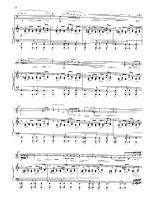
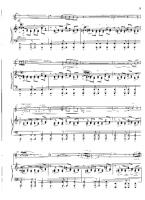
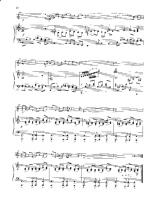
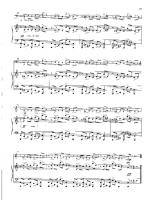
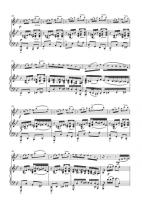
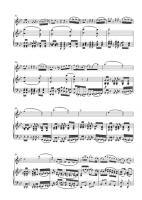
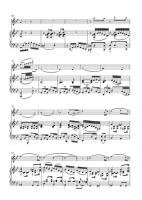
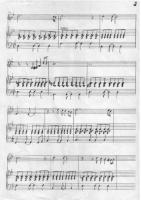
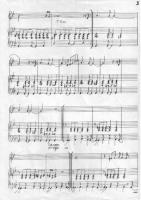
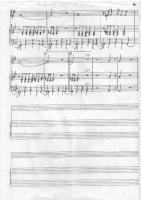
Astor Piazzolla - Ave Maria Piano Sheet Music
Advertisement
Advertisement

Please click on the button to get the sheet music
You can share this sheet on your Twitter or Facebook account to let your friends know too!
Comments about Ave Maria by Astor Piazzolla
There are no comments yet
Name (required)
Email (required, will not be published)
Email (required, will not be published)
Total 0/1000 chars
Other music sheets of Astor Piazzolla
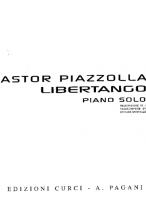
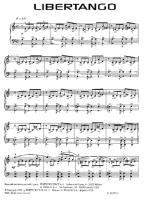
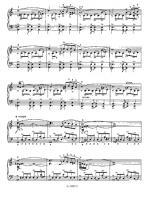
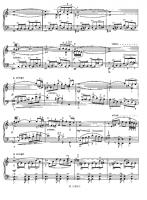
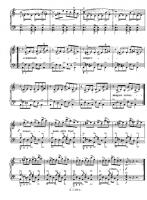
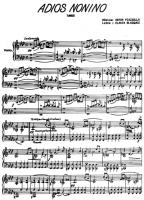
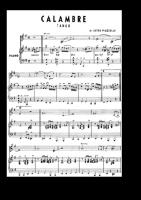











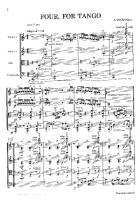
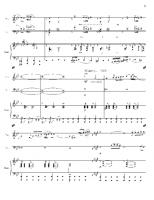
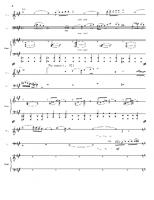





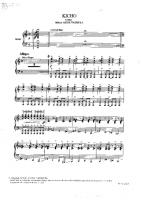
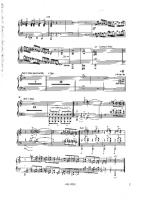





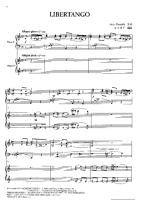
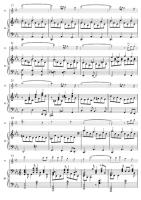
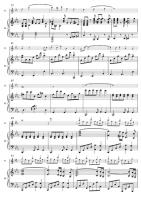
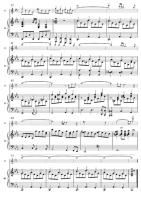
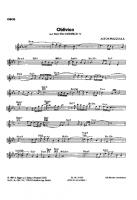
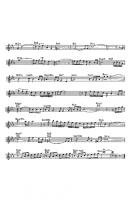
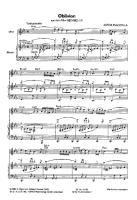
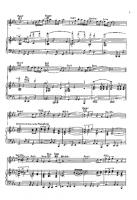
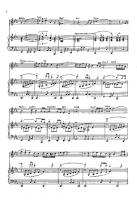
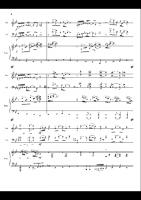
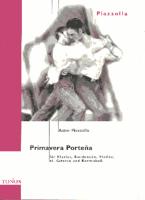
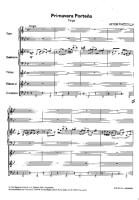
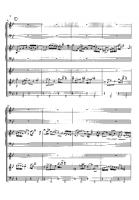
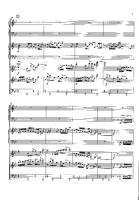
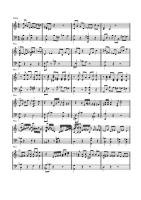
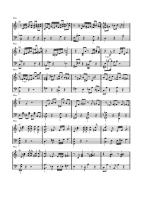


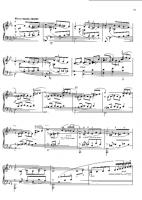
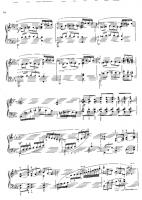




Piano
71
pages
1.28MB - 2083d ago



...
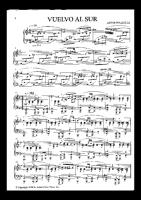
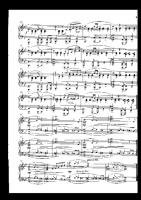
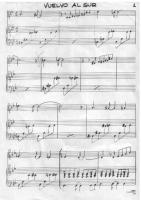
Search for Free Sheet Music
You can make a search through the entire collection of sheets.
You can make a search through the entire collection of sheets.
Latest Artists
Bridget Jones' Diary
× 1
S. Y. Ramos × 1
Jack Johnson × 1
Patrick Doyle × 1
Zinnia Lim × 1
Sergei Rachmaninoff × 1
Kanon Wakeshima × 1
Lili Boulanger × 1
Scott Joplin × 2
No Doubt × 1
Carl Maria von Weber × 1
Edvard Grieg × 3
Ragtime × 1
Dragon Ball × 1
Van Halen × 1
Richard Rodgers × 2
Georges Liferman × 1
Asher Book × 1
Jazz Standard × 1
Nicola matteis × 1
Chopin × 7
Heino Gaze × 1
Binx × 1
Alain Lefèvre × 1
Thirteen Senses × 1
New Japanesse Phillarmonic ... × 1
Billie Holiday × 1
Stephen Schwartz × 1
michel berger × 1
Caetano Veloso × 2
Youichi Shimamura × 1
Burt Baccarach × 1
Nicolae Moldoveanu × 1
Suikoden IV × 1
Final Fantasy × 1
Igor Stravinsky × 1
William Baines × 1
Rumbling Hearts × 1
Oscar Peterson × 1
The Saint × 1
Robert Browne Hall × 1
Toshiro Masuda × 1
Charles-Valentin Alkan × 1
Norah Jones × 1
Akira Senju × 1
Atie Bernet × 1
Girl's Day × 1
Final Fantasy IX × 2
Victor Lavallen × 1
Thomas Lupo × 1
S. Y. Ramos × 1
Jack Johnson × 1
Patrick Doyle × 1
Zinnia Lim × 1
Sergei Rachmaninoff × 1
Kanon Wakeshima × 1
Lili Boulanger × 1
Scott Joplin × 2
No Doubt × 1
Carl Maria von Weber × 1
Edvard Grieg × 3
Ragtime × 1
Dragon Ball × 1
Van Halen × 1
Richard Rodgers × 2
Georges Liferman × 1
Asher Book × 1
Jazz Standard × 1
Nicola matteis × 1
Chopin × 7
Heino Gaze × 1
Binx × 1
Alain Lefèvre × 1
Thirteen Senses × 1
New Japanesse Phillarmonic ... × 1
Billie Holiday × 1
Stephen Schwartz × 1
michel berger × 1
Caetano Veloso × 2
Youichi Shimamura × 1
Burt Baccarach × 1
Nicolae Moldoveanu × 1
Suikoden IV × 1
Final Fantasy × 1
Igor Stravinsky × 1
William Baines × 1
Rumbling Hearts × 1
Oscar Peterson × 1
The Saint × 1
Robert Browne Hall × 1
Toshiro Masuda × 1
Charles-Valentin Alkan × 1
Norah Jones × 1
Akira Senju × 1
Atie Bernet × 1
Girl's Day × 1
Final Fantasy IX × 2
Victor Lavallen × 1
Thomas Lupo × 1