
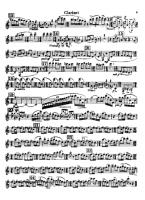
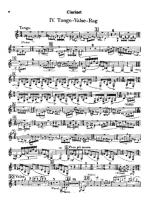
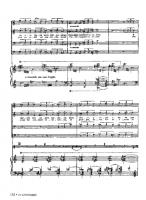
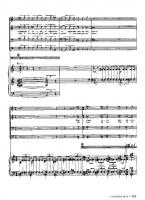
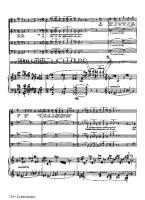
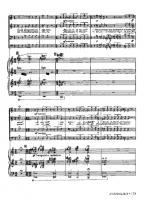
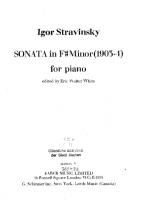
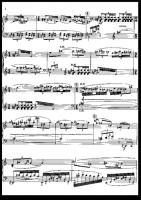
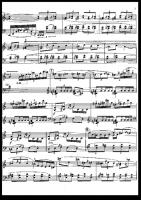
Igor Stravinsky Sheet Music
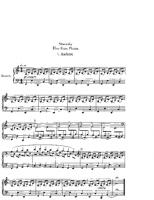
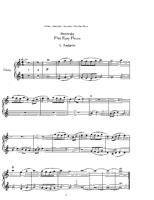
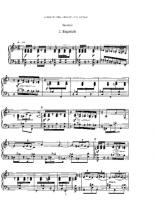
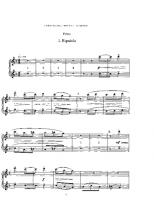
Igor Fyodorovich Stravinsky (17 June 1882 – 6 April 1971) was a Russian-born, naturalised French, later naturalised American composer, pianist, and conductor.
He is widely acknowledged as one of the most important and influential composers of 20th century music. He was a quintessentially cosmopolitan Russian who was named by Time magazine as one of the 100 most influential people of the century. He became a naturalised French citizen in 1934 and a naturalized US citizen in 1945. In addition to the recognition he received for his compositions, he also achieved fame as a pianist and a conductor, often at the premieres of his works.
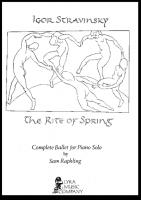
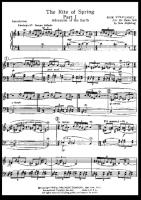
Stravinsky's compositional career was notable for its stylistic diversity. He first achieved international fame with three ballets commissioned by the impresario Sergei Diaghilev and performed by Diaghilev's Ballets Russes (Russian Ballets): The Firebird (1910), Petrushka (1911/1947), and The Rite of Spring (1913). The Rite, whose premiere provoked a riot, transformed the way in which subsequent composers thought about rhythmic structure, and was largely responsible for Stravinsky's enduring reputation as a musical revolutionary, pushing the boundaries of musical design.
After this first Russian phase Stravinsky turned to neoclassicism in the 1920s. The works from this period tended to make use of traditional musical forms (concerto grosso, fugue, symphony), frequently concealed a vein of intense emotion beneath a surface appearance of detachment or austerity, and often paid tribute to the music of earlier masters, for example J.S. Bach and Tchaikovsky.
In the 1950s he adopted serial procedures, using the new techniques over his last twenty years. Stravinsky's compositions of this period share traits with examples of his earlier output: rhythmic energy, the construction of extended melodic ideas out of a few two- or three-note cells, and clarity of form, of instrumentation, and of utterance.
He also published a number of books throughout his career, almost always with the aid of a collaborator, sometimes uncredited. In his 1936 autobiography, Chronicles of My Life, written with the help of Walter Nouvel, Stravinsky included his well-known statement that "music is, by its very nature, essentially powerless to express anything at all." With Alexis Roland-Manuel and Pierre Souvtchinsky he wrote his 1939–40 Harvard University Charles Eliot Norton Lectures, which were delivered in French and later collected under the title Poétique musicale in 1942 (translated in 1947 as Poetics of Music). Several interviews in which the composer spoke to Robert Craft were published as Conversations with Igor Stravinsky. They collaborated on five further volumes over the following decade.
He is widely acknowledged as one of the most important and influential composers of 20th century music. He was a quintessentially cosmopolitan Russian who was named by Time magazine as one of the 100 most influential people of the century. He became a naturalised French citizen in 1934 and a naturalized US citizen in 1945. In addition to the recognition he received for his compositions, he also achieved fame as a pianist and a conductor, often at the premieres of his works.
Stravinsky's compositional career was notable for its stylistic diversity. He first achieved international fame with three ballets commissioned by the impresario Sergei Diaghilev and performed by Diaghilev's Ballets Russes (Russian Ballets): The Firebird (1910), Petrushka (1911/1947), and The Rite of Spring (1913). The Rite, whose premiere provoked a riot, transformed the way in which subsequent composers thought about rhythmic structure, and was largely responsible for Stravinsky's enduring reputation as a musical revolutionary, pushing the boundaries of musical design.
After this first Russian phase Stravinsky turned to neoclassicism in the 1920s. The works from this period tended to make use of traditional musical forms (concerto grosso, fugue, symphony), frequently concealed a vein of intense emotion beneath a surface appearance of detachment or austerity, and often paid tribute to the music of earlier masters, for example J.S. Bach and Tchaikovsky.
In the 1950s he adopted serial procedures, using the new techniques over his last twenty years. Stravinsky's compositions of this period share traits with examples of his earlier output: rhythmic energy, the construction of extended melodic ideas out of a few two- or three-note cells, and clarity of form, of instrumentation, and of utterance.
He also published a number of books throughout his career, almost always with the aid of a collaborator, sometimes uncredited. In his 1936 autobiography, Chronicles of My Life, written with the help of Walter Nouvel, Stravinsky included his well-known statement that "music is, by its very nature, essentially powerless to express anything at all." With Alexis Roland-Manuel and Pierre Souvtchinsky he wrote his 1939–40 Harvard University Charles Eliot Norton Lectures, which were delivered in French and later collected under the title Poétique musicale in 1942 (translated in 1947 as Poetics of Music). Several interviews in which the composer spoke to Robert Craft were published as Conversations with Igor Stravinsky. They collaborated on five further volumes over the following decade.
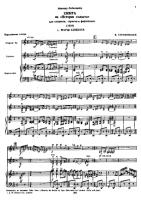
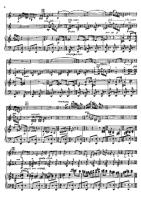
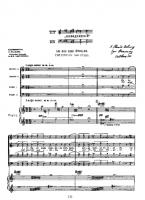


Search for Free Sheet Music
You can make a search through the entire collection of sheets.
You can make a search through the entire collection of sheets.
Latest Artists
Enya
× 3
Bridget Jones' Diary × 1
Depeche Mode × 2
Galt MacDermot × 3
Felix Vela × 1
Patrick Doyle × 1
Avril Lavigne × 1
Ernesto Nazareth × 2
Carl Philipp Emanuel Bach × 1
Mozart × 8
Duran Duran × 1
Emilie Autumn × 1
Nhac Viet × 1
Girl's Day × 1
Sufjan Stevens × 1
Chris Tomlin × 1
Negramaro × 1
C. Leforestier × 1
Z. RANDALL STROOPE × 1
Alexandre Desplat × 1
Halfdan Kjerulf × 1
Bleach × 1
Edward Elgar × 1
Julius Zarebski × 1
Joan Osborne × 1
Aris Carastathis × 1
Cat Stevens × 3
Nicolae Moldoveanu × 1
Vivaldi × 1
Animenz × 1
John Kander × 2
John Bucchino × 1
Marc-André Hamelin × 1
Sister Act × 1
Sting × 2
The Simpsons × 1
Gerardo Di Giusto × 1
Alex North × 1
Isaac Shepard × 1
Doc Pomus × 1
George Bennard × 1
Michael Giacchino × 1
Elisabeth Jelinek × 1
Charlotte Elliott × 1
Super Mario × 1
Pandora Hearts × 1
Les Miserables × 1
Benjamin Godard × 1
Jim Brickman × 1
Eva Cassidy × 1
Bridget Jones' Diary × 1
Depeche Mode × 2
Galt MacDermot × 3
Felix Vela × 1
Patrick Doyle × 1
Avril Lavigne × 1
Ernesto Nazareth × 2
Carl Philipp Emanuel Bach × 1
Mozart × 8
Duran Duran × 1
Emilie Autumn × 1
Nhac Viet × 1
Girl's Day × 1
Sufjan Stevens × 1
Chris Tomlin × 1
Negramaro × 1
C. Leforestier × 1
Z. RANDALL STROOPE × 1
Alexandre Desplat × 1
Halfdan Kjerulf × 1
Bleach × 1
Edward Elgar × 1
Julius Zarebski × 1
Joan Osborne × 1
Aris Carastathis × 1
Cat Stevens × 3
Nicolae Moldoveanu × 1
Vivaldi × 1
Animenz × 1
John Kander × 2
John Bucchino × 1
Marc-André Hamelin × 1
Sister Act × 1
Sting × 2
The Simpsons × 1
Gerardo Di Giusto × 1
Alex North × 1
Isaac Shepard × 1
Doc Pomus × 1
George Bennard × 1
Michael Giacchino × 1
Elisabeth Jelinek × 1
Charlotte Elliott × 1
Super Mario × 1
Pandora Hearts × 1
Les Miserables × 1
Benjamin Godard × 1
Jim Brickman × 1
Eva Cassidy × 1