
Astor Piazzolla Sheet Music
Ástor Pantaleón Piazzolla (March 11, 1921 – July 4, 1992) was an Argentine tango composer and bandoneón player. His oeuvre revolutionized the traditional tango into a new style termed nuevo tango, incorporating elements from jazz and classical music. An excellent bandoneonist, he regularly performed his own compositions with different ensembles.
Piazzolla's nuevo tango was distinct from the traditional tango in its incorporation of elements of jazz, its use of extended harmonies and dissonance, its use of counterpoint, and its ventures into extended compositional forms. As Argentine psychoanalyst Carlos Kuri has pointed out, Piazzolla's fusion of tango with this wide range of other recognizable Western musical elements was so successful that it produced a new individual style transcending these influences. It is precisely this success, and individuality, that makes it hard to pin down where particular influences reside in his compositions, but some aspects are clear. The use of the passacaglia technique of a circulating bass line and harmonic sequence, invented and much used in 17th and 18th century baroque music but also central to the idea of jazz "changes", predominates in most of Piazzolla's mature compositions. Another clear reference to the baroque is the often complex and virtuosic counterpoint that sometimes follows strict fugal behavior but more often simply allows each performer in the group to assert his voice. A further technique that emphasises this sense of democracy and freedom among the musicians is improvisation that is borrowed from jazz in concept, but in practice involves a different vocabulary of scales and rhythms that stay within the parameters of the established tango sound-world. Pablo Ziegler has been particularly responsible for developing this aspect of the style both within Piazzolla's groups and since the composer's death.
Piazzolla's nuevo tango was distinct from the traditional tango in its incorporation of elements of jazz, its use of extended harmonies and dissonance, its use of counterpoint, and its ventures into extended compositional forms. As Argentine psychoanalyst Carlos Kuri has pointed out, Piazzolla's fusion of tango with this wide range of other recognizable Western musical elements was so successful that it produced a new individual style transcending these influences. It is precisely this success, and individuality, that makes it hard to pin down where particular influences reside in his compositions, but some aspects are clear. The use of the passacaglia technique of a circulating bass line and harmonic sequence, invented and much used in 17th and 18th century baroque music but also central to the idea of jazz "changes", predominates in most of Piazzolla's mature compositions. Another clear reference to the baroque is the often complex and virtuosic counterpoint that sometimes follows strict fugal behavior but more often simply allows each performer in the group to assert his voice. A further technique that emphasises this sense of democracy and freedom among the musicians is improvisation that is borrowed from jazz in concept, but in practice involves a different vocabulary of scales and rhythms that stay within the parameters of the established tango sound-world. Pablo Ziegler has been particularly responsible for developing this aspect of the style both within Piazzolla's groups and since the composer's death.
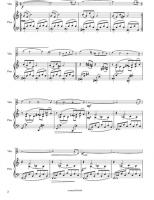
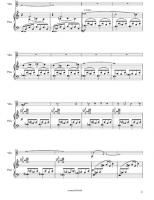
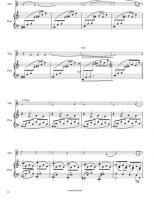
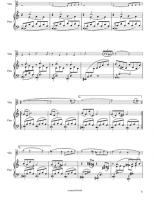
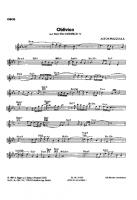
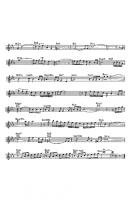
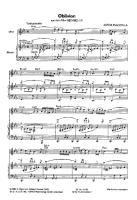
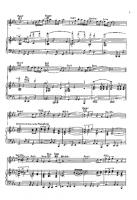
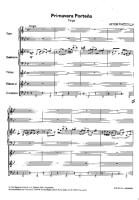
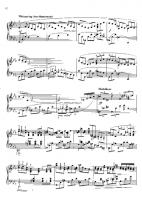
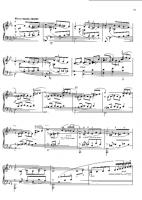
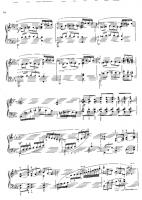
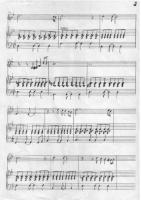
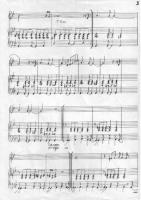
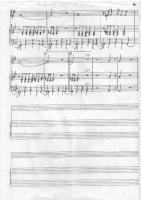
Astor Piazzolla - Tango Preparense Piano Sheet Music
Advertisement
Advertisement

Please click on the button to get the sheet music
You can share this sheet on your Twitter or Facebook account to let your friends know too!
Comments about Tango Preparense by Astor Piazzolla
There are no comments yet
Name (required)
Email (required, will not be published)
Email (required, will not be published)
Total 0/1000 chars
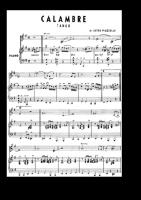
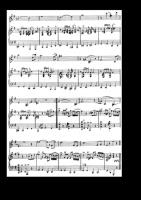
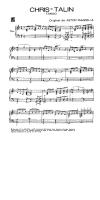
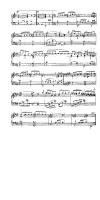
Other music sheets of Astor Piazzolla
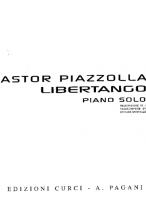
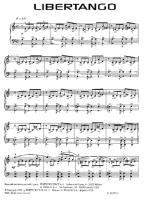
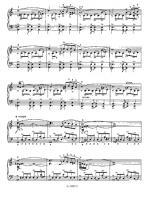
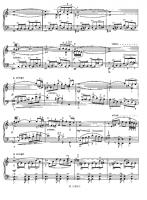
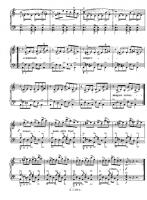
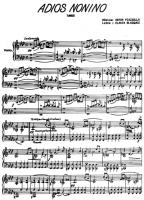
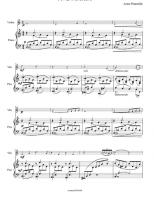











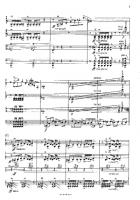
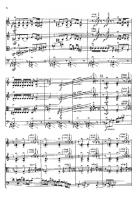
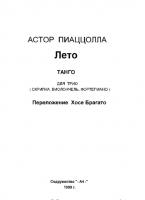
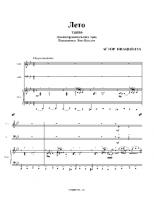










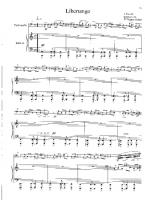
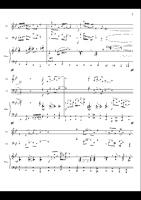
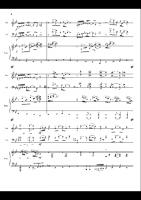
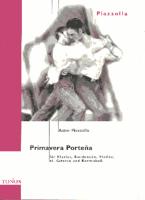






Piano
71
pages
1.28MB - 2073d ago



...
Search for Free Sheet Music
You can make a search through the entire collection of sheets.
You can make a search through the entire collection of sheets.
Latest Artists
Trinh Cong Son
× 1
Samual A. Ward × 1
The Divine Comedy × 1
Lilian Saba × 1
John Cage × 2
Caitie Searcy × 1
Gerardo Matos Rodríguez × 1
Nicolae Moldoveanu × 1
Prestonwood Choir × 1
Arthur Hamilton × 1
Jazz for Seniors × 1
Arnold Wholer × 1
Schubert × 1
Heitor Villa-Lobos × 1
Van Halen × 1
Christopher Beatty × 1
Rent (Musical) × 1
James King × 1
Massenet × 2
Albert Hammond × 1
Henryk Wieniawski × 1
Marty Sampson × 1
Leon Russell × 1
Sergio Soares × 1
Henri Tomasi × 1
Show Luo × 1
Angel Villoldo × 1
Björk × 1
Peter Cetera × 1
Darius Milhaud × 1
Nino Rota × 2
Aris Carastathis × 1
Yuki Kajiura × 2
Miss Saigon × 1
Cole Porter × 3
Antonio Carlos Jobim × 1
Johann Pachelbel × 3
Bakemonogatari × 1
Walt Harrah × 1
Ryan Kisor × 1
Cantigas de S. Maria × 1
Christina Aguilera × 2
Tchaikovsky × 2
Secondhand Serenade × 1
Des'ree × 1
Corrinne May × 1
Bryan Adams × 1
Count Basie × 1
Gary Jules × 2
Sergei Rachmaninoff × 1
Samual A. Ward × 1
The Divine Comedy × 1
Lilian Saba × 1
John Cage × 2
Caitie Searcy × 1
Gerardo Matos Rodríguez × 1
Nicolae Moldoveanu × 1
Prestonwood Choir × 1
Arthur Hamilton × 1
Jazz for Seniors × 1
Arnold Wholer × 1
Schubert × 1
Heitor Villa-Lobos × 1
Van Halen × 1
Christopher Beatty × 1
Rent (Musical) × 1
James King × 1
Massenet × 2
Albert Hammond × 1
Henryk Wieniawski × 1
Marty Sampson × 1
Leon Russell × 1
Sergio Soares × 1
Henri Tomasi × 1
Show Luo × 1
Angel Villoldo × 1
Björk × 1
Peter Cetera × 1
Darius Milhaud × 1
Nino Rota × 2
Aris Carastathis × 1
Yuki Kajiura × 2
Miss Saigon × 1
Cole Porter × 3
Antonio Carlos Jobim × 1
Johann Pachelbel × 3
Bakemonogatari × 1
Walt Harrah × 1
Ryan Kisor × 1
Cantigas de S. Maria × 1
Christina Aguilera × 2
Tchaikovsky × 2
Secondhand Serenade × 1
Des'ree × 1
Corrinne May × 1
Bryan Adams × 1
Count Basie × 1
Gary Jules × 2
Sergei Rachmaninoff × 1