
Wagner Sheet Music
Wilhelm Richard Wagner (22 May 1813, Leipzig, Germany - 13 February 1883, Venice, Italy) was a German composer, conductor, theatre director and essayist, primarily known for his operas (or "music dramas", as they were later called). Unlike most other great opera composers, Wagner wrote both the scenario and libretto for his works.
Wagner's compositions, particularly those of his later period, are notable for contrapuntal texture, rich chromaticism, harmonies and orchestration, and elaborate use of leitmotifs: musical themes associated with particular characters, locales or plot elements. Wagner pioneered advances in musical language, such as extreme chromaticism and quickly shifting tonal centres, which greatly influenced the development of European classical music.
He transformed musical thought through his idea of Gesamtkunstwerk ("total artwork"), the synthesis of all the poetic, visual, musical and dramatic arts, epitomized by his monumental four-opera cycle Der Ring des Nibelungen (1876). To try to stage these works as he imagined them, Wagner built his own opera house.
Wagner's musical style is often considered the epitome of classical music's Romantic period, due to its unprecedented exploration of emotional expression. He introduced new ideas in harmony and musical form, including extreme chromaticism. In Tristan und Isolde, he explored the limits of the traditional tonal system that gave keys and chords their identity, pointing the way to atonality in the 20th century. Some music historians date the beginning of modern classical music to the first notes of Tristan, the so-called Tristan chord.
Wagner's compositions, particularly those of his later period, are notable for contrapuntal texture, rich chromaticism, harmonies and orchestration, and elaborate use of leitmotifs: musical themes associated with particular characters, locales or plot elements. Wagner pioneered advances in musical language, such as extreme chromaticism and quickly shifting tonal centres, which greatly influenced the development of European classical music.
He transformed musical thought through his idea of Gesamtkunstwerk ("total artwork"), the synthesis of all the poetic, visual, musical and dramatic arts, epitomized by his monumental four-opera cycle Der Ring des Nibelungen (1876). To try to stage these works as he imagined them, Wagner built his own opera house.
Wagner's musical style is often considered the epitome of classical music's Romantic period, due to its unprecedented exploration of emotional expression. He introduced new ideas in harmony and musical form, including extreme chromaticism. In Tristan und Isolde, he explored the limits of the traditional tonal system that gave keys and chords their identity, pointing the way to atonality in the 20th century. Some music historians date the beginning of modern classical music to the first notes of Tristan, the so-called Tristan chord.
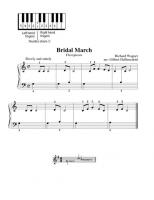
Wagner - Bridal March Piano Sheet Music
Advertisement
Advertisement

Please click on the button to get the sheet music
You can share this sheet on your Twitter or Facebook account to let your friends know too!
Comments about Bridal March by Wagner
There are no comments yet
Name (required)
Email (required, will not be published)
Email (required, will not be published)
Total 0/1000 chars
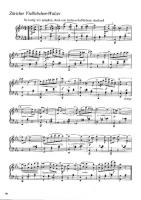
Other music sheets of Wagner
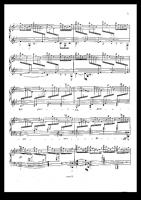
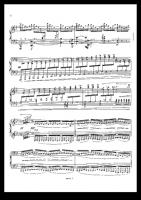
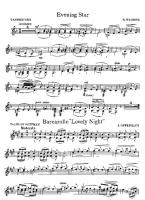
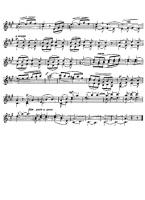
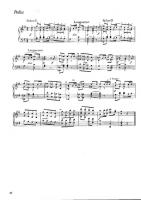

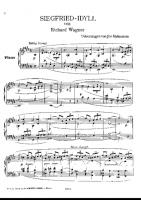
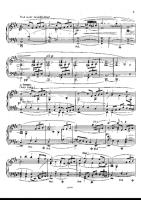
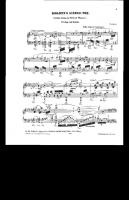
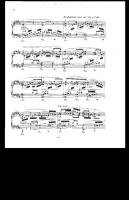
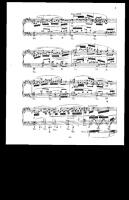
Search for Free Sheet Music
You can make a search through the entire collection of sheets.
You can make a search through the entire collection of sheets.
Latest Artists
Serú Girán
× 1
Fariborz Lachini × 2
Paolo Agostini × 1
Sammy Cahn × 1
Phil Collins × 1
KARA × 1
Eric Clapton × 1
Babystars × 1
Igor Stravinsky × 1
Edvard Grieg × 3
Nat Adderly × 1
Ne-Yo × 2
Ben E. King × 1
Hangad × 2
Ragtime × 1
Hermeto Pascoal × 1
Richard Wagner × 3
Ludovico Einaudi × 1
Wild Cherry × 1
Final Fantasy × 1
Fito Paez × 1
Rimsky-Korsakov × 3
Bat Boy × 1
C. Leforestier × 1
Bart Millard × 1
Guilherme Schroeter × 1
Sister Act × 1
Romantic pop piano 3 × 1
The Cure × 1
Amy Lee × 1
John Bogenshutz × 1
Maria Grever × 1
Haydn × 1
Antonio Carlos Jobim × 2
Patsy Cline × 1
Alan Jackson × 1
Astor Piazolla × 2
Joseph Kosma × 1
ABBA × 2
Ellen & Joost Laninga × 1
Paul Simon × 1
Jim Brickman × 1
Luiz Henrique Redner × 1
Romeo & Juliet × 1
Edges × 1
Christian Sinding × 1
Coldplay × 6
Ennio Morricone × 1
Vanessa Mae × 1
Bruce Baker × 1
Fariborz Lachini × 2
Paolo Agostini × 1
Sammy Cahn × 1
Phil Collins × 1
KARA × 1
Eric Clapton × 1
Babystars × 1
Igor Stravinsky × 1
Edvard Grieg × 3
Nat Adderly × 1
Ne-Yo × 2
Ben E. King × 1
Hangad × 2
Ragtime × 1
Hermeto Pascoal × 1
Richard Wagner × 3
Ludovico Einaudi × 1
Wild Cherry × 1
Final Fantasy × 1
Fito Paez × 1
Rimsky-Korsakov × 3
Bat Boy × 1
C. Leforestier × 1
Bart Millard × 1
Guilherme Schroeter × 1
Sister Act × 1
Romantic pop piano 3 × 1
The Cure × 1
Amy Lee × 1
John Bogenshutz × 1
Maria Grever × 1
Haydn × 1
Antonio Carlos Jobim × 2
Patsy Cline × 1
Alan Jackson × 1
Astor Piazolla × 2
Joseph Kosma × 1
ABBA × 2
Ellen & Joost Laninga × 1
Paul Simon × 1
Jim Brickman × 1
Luiz Henrique Redner × 1
Romeo & Juliet × 1
Edges × 1
Christian Sinding × 1
Coldplay × 6
Ennio Morricone × 1
Vanessa Mae × 1
Bruce Baker × 1