
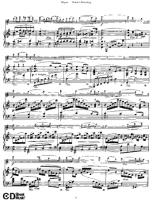
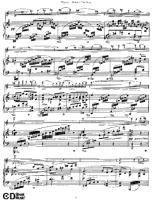
Richard Wagner Sheet Music
Wilhelm Richard Wagner (pronounced /ˈvɑːɡnər/, German pronunciation: ; 22 May 1813 – 13 February 1883) was a German composer, conductor, theatre director and essayist, primarily known for his operas (or "music dramas", as they were later called). Wagner's compositions, particularly those of his later period, are notable for their complex texture, rich harmonies and orchestration, and the elaborate use of leitmotifs: musical themes associated with individual characters, places, ideas or plot elements. Unlike most other opera composers, Wagner wrote both the music and libretto for every one of his stage works. Famous extracts from his operas include the "Ride of the Valkyries" and the Bridal Chorus from Lohengrin, popularly known as the wedding march "Here Comes the Bride".
Initially establishing his reputation as a composer of works such as The Flying Dutchman and Tannhäuser which were in the romantic traditions of Weber and Meyerbeer, Wagner transformed operatic thought through his concept of the Gesamtkunstwerk ("total work of art"). This would achieve the synthesis of all the poetic, visual, musical and dramatic arts, and was announced in a series of essays between 1849 and 1852. Wagner realised this concept most fully in the first half of the monumental four-opera cycle Der Ring des Nibelungen. However, his thoughts on the relative importance of music and drama were to change again and he reintroduced some traditional operatic forms into his last few stage works including Die Meistersinger von Nürnberg.
Wagner pioneered advances in musical language, such as extreme chromaticism and quickly shifting tonal centres, which greatly influenced the development of European classical music. His Tristan und Isolde is sometimes described as marking the start of modern music. Wagner's influence spread beyond music into philosophy, literature, the visual arts and theatre. He had his own opera house built, the Bayreuth Festspielhaus, which contained many novel design features. It was here that the Ring and Parsifal received their premieres and where his most important stage works continue to be performed today in an annual festival run by his descendants. Wagner's views on conducting were also highly influential. His extensive writings on music, drama and politics have all attracted extensive comment; not least for their frequently antisemitic content.
Wagner achieved all of this despite a life characterised, until his last decades, by political exile, turbulent love affairs, poverty and repeated flight from his creditors. His pugnacious personality and often outspoken views on music, politics and society made him a controversial figure during his life. He has remained one to this day. The impact of his his ideas can be traced in many of the arts throughout the twentieth century.
Initially establishing his reputation as a composer of works such as The Flying Dutchman and Tannhäuser which were in the romantic traditions of Weber and Meyerbeer, Wagner transformed operatic thought through his concept of the Gesamtkunstwerk ("total work of art"). This would achieve the synthesis of all the poetic, visual, musical and dramatic arts, and was announced in a series of essays between 1849 and 1852. Wagner realised this concept most fully in the first half of the monumental four-opera cycle Der Ring des Nibelungen. However, his thoughts on the relative importance of music and drama were to change again and he reintroduced some traditional operatic forms into his last few stage works including Die Meistersinger von Nürnberg.
Wagner pioneered advances in musical language, such as extreme chromaticism and quickly shifting tonal centres, which greatly influenced the development of European classical music. His Tristan und Isolde is sometimes described as marking the start of modern music. Wagner's influence spread beyond music into philosophy, literature, the visual arts and theatre. He had his own opera house built, the Bayreuth Festspielhaus, which contained many novel design features. It was here that the Ring and Parsifal received their premieres and where his most important stage works continue to be performed today in an annual festival run by his descendants. Wagner's views on conducting were also highly influential. His extensive writings on music, drama and politics have all attracted extensive comment; not least for their frequently antisemitic content.
Wagner achieved all of this despite a life characterised, until his last decades, by political exile, turbulent love affairs, poverty and repeated flight from his creditors. His pugnacious personality and often outspoken views on music, politics and society made him a controversial figure during his life. He has remained one to this day. The impact of his his ideas can be traced in many of the arts throughout the twentieth century.






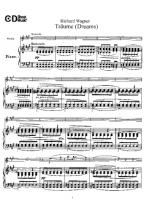
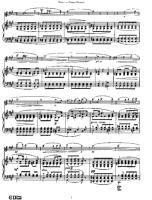
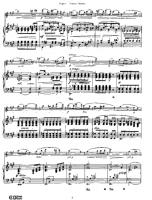
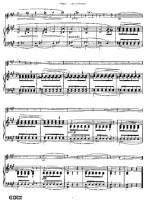
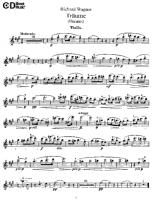
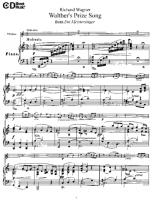
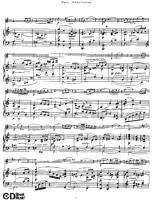
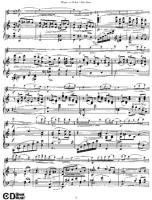


Search for Free Sheet Music
You can make a search through the entire collection of sheets.
You can make a search through the entire collection of sheets.
Latest Artists
Arcangelo Corelli
× 1
Frida Situmorang × 1
Mussorgsky × 2
Kirk Franklin × 1
Cole Porter × 2
Danny Elfman × 1
Tom Petty × 1
Helene Segara × 1
Nobuo Uematsu × 2
The Gathering × 1
James A. Goins × 1
Best Chrismas Songs × 1
Paul McCartney × 1
Penny Will × 1
Show Luo × 1
Rihanna × 1
Silent Hill 2 × 1
Consuelo Velazquez × 1
Jeff Nevin × 1
Robert Schumann × 5
The Cure × 1
William Baines × 1
Final Fantasy IX × 3
Aitana Kasulin × 1
Andrew Johnson × 1
MercyMe × 1
Tony Monaco × 1
Zapp (Band) × 1
fats waller × 2
niccolò paganini × 1
Carter Burwell × 1
Modest Mussorgsky × 1
Mozart × 9
Guilherme Schroeter × 1
Handel × 2
Khac Vie × 1
Billie Holiday × 1
Sherbet × 1
Samual A. Ward × 1
Ellen & Joost Laninga × 1
Paul Rodgers × 1
Burgmuller × 1
Anton Webern × 1
Stevie Wonder × 3
Scott Wesley × 1
Augustana × 1
Stevie Nicks × 1
Carole King × 2
Utada Hikaru × 2
Christian Sinding × 1
Frida Situmorang × 1
Mussorgsky × 2
Kirk Franklin × 1
Cole Porter × 2
Danny Elfman × 1
Tom Petty × 1
Helene Segara × 1
Nobuo Uematsu × 2
The Gathering × 1
James A. Goins × 1
Best Chrismas Songs × 1
Paul McCartney × 1
Penny Will × 1
Show Luo × 1
Rihanna × 1
Silent Hill 2 × 1
Consuelo Velazquez × 1
Jeff Nevin × 1
Robert Schumann × 5
The Cure × 1
William Baines × 1
Final Fantasy IX × 3
Aitana Kasulin × 1
Andrew Johnson × 1
MercyMe × 1
Tony Monaco × 1
Zapp (Band) × 1
fats waller × 2
niccolò paganini × 1
Carter Burwell × 1
Modest Mussorgsky × 1
Mozart × 9
Guilherme Schroeter × 1
Handel × 2
Khac Vie × 1
Billie Holiday × 1
Sherbet × 1
Samual A. Ward × 1
Ellen & Joost Laninga × 1
Paul Rodgers × 1
Burgmuller × 1
Anton Webern × 1
Stevie Wonder × 3
Scott Wesley × 1
Augustana × 1
Stevie Nicks × 1
Carole King × 2
Utada Hikaru × 2
Christian Sinding × 1