
Schubert Sheet Music
Franz Peter Schubert (January 31, 1797 – November 19, 1828) was an Austrian composer. He wrote some 600 lieder, nine symphonies (including the famous "Unfinished Symphony"), liturgical music, operas, and a large body of chamber and solo piano music. He is particularly noted for his original melodic and harmonic writing.
While Schubert had a close circle of friends and associates who admired his work (including his teacher Antonio Salieri, and the prominent singer Johann Michael Vogl), wider appreciation of his music during his lifetime was limited at best. He was never able to secure adequate permanent employment, and for most of his career he relied on the support of friends and family. Interest in Schubert's work increased dramatically in the decades following his death and he is now widely considered to be one of the greatest composers in the Western tradition.
While he was clearly influenced by the Classical sonata forms of Beethoven and Mozart (his early works, among them notably the 5th Symphony, are particularly Mozartean), his formal structures and his developments tend to give the impression more of melodic development than of harmonic drama. This combination of Classical form and long-breathed Romantic melody sometimes lends them a discursive style: his 9th Symphony was described by Robert Schumann as running to "heavenly lengths". His harmonic innovations include movements in which the first section ends in the key of the subdominant rather than the dominant (as in the last movement of the Trout Quintet). Schubert's practice here was a forerunner of the common Romantic technique of relaxing, rather than raising, tension in the middle of a movement, with final resolution postponed to the very end.
While Schubert had a close circle of friends and associates who admired his work (including his teacher Antonio Salieri, and the prominent singer Johann Michael Vogl), wider appreciation of his music during his lifetime was limited at best. He was never able to secure adequate permanent employment, and for most of his career he relied on the support of friends and family. Interest in Schubert's work increased dramatically in the decades following his death and he is now widely considered to be one of the greatest composers in the Western tradition.
While he was clearly influenced by the Classical sonata forms of Beethoven and Mozart (his early works, among them notably the 5th Symphony, are particularly Mozartean), his formal structures and his developments tend to give the impression more of melodic development than of harmonic drama. This combination of Classical form and long-breathed Romantic melody sometimes lends them a discursive style: his 9th Symphony was described by Robert Schumann as running to "heavenly lengths". His harmonic innovations include movements in which the first section ends in the key of the subdominant rather than the dominant (as in the last movement of the Trout Quintet). Schubert's practice here was a forerunner of the common Romantic technique of relaxing, rather than raising, tension in the middle of a movement, with final resolution postponed to the very end.
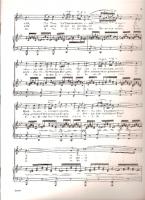
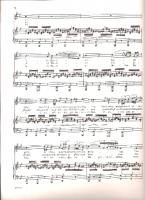
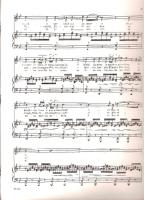
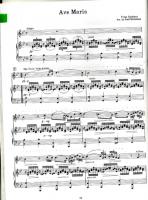
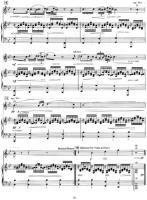
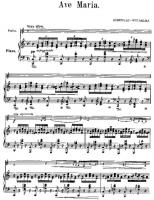
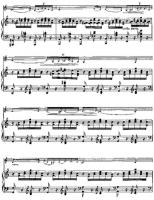
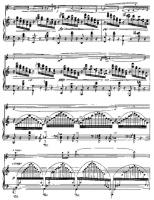
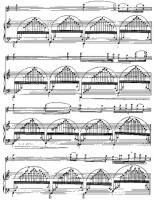
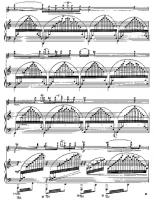
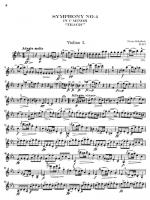
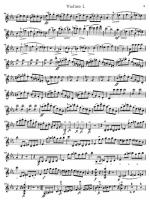
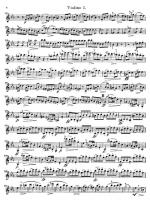
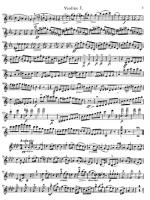
Schubert - Ave Maria String Quartet Violin II Violin Sheet Music
Advertisement
Advertisement

Please click on the button to get the sheet music
You can share this sheet on your Twitter or Facebook account to let your friends know too!
Comments about Ave Maria String Quartet Violin II by Schubert
There are no comments yet
Name (required)
Email (required, will not be published)
Email (required, will not be published)
Total 0/1000 chars
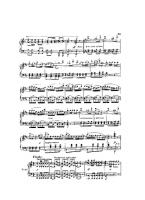
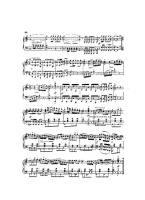
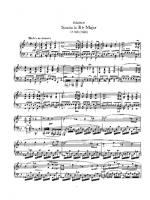
Other music sheets of Schubert
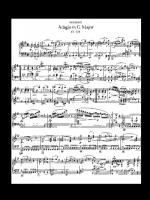


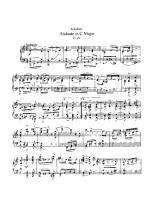
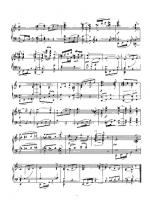
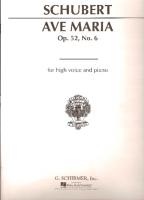
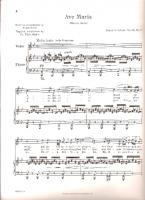
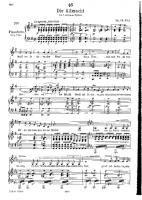
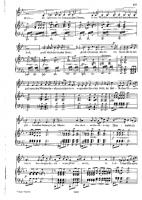
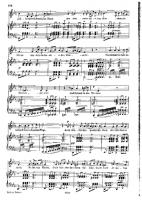
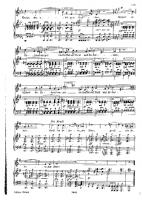




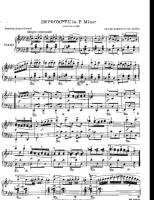
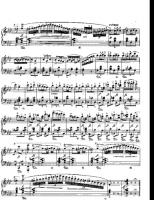

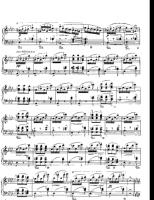
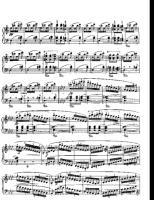
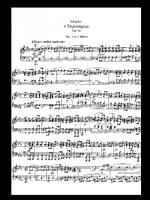




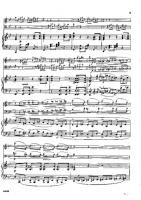
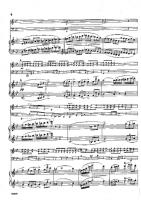
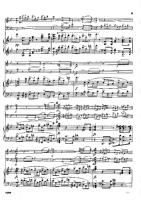
Search for Free Sheet Music
You can make a search through the entire collection of sheets.
You can make a search through the entire collection of sheets.
Latest Artists
Friedrich Wieck
× 1
The Kingston Trio × 1
Riddle chests × 1
Richard Rodgers × 2
Brahms × 3
Pink × 1
Wiliam Murphy × 1
Victor Sinadinoski × 1
John Scofield × 1
Bat Boy × 1
Anton Webern × 1
Z. RANDALL STROOPE × 1
Diana Krall × 1
The Dresden Dolls × 1
Asher Book × 1
Stuart Townend × 1
Bill conti × 1
Hermeto Pascoal × 1
Lynyrd Skynyrd × 1
Thirteen Senses × 1
Carter Burwell × 1
Morten Lauridsen × 1
Jamiroquai × 1
Philip Glass × 1
Jin Young Hong × 1
Javad Maroufi × 1
Johann Strauss × 2
Dominic Velasquez × 1
Bart Millard × 1
Count Basie × 1
M. Francisco, SJ × 1
The Corrs × 1
Jared Anderson × 1
Led Zeppelin × 1
Evanescence × 2
Olivia Newton-John × 1
Claude Bolling × 2
Giovanni Battista Pergolesi × 1
Hairspray × 2
Coalo Zamarano × 1
Paul Simon × 1
John F. Wade × 1
Kohei Tanaka × 1
Fredie Hubbart × 1
john powell × 1
Hellsing × 1
Bee Gees × 1
Little Shop of Horrors × 1
Gary Jules × 2
Ari Pulkkinen × 1
The Kingston Trio × 1
Riddle chests × 1
Richard Rodgers × 2
Brahms × 3
Pink × 1
Wiliam Murphy × 1
Victor Sinadinoski × 1
John Scofield × 1
Bat Boy × 1
Anton Webern × 1
Z. RANDALL STROOPE × 1
Diana Krall × 1
The Dresden Dolls × 1
Asher Book × 1
Stuart Townend × 1
Bill conti × 1
Hermeto Pascoal × 1
Lynyrd Skynyrd × 1
Thirteen Senses × 1
Carter Burwell × 1
Morten Lauridsen × 1
Jamiroquai × 1
Philip Glass × 1
Jin Young Hong × 1
Javad Maroufi × 1
Johann Strauss × 2
Dominic Velasquez × 1
Bart Millard × 1
Count Basie × 1
M. Francisco, SJ × 1
The Corrs × 1
Jared Anderson × 1
Led Zeppelin × 1
Evanescence × 2
Olivia Newton-John × 1
Claude Bolling × 2
Giovanni Battista Pergolesi × 1
Hairspray × 2
Coalo Zamarano × 1
Paul Simon × 1
John F. Wade × 1
Kohei Tanaka × 1
Fredie Hubbart × 1
john powell × 1
Hellsing × 1
Bee Gees × 1
Little Shop of Horrors × 1
Gary Jules × 2
Ari Pulkkinen × 1