
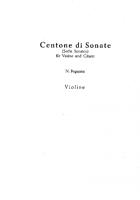
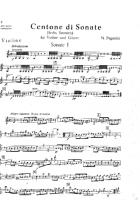
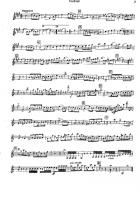
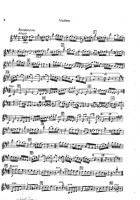
Paganini Sheet Music
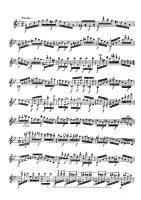
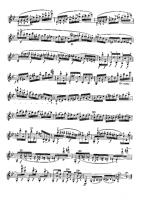
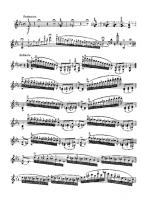
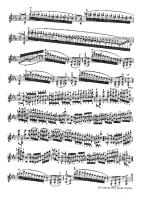
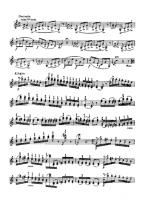
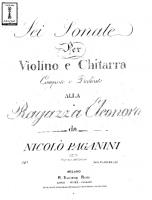
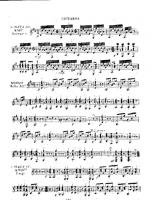
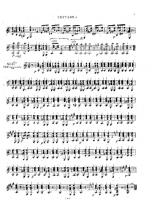
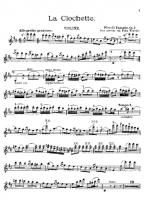
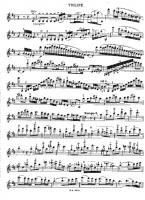
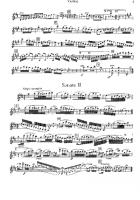
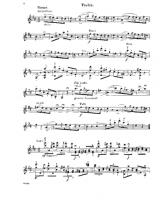
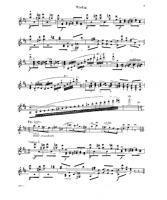
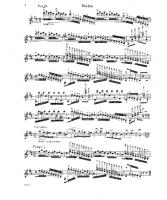
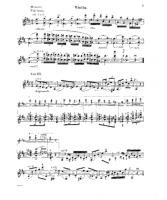
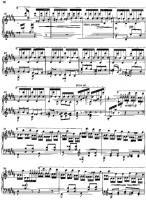
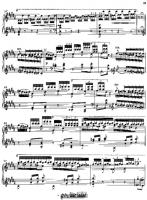
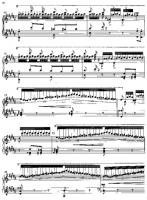
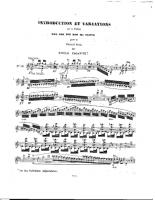
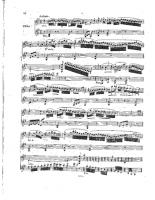
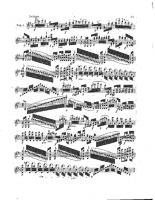
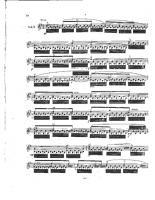
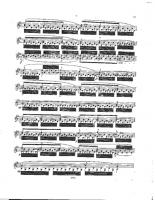
Niccolò Paganini (27 October 1782 – 27 May 1840) was an Italian violinist, violist, guitarist, and composer. He was one of the most celebrated violin virtuosi of his time, and left his mark as one of the pillars of modern violin technique. His caprice in A minor, Op. 1 No. 24 is among his best known of compositions, and serves as inspiration for many prominent artists.
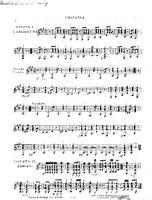
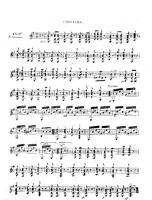
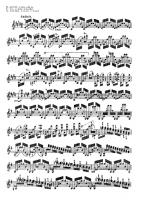
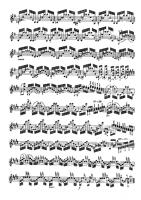
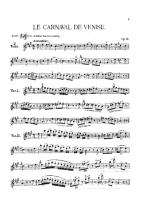
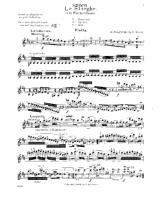
Paganini composed his own works to play exclusively in his concerts, all of which had profound influences on the evolution of violin techniques. His 24 Caprices were probably composed in the period between 1805 to 1809, while he was in the service of the Baciocchi court. Also during this period, he composed the majority of the solo pieces, duo-sonatas,trios and quartets for the guitar. These chamber works may have been inspired by the publication, in Lucca, of the guitar quintets of Boccherini. Many of his variations (and he has become the de facto master of this musical genre), including Le Streghe, The Carnival of Venice, and Nel cor più non mi sento, were composed, or at least first performed, before his European concert tour.
Playbill of Paganini's concert at the Covent Garden in 1832. Note that all solo pieces were of his composition, which was typical of all his concerts.
Generally speaking, Paganini's compositions were technically imaginative, and the timbre of the instrument was greatly expanded as a result of these works. Sounds of different musical instruments and animals were often imitated. One such composition was titled Il Fandango Spanolo (The Spanish Dance), which featured a series of humorous imitations of farm animals. Even more outrageous was a solo piece Duetto Amoroso, in which the sighs and groans of lovers were intimately depicted on the violin. Fortunately there survives a manuscript of the Duetto which has been recorded, while the existence of the Fandango is known only through concert posters.
However, his works were criticized for lacking characteristics of true polyphonism, as pointed out by Eugène Ysaÿe. Yehudi Menuhin, on the other hand, suggested that this might have been the result of his reliance on the guitar (in lieu of the piano) as an aid in composition. The orchestral parts for his concertos were often polite, unadventurous, and clearly supportive of the soloist. In this, his style is consistent with that of other Italian composers such as Paisiello, Rossini and Donizetti, who were influenced by the guitar-song milieu of Naples during this period.
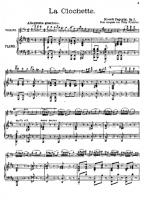
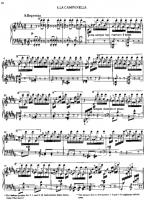
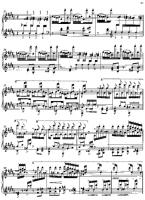
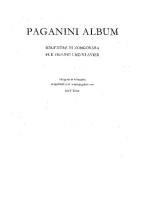
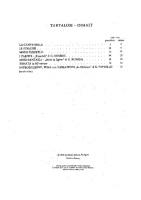
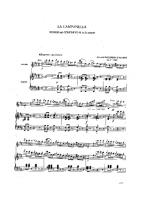
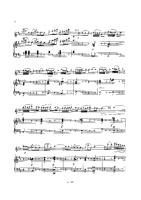
Paganini was also the inspiration of many prominent composers. Both "La Campanella" and the A minor caprice (Nr. 24) have been an object of interest for a number of composers. Franz Liszt, Johannes Brahms, Sergei Rachmaninoff, Boris Blacher, Andrew Lloyd Webber, George Rochberg and Witold Lutosławski, among others, wrote well-known variations on these themes.
Paganini composed his own works to play exclusively in his concerts, all of which had profound influences on the evolution of violin techniques. His 24 Caprices were probably composed in the period between 1805 to 1809, while he was in the service of the Baciocchi court. Also during this period, he composed the majority of the solo pieces, duo-sonatas,trios and quartets for the guitar. These chamber works may have been inspired by the publication, in Lucca, of the guitar quintets of Boccherini. Many of his variations (and he has become the de facto master of this musical genre), including Le Streghe, The Carnival of Venice, and Nel cor più non mi sento, were composed, or at least first performed, before his European concert tour.
Playbill of Paganini's concert at the Covent Garden in 1832. Note that all solo pieces were of his composition, which was typical of all his concerts.
Generally speaking, Paganini's compositions were technically imaginative, and the timbre of the instrument was greatly expanded as a result of these works. Sounds of different musical instruments and animals were often imitated. One such composition was titled Il Fandango Spanolo (The Spanish Dance), which featured a series of humorous imitations of farm animals. Even more outrageous was a solo piece Duetto Amoroso, in which the sighs and groans of lovers were intimately depicted on the violin. Fortunately there survives a manuscript of the Duetto which has been recorded, while the existence of the Fandango is known only through concert posters.
However, his works were criticized for lacking characteristics of true polyphonism, as pointed out by Eugène Ysaÿe. Yehudi Menuhin, on the other hand, suggested that this might have been the result of his reliance on the guitar (in lieu of the piano) as an aid in composition. The orchestral parts for his concertos were often polite, unadventurous, and clearly supportive of the soloist. In this, his style is consistent with that of other Italian composers such as Paisiello, Rossini and Donizetti, who were influenced by the guitar-song milieu of Naples during this period.
Paganini was also the inspiration of many prominent composers. Both "La Campanella" and the A minor caprice (Nr. 24) have been an object of interest for a number of composers. Franz Liszt, Johannes Brahms, Sergei Rachmaninoff, Boris Blacher, Andrew Lloyd Webber, George Rochberg and Witold Lutosławski, among others, wrote well-known variations on these themes.





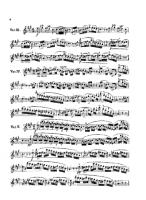
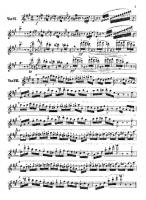
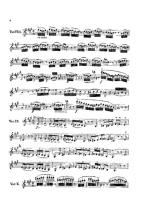
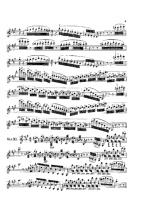







Search for Free Sheet Music
You can make a search through the entire collection of sheets.
You can make a search through the entire collection of sheets.
Latest Artists
George David Weiss
× 2
Scott Wesley × 1
Andrew Lippa × 1
William Bradbury × 1
Koji Kondo × 7
Burgmuller × 1
William Finn × 1
Irving Berlin × 1
Tchaikovsky × 2
David Arivett × 1
Heather Brooks × 1
W. Wiegand × 1
Kabalevsky × 2
Pavel Novák × 1
J. Fred Coots × 1
Ned Washington × 1
Raul Di Blasio × 1
Guilherme Schroeter × 1
G. F. Handel × 1
ABBA × 2
Astor Piazolla × 2
Asher Book × 1
Henri Tomasi × 1
Eugene Ysaye × 1
Scott Joplin × 1
Arthur Johnston × 1
Camille Saint-Saëns × 1
Hangad × 2
Silent Hill 2 × 1
John Bucchino × 1
Koen Dejonghe × 1
Al Di Meola × 1
Peter Billam × 1
Edu Lobo × 1
Nami Tamaki × 1
Beach boys × 1
José Galvão × 2
Martin Luther × 1
Vinnie Caruso × 1
John Bogenshutz × 1
Hermeto Pascoal × 1
Wayne shorter × 1
My cup runneth over × 1
Henry Mancini × 1
Deep Purple × 1
Suikoden IV × 1
James King × 1
Hugh Martin × 1
Giuseppe Cappotto × 2
Bohuslav martinu × 1
Scott Wesley × 1
Andrew Lippa × 1
William Bradbury × 1
Koji Kondo × 7
Burgmuller × 1
William Finn × 1
Irving Berlin × 1
Tchaikovsky × 2
David Arivett × 1
Heather Brooks × 1
W. Wiegand × 1
Kabalevsky × 2
Pavel Novák × 1
J. Fred Coots × 1
Ned Washington × 1
Raul Di Blasio × 1
Guilherme Schroeter × 1
G. F. Handel × 1
ABBA × 2
Astor Piazolla × 2
Asher Book × 1
Henri Tomasi × 1
Eugene Ysaye × 1
Scott Joplin × 1
Arthur Johnston × 1
Camille Saint-Saëns × 1
Hangad × 2
Silent Hill 2 × 1
John Bucchino × 1
Koen Dejonghe × 1
Al Di Meola × 1
Peter Billam × 1
Edu Lobo × 1
Nami Tamaki × 1
Beach boys × 1
José Galvão × 2
Martin Luther × 1
Vinnie Caruso × 1
John Bogenshutz × 1
Hermeto Pascoal × 1
Wayne shorter × 1
My cup runneth over × 1
Henry Mancini × 1
Deep Purple × 1
Suikoden IV × 1
James King × 1
Hugh Martin × 1
Giuseppe Cappotto × 2
Bohuslav martinu × 1