
Vivaldi Sheet Music
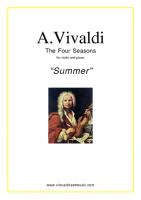
Antonio Lucio Vivaldi (March 4, 1678 â July 28, 1741), nicknamed il Prete Rosso ("The Red Priest"), was a Venetian priest and Baroque music composer, as well as a famous virtuoso violinist; he was born and raised in the Republic of Venice. The Four Seasons, a series of four violin concerti, is his best-known work and a highly popular Baroque piece.
Many of Vivaldi's compositions reflect a flamboyant, almost playful, exuberance. Most of Vivaldi's repertoire was rediscovered only in the first half of the 20th century in Turin and Genoa and was published in the second half. Vivaldi's music is innovative, breaking a consolidated tradition in schemes; he gave brightness to the formal and the rhythmic structure of the concerto, repeatedly looking for harmonic contrasts and innovative melodies and themes. Moreover, Vivaldi was able to compose nonacademic music, particularly meant to be appreciated by the wide public and not only by an intellectual minority. The joyful appearance of his music reveals in this regard a transmissible joy of composing; these are among the causes of the vast popularity of his music. This popularity soon made him famous in other countries such as France which was, at the time, very independent concerning its musical taste.
Vivaldi is considered one of the composers who brought Baroque music (with its typical contrast among heavy sonorities) to evolve into a classical style. Johann Sebastian Bach was deeply influenced by Vivaldi's concertos and arias (recalled in his Johannes Passion, Matthäuspassion, and cantatas). Bach transcribed a number of Vivaldi's concerti for solo keyboard, along with a number for orchestra, including the famous Concerto for Four Violins and Violoncello, Strings and Continuo (RV 580).
Many of Vivaldi's compositions reflect a flamboyant, almost playful, exuberance. Most of Vivaldi's repertoire was rediscovered only in the first half of the 20th century in Turin and Genoa and was published in the second half. Vivaldi's music is innovative, breaking a consolidated tradition in schemes; he gave brightness to the formal and the rhythmic structure of the concerto, repeatedly looking for harmonic contrasts and innovative melodies and themes. Moreover, Vivaldi was able to compose nonacademic music, particularly meant to be appreciated by the wide public and not only by an intellectual minority. The joyful appearance of his music reveals in this regard a transmissible joy of composing; these are among the causes of the vast popularity of his music. This popularity soon made him famous in other countries such as France which was, at the time, very independent concerning its musical taste.
Vivaldi is considered one of the composers who brought Baroque music (with its typical contrast among heavy sonorities) to evolve into a classical style. Johann Sebastian Bach was deeply influenced by Vivaldi's concertos and arias (recalled in his Johannes Passion, Matthäuspassion, and cantatas). Bach transcribed a number of Vivaldi's concerti for solo keyboard, along with a number for orchestra, including the famous Concerto for Four Violins and Violoncello, Strings and Continuo (RV 580).
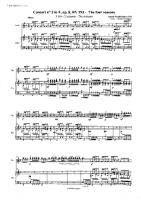
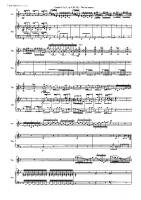
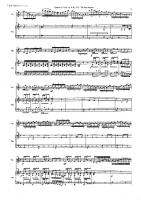
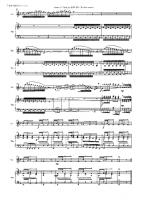
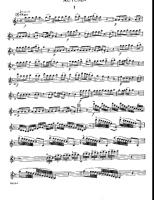
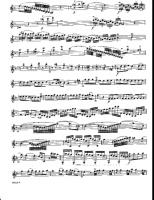
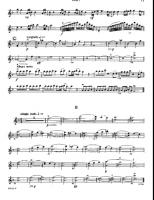
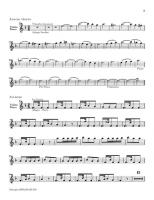
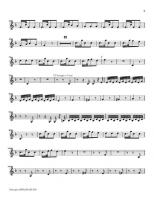
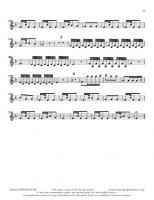
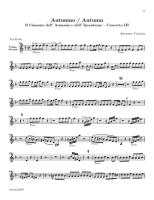
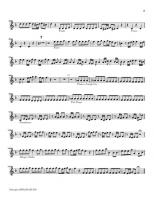
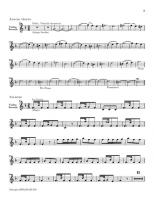
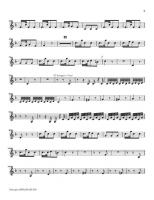
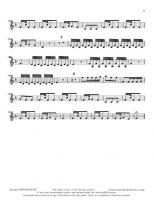
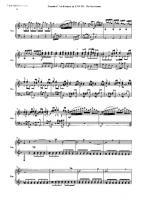
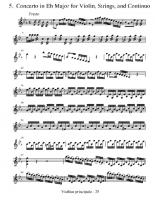
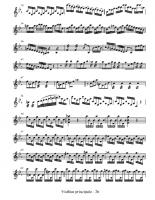
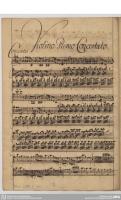
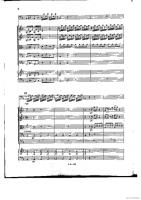
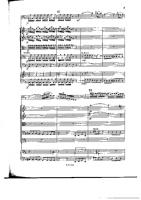
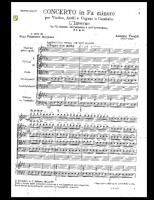
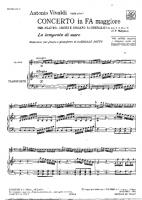
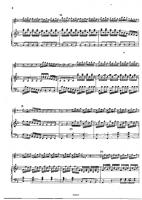
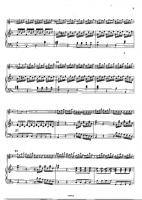
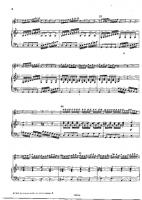
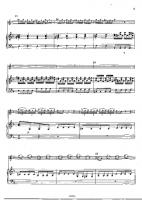
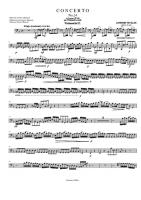
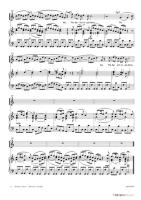
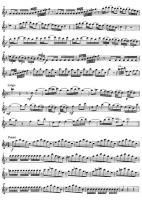
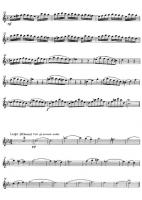
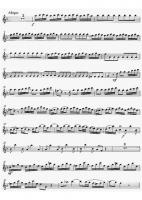
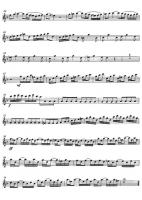
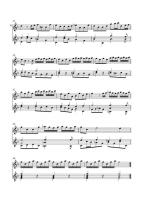
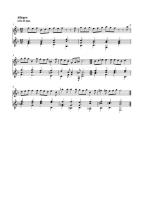
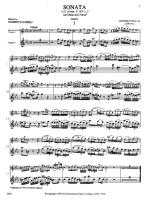
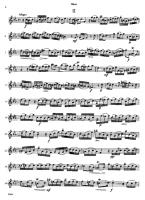
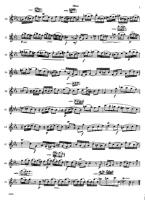
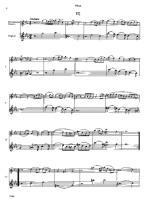
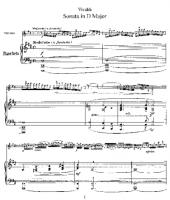
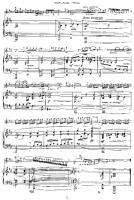
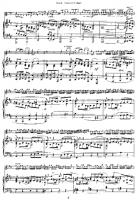
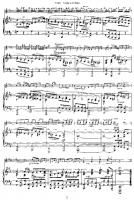
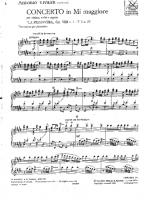
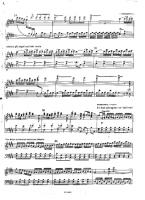
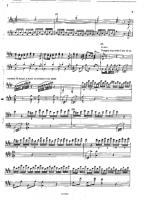
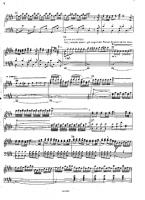
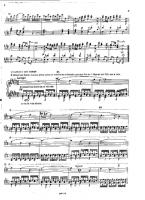
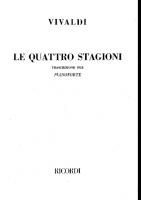
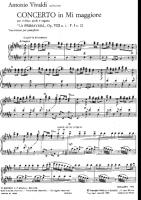
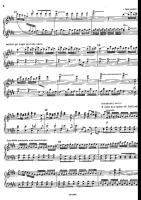
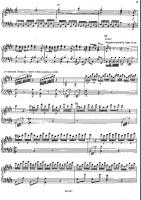
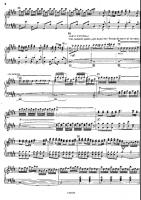
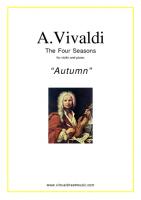
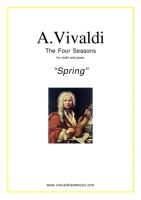
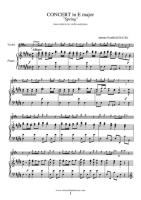
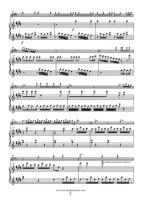
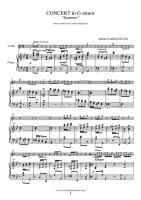
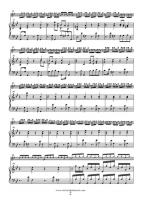
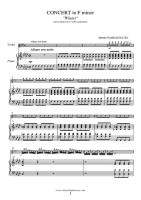
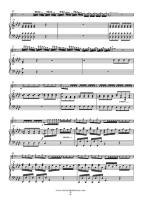
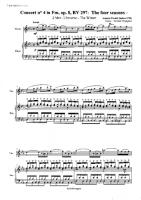
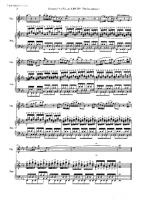
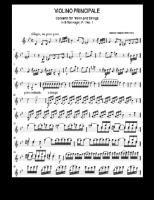
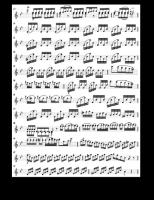
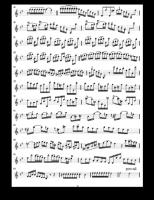
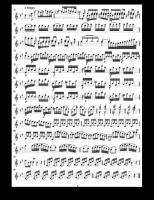
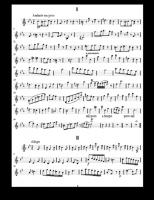
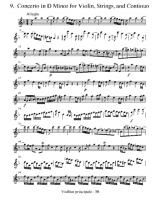
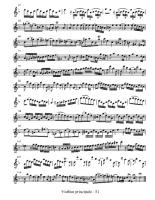
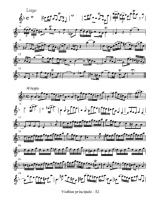
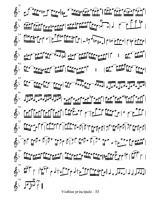
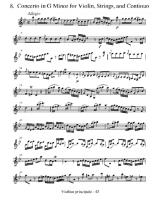
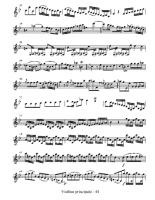
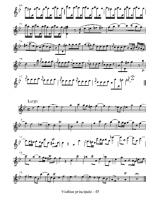
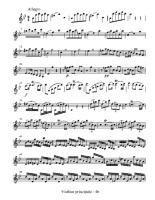
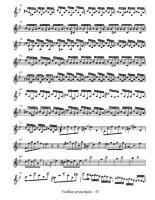
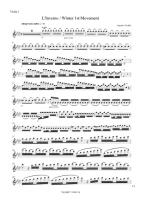
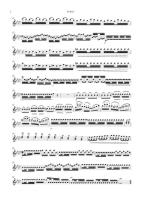
Vivaldi - spring, frist movement Violin Sheet Music
Advertisement
Advertisement

Please click on the button to get the sheet music
You can share this sheet on your Twitter or Facebook account to let your friends know too!
Comments about spring, frist movement by Vivaldi
There are no comments yet
Name (required)
Email (required, will not be published)
Email (required, will not be published)
Total 0/1000 chars
Other music sheets of Vivaldi
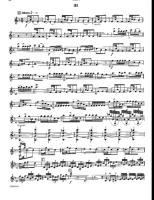
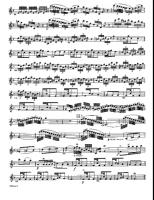





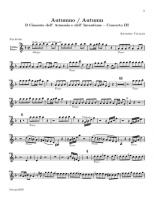
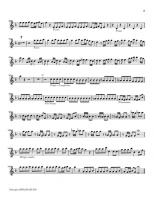
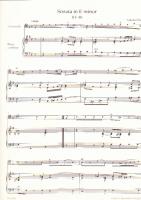
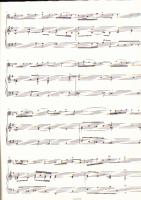
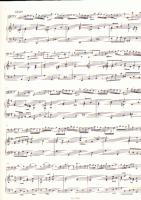
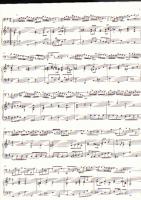
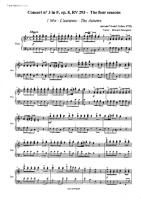
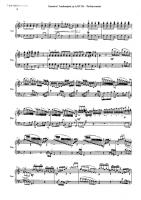
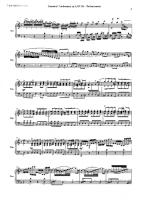










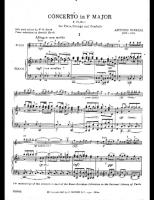
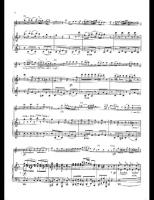
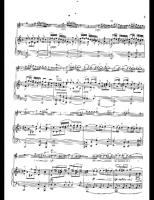
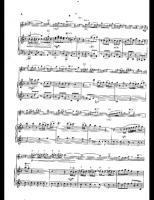
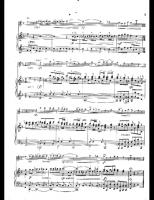





Piano
16
pages
553.6KB - 1854d ago
...






















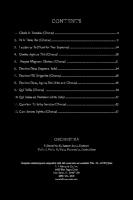
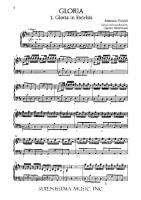
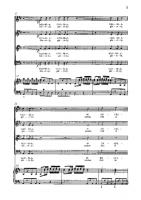
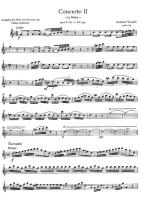

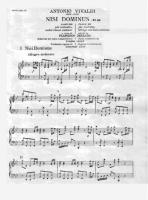





















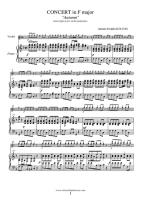
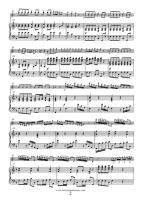
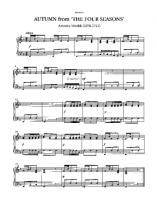
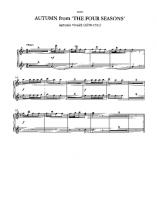
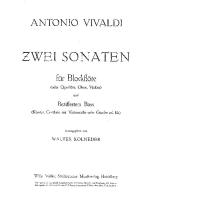
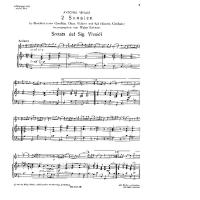
Search for Free Sheet Music
You can make a search through the entire collection of sheets.
You can make a search through the entire collection of sheets.
Latest Artists
Sumi Shimamoto
× 1
Nasim Khorassani × 1
Liszt × 2
Marc Broussard × 1
Sergei Rachmaninoff × 1
João Domingos Bomtempo × 1
Takeshi Hama × 1
Secondhand Serenade × 1
Robert Schumann × 5
Richard Clayderman × 2
Pablo de Sarasate × 2
Burt Bacharach × 1
John Kander × 1
Heitor Villa-Lobos × 1
Vivaldi × 2
Fariborz Lachini × 2
Wiliam Murphy × 1
Irene Cara × 1
Sailor Moon × 2
Alex Fong × 1
Ludvig Van Beethoven × 1
Jean Ferrat × 1
Gary Jules × 2
Hairspray × 2
Mild × 1
Michael Buble × 3
Roxette × 1
Claude Bolling × 2
Ellen & Joost Laninga × 1
Owl City × 2
Babystars × 1
Amy Beach × 1
Stuart Townend × 1
Richard Rodgers × 2
Avril Lavigne × 1
Paul Simon × 1
Anatoly Lyadov × 1
Nicolae Moldoveanu × 1
Leon Russell × 1
Fito Paez × 1
Regina Spektor × 1
Edward Elgar × 1
Pierre Certon × 1
OneRepublic × 1
Kanon Wakeshima × 1
Heather Brooks × 1
Paul De Senneville × 2
Volfango dalla vecchia × 1
Guiseppe Verdi × 2
Igor Stravinsky × 1
Nasim Khorassani × 1
Liszt × 2
Marc Broussard × 1
Sergei Rachmaninoff × 1
João Domingos Bomtempo × 1
Takeshi Hama × 1
Secondhand Serenade × 1
Robert Schumann × 5
Richard Clayderman × 2
Pablo de Sarasate × 2
Burt Bacharach × 1
John Kander × 1
Heitor Villa-Lobos × 1
Vivaldi × 2
Fariborz Lachini × 2
Wiliam Murphy × 1
Irene Cara × 1
Sailor Moon × 2
Alex Fong × 1
Ludvig Van Beethoven × 1
Jean Ferrat × 1
Gary Jules × 2
Hairspray × 2
Mild × 1
Michael Buble × 3
Roxette × 1
Claude Bolling × 2
Ellen & Joost Laninga × 1
Owl City × 2
Babystars × 1
Amy Beach × 1
Stuart Townend × 1
Richard Rodgers × 2
Avril Lavigne × 1
Paul Simon × 1
Anatoly Lyadov × 1
Nicolae Moldoveanu × 1
Leon Russell × 1
Fito Paez × 1
Regina Spektor × 1
Edward Elgar × 1
Pierre Certon × 1
OneRepublic × 1
Kanon Wakeshima × 1
Heather Brooks × 1
Paul De Senneville × 2
Volfango dalla vecchia × 1
Guiseppe Verdi × 2
Igor Stravinsky × 1