
Guiseppe Verdi Sheet Music
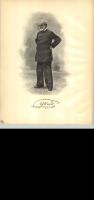
Giuseppe Fortunino Francesco Verdi (Italian pronunciation: ; 10 October 1813 – 27 January 1901) was an Italian Romantic composer, mainly of opera. He was one of the most influential composers of the 19th century. His works are frequently performed in opera houses throughout the world and, transcending the boundaries of the genre, some of his themes have long since taken root in popular culture - such as "La donna è mobile" from Rigoletto, "Va, pensiero" (The Chorus of the Hebrew Slaves) from Nabucco, "Libiamo ne' lieti calici" (The Drinking Song) from La traviata and the "Grand March" from Aida. Although his work was sometimes criticized for using a generally diatonic rather than a chromatic musical idiom and having a tendency toward melodrama, Verdi’s masterworks dominate the standard repertoire a century and a half after their composition.
Verdi's predecessors who influenced his music were Rossini, Bellini, Giacomo Meyerbeer and, most notably, Gaetano Donizetti and Saverio Mercadante. With the exception of Otello and Aida, he was free of Wagner's influence. Although respectful of Gounod, Verdi was careful not to learn anything from the Frenchman whom many of Verdi's contemporaries regarded as the greatest living composer. Some strains in Aida suggest at least a superficial familiarity with the works of the Russian composer Mikhail Glinka, whom Franz Liszt, after his tour of the Russian Empire as a pianist, popularized in Western Europe.
Throughout his career, Verdi rarely utilised the high C in his tenor arias, citing the fact that the opportunity to sing that particular note in front of an audience distracts the performer before and after the note appears. However, he did provide high Cs to Duprez in Jérusalem and to Tamberlick in the original version of La forza del destino. The high C often heard in the aria Di quella pira does not appear in Verdi's score.
Verdi's predecessors who influenced his music were Rossini, Bellini, Giacomo Meyerbeer and, most notably, Gaetano Donizetti and Saverio Mercadante. With the exception of Otello and Aida, he was free of Wagner's influence. Although respectful of Gounod, Verdi was careful not to learn anything from the Frenchman whom many of Verdi's contemporaries regarded as the greatest living composer. Some strains in Aida suggest at least a superficial familiarity with the works of the Russian composer Mikhail Glinka, whom Franz Liszt, after his tour of the Russian Empire as a pianist, popularized in Western Europe.
Throughout his career, Verdi rarely utilised the high C in his tenor arias, citing the fact that the opportunity to sing that particular note in front of an audience distracts the performer before and after the note appears. However, he did provide high Cs to Duprez in Jérusalem and to Tamberlick in the original version of La forza del destino. The high C often heard in the aria Di quella pira does not appear in Verdi's score.
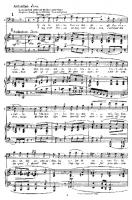
Guiseppe Verdi - Addi Del Passato Piano Sheet Music
Advertisement
Advertisement

Please click on the button to get the sheet music
You can share this sheet on your Twitter or Facebook account to let your friends know too!
Comments about Addi Del Passato by Guiseppe Verdi
There are no comments yet
Name (required)
Email (required, will not be published)
Email (required, will not be published)
Total 0/1000 chars
Other music sheets of Guiseppe Verdi
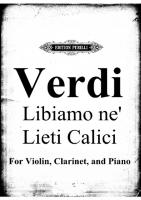
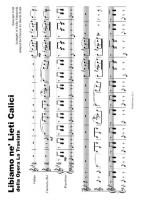
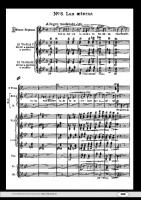
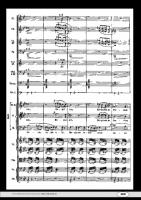
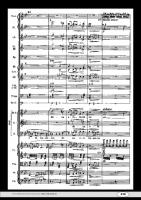





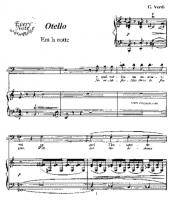
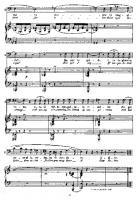


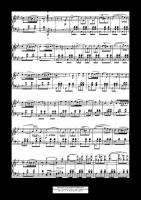
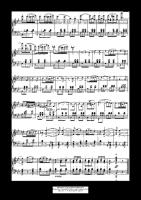










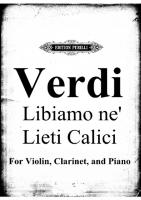
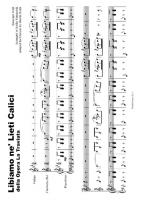
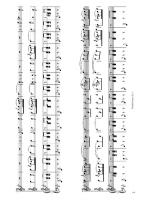
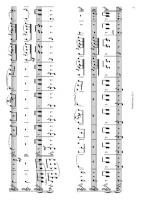
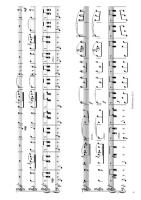
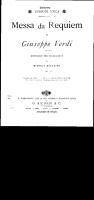
Search for Free Sheet Music
You can make a search through the entire collection of sheets.
You can make a search through the entire collection of sheets.
Latest Artists
Snow Patrol
× 1
William Finn × 1
Romeo & Juliet × 1
Coldplay × 6
Bon Jovi × 1
Iannis Xenakis × 1
Irene Cara × 1
Claude Bolling × 2
Francisco Tarrega × 1
Scott Joplin × 1
John Murphy × 1
Final Fantasy IX × 2
Gilbert and Sullivan × 1
Henry Mancini × 1
James Horner × 1
Stevie Nicks × 1
Michel Legrand × 1
Little Shop of Horrors × 1
Edwin O. Excell × 1
Michael Kooman × 2
Eric Clapton × 1
Songs for a New World × 1
The Secret Garden × 1
Ann Sweeten × 1
Christopher Beatty × 1
Arthur Honegger × 1
michel berger × 1
Wang Leehom × 1
james william elliott × 1
Liana Alexandra × 1
Sun Ra × 1
Joe Cocker × 1
Joseph Kosma × 1
T-ara × 1
The Kingston Trio × 1
AFI × 1
Paolo Agostini × 1
Ludwig van Beethoven Composer × 1
David Lanz × 2
Peter Edvinsson × 1
John Philip Sousa × 1
Chopin × 7
Andrew Lippa × 1
Loreena McKennitt × 1
Chris Rice × 1
Negramaro × 1
Miley Cyrus × 1
Earth, Wind & Fire × 2
Aaron Copland × 3
Chen × 1
William Finn × 1
Romeo & Juliet × 1
Coldplay × 6
Bon Jovi × 1
Iannis Xenakis × 1
Irene Cara × 1
Claude Bolling × 2
Francisco Tarrega × 1
Scott Joplin × 1
John Murphy × 1
Final Fantasy IX × 2
Gilbert and Sullivan × 1
Henry Mancini × 1
James Horner × 1
Stevie Nicks × 1
Michel Legrand × 1
Little Shop of Horrors × 1
Edwin O. Excell × 1
Michael Kooman × 2
Eric Clapton × 1
Songs for a New World × 1
The Secret Garden × 1
Ann Sweeten × 1
Christopher Beatty × 1
Arthur Honegger × 1
michel berger × 1
Wang Leehom × 1
james william elliott × 1
Liana Alexandra × 1
Sun Ra × 1
Joe Cocker × 1
Joseph Kosma × 1
T-ara × 1
The Kingston Trio × 1
AFI × 1
Paolo Agostini × 1
Ludwig van Beethoven Composer × 1
David Lanz × 2
Peter Edvinsson × 1
John Philip Sousa × 1
Chopin × 7
Andrew Lippa × 1
Loreena McKennitt × 1
Chris Rice × 1
Negramaro × 1
Miley Cyrus × 1
Earth, Wind & Fire × 2
Aaron Copland × 3
Chen × 1