Carl Orff Sheet Music
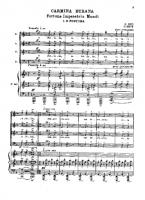
Carl Orff (July 10, 1895 – March 29, 1982) was a 20th-century German composer, best known for his cantata Carmina Burana (1937). In addition to his career as a composer, Orff developed an influential method of music education for children.
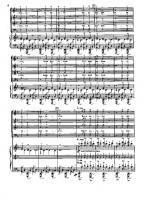
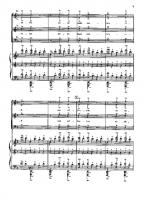
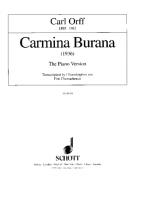
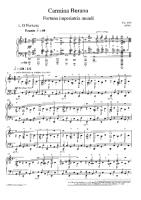
Orff is most known for Carmina Burana (1937), a "scenic cantata". It is the first of a trilogy that also includes Catulli Carmina and Trionfo di Afrodite. Carmina Burana reflected his interest in medieval German poetry. Together the trilogy is called Trionfi, or "Triumphs". The composer described it as the celebration of the triumph of the human spirit through sexual and holistic balance. The work was based on thirteenth-century poetry found in a manuscript dubbed the Codex latinus monacensis found in the Benedictine monastery of Benediktbeuern in 1803 and written by the Goliards; this collection is also known as Carmina Burana. While "modern" in some of his compositional techniques, Orff was able to capture the spirit of the medieval period in this trilogy, with infectious rhythms and easy tonalities. The medieval poems, written in Latin and an early form of German, are often racy, but without descending into smut. "Fortuna Imperatrix Mundi", commonly known as "O Fortuna", from Carmina Burana is often used to denote primal forces, for example in the Oliver Stone movie The Doors.. The work's association with fascism also led Pier Paolo Pasolini to use the movement "Veris Leta Facies" to accompany the concluding scenes of torture and murder in his final film Salò, or the 120 Days of Sodom.
With the success of Carmina Burana, Orff disowned all of his previous works except for Catulli Carmina and the Entrata (an orchestration of "The Bells" by William Byrd (1539–1623)), which were rewritten until acceptable by Orff. As an historical aside, Carmina Burana is probably the most famous piece of music composed and premiered in Nazi Germany. Carmina Burana was in fact so popular that Orff received a commission in Frankfurt to compose incidental music for A Midsummer Night's Dream, which was supposed to replace the banned music by Mendelssohn. After the war, he claimed not to be satisfied with the music and reworked it into the final version that was first performed in 1964.
Orff is most known for Carmina Burana (1937), a "scenic cantata". It is the first of a trilogy that also includes Catulli Carmina and Trionfo di Afrodite. Carmina Burana reflected his interest in medieval German poetry. Together the trilogy is called Trionfi, or "Triumphs". The composer described it as the celebration of the triumph of the human spirit through sexual and holistic balance. The work was based on thirteenth-century poetry found in a manuscript dubbed the Codex latinus monacensis found in the Benedictine monastery of Benediktbeuern in 1803 and written by the Goliards; this collection is also known as Carmina Burana. While "modern" in some of his compositional techniques, Orff was able to capture the spirit of the medieval period in this trilogy, with infectious rhythms and easy tonalities. The medieval poems, written in Latin and an early form of German, are often racy, but without descending into smut. "Fortuna Imperatrix Mundi", commonly known as "O Fortuna", from Carmina Burana is often used to denote primal forces, for example in the Oliver Stone movie The Doors.. The work's association with fascism also led Pier Paolo Pasolini to use the movement "Veris Leta Facies" to accompany the concluding scenes of torture and murder in his final film Salò, or the 120 Days of Sodom.
With the success of Carmina Burana, Orff disowned all of his previous works except for Catulli Carmina and the Entrata (an orchestration of "The Bells" by William Byrd (1539–1623)), which were rewritten until acceptable by Orff. As an historical aside, Carmina Burana is probably the most famous piece of music composed and premiered in Nazi Germany. Carmina Burana was in fact so popular that Orff received a commission in Frankfurt to compose incidental music for A Midsummer Night's Dream, which was supposed to replace the banned music by Mendelssohn. After the war, he claimed not to be satisfied with the music and reworked it into the final version that was first performed in 1964.




Search for Free Sheet Music
You can make a search through the entire collection of sheets.
You can make a search through the entire collection of sheets.
Latest Artists
Penny Will
× 1
Giuseppe Cappotto × 2
Dr. Lonnie Smith × 1
Chihiro Yonekura × 1
Styx × 1
SYLVAIN GUINET × 1
Barry Manilow × 1
The Dresden Dolls × 1
Hans Sitt × 1
Marcus Miller × 1
Five for Fighting × 1
Francis Poulenc × 1
Morten Lauridsen × 1
Michael Nyman × 1
Binx × 1
Paul McCartney × 1
Balakirev × 1
Peter, Paul and Mary × 1
Thos. S. Allen × 1
John Bucchino × 1
Elaine Deasy × 1
Johann Sebastian Bach × 2
Hector Berlioz × 1
Orazio Benevoli × 1
Goo Goo Dolls × 1
Ogie Alcasid × 1
Van Halen × 1
Alain Lefèvre × 1
Chick Corea × 2
Pandora Hearts × 1
Frida Situmorang × 1
Friedrich Wieck × 1
Billy Joel × 2
Elliot MInor × 1
Green Day × 1
KARA × 1
Robert Browne Hall × 1
Michale Wong × 1
Lili Boulanger × 1
Felipe Rose × 1
Porter Robinson × 1
Javad Maroufi × 1
Hiromi Uehara × 1
Ludwig van Beethoven Composer × 1
Alan Bullard × 1
James Brown × 1
Jason Mraz × 1
Mae × 1
Galt MacDermot × 3
Harold Arlen × 1
Giuseppe Cappotto × 2
Dr. Lonnie Smith × 1
Chihiro Yonekura × 1
Styx × 1
SYLVAIN GUINET × 1
Barry Manilow × 1
The Dresden Dolls × 1
Hans Sitt × 1
Marcus Miller × 1
Five for Fighting × 1
Francis Poulenc × 1
Morten Lauridsen × 1
Michael Nyman × 1
Binx × 1
Paul McCartney × 1
Balakirev × 1
Peter, Paul and Mary × 1
Thos. S. Allen × 1
John Bucchino × 1
Elaine Deasy × 1
Johann Sebastian Bach × 2
Hector Berlioz × 1
Orazio Benevoli × 1
Goo Goo Dolls × 1
Ogie Alcasid × 1
Van Halen × 1
Alain Lefèvre × 1
Chick Corea × 2
Pandora Hearts × 1
Frida Situmorang × 1
Friedrich Wieck × 1
Billy Joel × 2
Elliot MInor × 1
Green Day × 1
KARA × 1
Robert Browne Hall × 1
Michale Wong × 1
Lili Boulanger × 1
Felipe Rose × 1
Porter Robinson × 1
Javad Maroufi × 1
Hiromi Uehara × 1
Ludwig van Beethoven Composer × 1
Alan Bullard × 1
James Brown × 1
Jason Mraz × 1
Mae × 1
Galt MacDermot × 3
Harold Arlen × 1