
Haydn Sheet Music
Franz Joseph Haydn (March 31, 1732 – May 31, 1809) was one of the most prominent composers of the classical period, and is called by some the "Father of the Symphony" and "Father of the String Quartet".
A life-long resident of Austria, Haydn spent most of his career as a court musician for the wealthy Hungarian Esterházy family on their remote estate. Isolated from other composers and trends in music until the later part of his long life, he was, as he put it, "forced to become original".
Although Haydn is still often called "Franz Joseph Haydn", the composer did not use the name "Franz" during his lifetime and this misnomer is avoided by modern scholars and historians. Joseph Haydn was the brother of Michael Haydn, himself a highly regarded composer, and Johann Evangelist Haydn, a tenor.
A central characteristic of Haydn's music is the development of larger structures out of very short, simple musical motifs, often derived from standard accompanying figures. The music is often quite formally concentrated, and the important musical events of a movement can unfold rather quickly.
Haydn's work was central to the development of what came to be called sonata form. His practice, however, differed in some ways from that of Mozart and Beethoven, his younger contemporaries who likewise excelled in this form of composition. Haydn was particularly fond of the so-called "monothematic exposition", in which the music that establishes the dominant key is similar or identical to the opening theme. Haydn also differs from Mozart and Beethoven in his recapitulation sections, where he often rearranges the order of themes compared to the exposition and uses extensive thematic development.
Perhaps more than any other composer's, Haydn's music is known for its humour. The most famous example is the sudden loud chord in the slow movement of his "Surprise" symphony; Haydn's many other musical jokes include numerous false endings (e.g., in the quartets Op. 33 No. 2 and Op. 50 No. 3), and the remarkable rhythmic illusion placed in the trio section of the third movement of Op. 50 No. 1.
A life-long resident of Austria, Haydn spent most of his career as a court musician for the wealthy Hungarian Esterházy family on their remote estate. Isolated from other composers and trends in music until the later part of his long life, he was, as he put it, "forced to become original".
Although Haydn is still often called "Franz Joseph Haydn", the composer did not use the name "Franz" during his lifetime and this misnomer is avoided by modern scholars and historians. Joseph Haydn was the brother of Michael Haydn, himself a highly regarded composer, and Johann Evangelist Haydn, a tenor.
A central characteristic of Haydn's music is the development of larger structures out of very short, simple musical motifs, often derived from standard accompanying figures. The music is often quite formally concentrated, and the important musical events of a movement can unfold rather quickly.
Haydn's work was central to the development of what came to be called sonata form. His practice, however, differed in some ways from that of Mozart and Beethoven, his younger contemporaries who likewise excelled in this form of composition. Haydn was particularly fond of the so-called "monothematic exposition", in which the music that establishes the dominant key is similar or identical to the opening theme. Haydn also differs from Mozart and Beethoven in his recapitulation sections, where he often rearranges the order of themes compared to the exposition and uses extensive thematic development.
Perhaps more than any other composer's, Haydn's music is known for its humour. The most famous example is the sudden loud chord in the slow movement of his "Surprise" symphony; Haydn's many other musical jokes include numerous false endings (e.g., in the quartets Op. 33 No. 2 and Op. 50 No. 3), and the remarkable rhythmic illusion placed in the trio section of the third movement of Op. 50 No. 1.
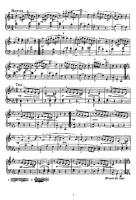
Haydn - Opus 71 String Quartet No. 1 Cello Sheet Music
Advertisement
Advertisement

Please click on the button to get the sheet music
You can share this sheet on your Twitter or Facebook account to let your friends know too!
Comments about Opus 71 String Quartet No. 1 by Haydn
There are no comments yet
Name (required)
Email (required, will not be published)
Email (required, will not be published)
Total 0/1000 chars
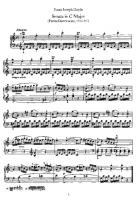
Other music sheets of Haydn












Search for Free Sheet Music
You can make a search through the entire collection of sheets.
You can make a search through the entire collection of sheets.
Latest Artists
J. Fred Coots
× 1
Annie Lennox × 1
Johann Sebastian Bach × 2
Javad Maroufi × 1
Lara Fabian × 1
Ai Yori Aoshi × 1
George David Weiss × 2
Leslie Wagle × 3
Marcel Moyse × 1
Benny Anderson × 1
Martin Harrington × 1
Bleach × 1
Eugene Ysaye × 1
Bernard Dewagtere × 1
Sufjan Stevens × 1
Bridget Jones' Diary × 1
Guilherme Schroeter × 1
Celine Dion × 1
Michael Buble × 3
Motoi Sakuraba × 1
Peter Cincotti × 1
Alan Menken × 3
Lucas Allen × 1
Final Fantasy × 1
Chris Martin × 1
Edward Elgar × 1
Mariachi Sol de Mexico × 1
Gerardo Di Giusto × 1
Brahms × 3
Sailor Moon × 2
Edvard Grieg × 3
Benjamin Godard × 1
Atie Bernet × 1
Ernesto de Curtis × 1
Philip Sparke × 1
Gary Skardina × 1
Arlene Schwartzkopf × 1
José María Cano × 1
Stephen Schwartz × 1
Michael Gibbs × 1
Luca Leggi × 1
Casablanca × 1
Rodgers and Hart × 1
Isaac Shepard × 1
Caroline Savigny-Molnar × 1
Nami Tamaki × 1
DARLENE ZSCHECH × 1
Johann Strauss × 2
Jarvis Cocker × 1
Bart Millard × 1
Annie Lennox × 1
Johann Sebastian Bach × 2
Javad Maroufi × 1
Lara Fabian × 1
Ai Yori Aoshi × 1
George David Weiss × 2
Leslie Wagle × 3
Marcel Moyse × 1
Benny Anderson × 1
Martin Harrington × 1
Bleach × 1
Eugene Ysaye × 1
Bernard Dewagtere × 1
Sufjan Stevens × 1
Bridget Jones' Diary × 1
Guilherme Schroeter × 1
Celine Dion × 1
Michael Buble × 3
Motoi Sakuraba × 1
Peter Cincotti × 1
Alan Menken × 3
Lucas Allen × 1
Final Fantasy × 1
Chris Martin × 1
Edward Elgar × 1
Mariachi Sol de Mexico × 1
Gerardo Di Giusto × 1
Brahms × 3
Sailor Moon × 2
Edvard Grieg × 3
Benjamin Godard × 1
Atie Bernet × 1
Ernesto de Curtis × 1
Philip Sparke × 1
Gary Skardina × 1
Arlene Schwartzkopf × 1
José María Cano × 1
Stephen Schwartz × 1
Michael Gibbs × 1
Luca Leggi × 1
Casablanca × 1
Rodgers and Hart × 1
Isaac Shepard × 1
Caroline Savigny-Molnar × 1
Nami Tamaki × 1
DARLENE ZSCHECH × 1
Johann Strauss × 2
Jarvis Cocker × 1
Bart Millard × 1