
Piano Sheet Music
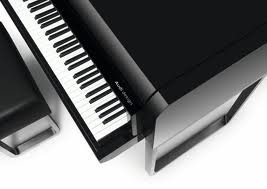 "I write music with an exclamation point!" William Shakespeare
Ludwig van Beethoven
Ludwig van Beethoven (/ˈlʊdvɪɡ væn ˈbeɪt(h)oʊvən/ (About this soundlisten); German: (About this soundlisten); baptised 17 December 1770 – 26 March 1827) was a German composer and pianist. A crucial figure in the transition between the classical and romantic eras in classical music, he remains one of the most recognized and influential musicians of this period, and is considered to be one of the greatest composers of all time.
Beethoven was born in Bonn, the capital of the Electorate of Cologne, and part of the Holy Roman Empire. He displayed his musical talents at an early age and was vigorously taught by his father Johann van Beethoven, and was later taught by composer and conductor Christian Gottlob Neefe. At age 21, he moved to Vienna and studied composition with Joseph Haydn. Beethoven then gained a reputation as a virtuoso pianist, and was soon courted by Prince Lichnowsky for compositions, which resulted in Opus 1 in 1795.
Beethoven was born in Bonn, the capital of the Electorate of Cologne, and part of the Holy Roman Empire. He displayed his musical talents at an early age and was vigorously taught by his father Johann van Beethoven, and was later taught by composer and conductor Christian Gottlob Neefe. At age 21, he moved to Vienna and studied composition with Joseph Haydn. Beethoven then gained a reputation as a virtuoso pianist, and was soon courted by Prince Lichnowsky for compositions, which resulted in Opus 1 in 1795.


The Fray
The Fray is a Grammy Award-nominated four-piece piano rock American band from Denver, Colorado. Formed in 2002 by schoolmates Isaac Slade and Joe King, the band released their debut album How to Save a Life in 2005. The band is best known for the song "How to Save a Life", which charted in the top three of the Billboard Hot 100 and was also a top 5 single in Canada, Australia, Ireland, Sweden, and the United Kingdom. The Fray also found national success with the song "Over My Head (Cable Car)", which became a top ten hit in the United States and Canada. How to Save a Life was certified double platinum by the Recording Industry Association of America and was also certified platinum in Australia and New Zealand.
The Fray was formed in 2002, and currently consists of Isaac Slade (vocals and piano), Joe King (guitar and vocals), Dave Welsh (guitar) and Ben Wysocki (drums and percussion). While the band has no official bass guitarist, Dan Lavery of Tonic has been the touring bassist since March 2007. Prior to Dan joining the touring fold, Jimmy Stofer, also a member of the band Hello Kavita, was employed as the band's touring bassist from 2005 through February 2007.
The Fray was formed in 2002, and currently consists of Isaac Slade (vocals and piano), Joe King (guitar and vocals), Dave Welsh (guitar) and Ben Wysocki (drums and percussion). While the band has no official bass guitarist, Dan Lavery of Tonic has been the touring bassist since March 2007. Prior to Dan joining the touring fold, Jimmy Stofer, also a member of the band Hello Kavita, was employed as the band's touring bassist from 2005 through February 2007.
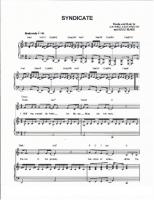
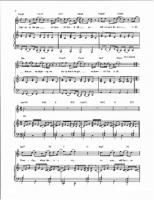
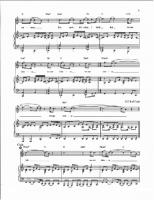
Sally DeFord
Sally DeFord Musical artist Born: 1959 (age 60 years), Eugene, Oregon, United States
Record labels: Defordmusic, Defordmusic.com, Sally DeFord Music, Sally DeFord
Genres: Alt Contemporary Christian, Christian/Gospel
Albums: He Is My Song, MORE
Record labels: Defordmusic, Defordmusic.com, Sally DeFord Music, Sally DeFord
Genres: Alt Contemporary Christian, Christian/Gospel
Albums: He Is My Song, MORE





Traditional
traditional music







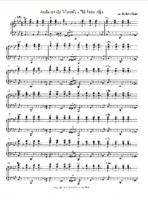
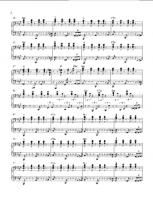
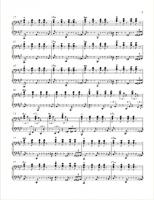
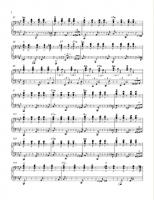




The Platters
The Platters were a successful vocal group of the early rock and roll era. Their distinctive sound was a bridge between the pre-rock Tin Pan Alley tradition, and the burgeoning new genre. The original group members were Alex Hodge, Cornell Gunther, David Lynch, Joe Jefferson, Gaynel Hodge and Herb Reed.
After signing with Buck Ram, the act went through several personnel changes before hitting the charts, with the most successful incarnation comprising lead tenor Tony Williams, David Lynch, Paul Robi, Herb Reed, and Zola Taylor.
After signing with Buck Ram, the act went through several personnel changes before hitting the charts, with the most successful incarnation comprising lead tenor Tony Williams, David Lynch, Paul Robi, Herb Reed, and Zola Taylor.



Sara Bareilles
Sara Beth Bareilles (born December 7, 1979) is an American singer-songwriter and pianist. She achieved mainstream success in 2007 with the hit single "Love Song", which brought her into the number one spot on the Billboard Pop 100 chart.
After graduating from college in 2002, Bareilles performed at local bars and clubs (such as the Hotel Cafe and Genghis Cohen in Los Angeles), building a following, before performing in larger venues. She issued two demos of mostly live tracks in 2003: The First One in April and The Summer Sessions in October. In 2004, she appeared as a singer in a bar in the indie film Girl Play, performing the song "Undertow".
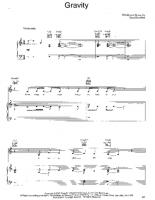
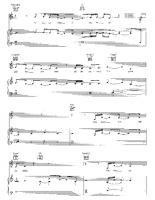
In January 2004, Bareilles released her first studio album, Careful Confessions. She signed a contract with Epic Records' A&R executive Pete Giberga on April 15, 2005. The remainder of the year and early 2006 were spent writing and reworking songs for her upcoming album. Her song, "Gravity," appears briefly in the 2006 independent film Loving Annabelle. She also toured as the opening act in 2006 for Marc Broussard's "Carencro" tour.
In mid-2004 she opened for Rocco DeLuca and the Burden during their inaugural headline tour, supported Guster on their first UK tour and co-headlined a tour with Jon McLaughlin. In 2007, Bareilles toured as the opening act for Aqualung and Mika, and later that year opened for several shows on both Maroon 5 and Paolo Nutini's U.S. tours. She also opened for James Blunt on his U.S. Tour in association with VH1 You Oughta Know.
After graduating from college in 2002, Bareilles performed at local bars and clubs (such as the Hotel Cafe and Genghis Cohen in Los Angeles), building a following, before performing in larger venues. She issued two demos of mostly live tracks in 2003: The First One in April and The Summer Sessions in October. In 2004, she appeared as a singer in a bar in the indie film Girl Play, performing the song "Undertow".
In January 2004, Bareilles released her first studio album, Careful Confessions. She signed a contract with Epic Records' A&R executive Pete Giberga on April 15, 2005. The remainder of the year and early 2006 were spent writing and reworking songs for her upcoming album. Her song, "Gravity," appears briefly in the 2006 independent film Loving Annabelle. She also toured as the opening act in 2006 for Marc Broussard's "Carencro" tour.
In mid-2004 she opened for Rocco DeLuca and the Burden during their inaugural headline tour, supported Guster on their first UK tour and co-headlined a tour with Jon McLaughlin. In 2007, Bareilles toured as the opening act for Aqualung and Mika, and later that year opened for several shows on both Maroon 5 and Paolo Nutini's U.S. tours. She also opened for James Blunt on his U.S. Tour in association with VH1 You Oughta Know.
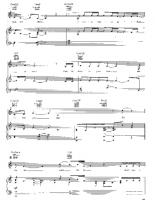
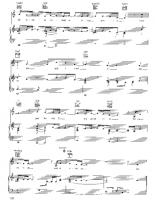
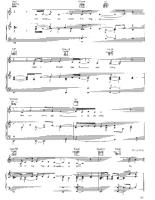
The Legend of Zelda
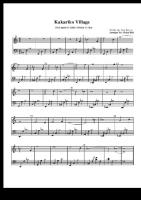
The Legend of Zelda (Zeruda no Densetsu) is a high fantasy action-adventure video game series created by game designer Shigeru Miyamoto and developed and published by Nintendo. The gameplay consists of a mixture of action, adventure, puzzle solving, role-playing and occasional platforming, stealth and racing elements. The series centers on Link, the main playable character and protagonist. Link is often given the task of rescuing Princess Zelda and the most common setting of the series, Hyrule, from Ganon who is the primary antagonist of the series. However, other settings and antagonists have appeared throughout the games, with Vaati having recently become the series' secondary antagonist. The story commonly involves a relic known as the Triforce, a set of three golden triangles of omnipotence. The protagonist in each game is not always the same iteration of Link, although the same character sometimes appears across multiple games.
The Legend of Zelda series has sold over 52 million copies since the release of the first game, The Legend of Zelda, and continues to be successful worldwide. The series consists of fourteen official games on all of Nintendo's major consoles, as well as several spin-offs. An animated series based on the games aired in 1989, and individual manga adaptions which are officially endorsed and commissioned by Nintendo have been produced in Japan since 1997.
The Legend of Zelda series has sold over 52 million copies since the release of the first game, The Legend of Zelda, and continues to be successful worldwide. The series consists of fourteen official games on all of Nintendo's major consoles, as well as several spin-offs. An animated series based on the games aired in 1989, and individual manga adaptions which are officially endorsed and commissioned by Nintendo have been produced in Japan since 1997.
Natasha Khan
Natasha Khan is a Pakistani singer, songwriter, composer, and audio engineer. She is also the first qualified female audio engineer from Pakistan. Natasha made her debut in Coke Studio. She appeared as a singer in Coke Studio in Season 9 and Season 10 as a singer and backing vocalist.




ABBA
ABBA was a Swedish Eurovision Song Contest-winning pop music group active between 1972 and 1982. Benny Andersson, Björn Ulvaeus, Anni-Frid Lyngstad (Frida), Agnetha Fältskog are in ABBA. They topped the charts worldwide from the mid-1970s to the early 1980s. The name "ABBA" is an acronym formed from the first letters of each of the group member's given name (Agnetha, Björn, Benny, Anni-Frid).
ABBA gained immense international popularity employing catchy song hooks, simple lyrics, and a Wall of Sound achieved by overdubbing the female singers' voices in multiple harmonies. As their popularity grew, they were sought-after to tour Europe, Australia, and North America, drawing crowds of near-hysterical fans ("ABBAholics"), notably in Australia. Touring became a contentious issue, being particularly unpopular with Agnetha, but they continued to release studio albums to great commercial success. At the height of their popularity, however, both marriages of the band members (Benny with Frida, and Björn with Agnetha) failed, and the relationship changes were reflected in their music, as they produced more thoughtful lyrics with different compositions.
They remain a fixture of radio playlists and are one of the world's best selling bands, having sold around 400 million records world wide; The music of ABBA has been re-arranged into the successful musical Mamma Mia! that has toured worldwide and a movie version was released in July 2008. All four of the former members of ABBA were present at the Stockholm premieres of both the musical (2005) and the film (2008). The film première took place at the Benny Andersson-owned Rival theatre at Mariatorget, Stockholm on 4 July 2008.
ABBA gained immense international popularity employing catchy song hooks, simple lyrics, and a Wall of Sound achieved by overdubbing the female singers' voices in multiple harmonies. As their popularity grew, they were sought-after to tour Europe, Australia, and North America, drawing crowds of near-hysterical fans ("ABBAholics"), notably in Australia. Touring became a contentious issue, being particularly unpopular with Agnetha, but they continued to release studio albums to great commercial success. At the height of their popularity, however, both marriages of the band members (Benny with Frida, and Björn with Agnetha) failed, and the relationship changes were reflected in their music, as they produced more thoughtful lyrics with different compositions.
They remain a fixture of radio playlists and are one of the world's best selling bands, having sold around 400 million records world wide; The music of ABBA has been re-arranged into the successful musical Mamma Mia! that has toured worldwide and a movie version was released in July 2008. All four of the former members of ABBA were present at the Stockholm premieres of both the musical (2005) and the film (2008). The film première took place at the Benny Andersson-owned Rival theatre at Mariatorget, Stockholm on 4 July 2008.





Chopin
Frédéric Chopin (1 March 1810 – 17 October 1849) was a Polish composer and virtuoso pianist of the Romantic period. He is widely regarded as the greatest Polish composer, and ranks as one of music's greatest tone poets.
He was born in the village of Żelazowa Wola, in the Duchy of Warsaw, to a Polish mother and French-expatriate father, and in his early life was regarded as a child-prodigy pianist. In November 1830, at the age of 20, Chopin went abroad; following the suppression of the Polish November Uprising of 1830–31, he became one of many expatriates of the Polish "Great Emigration."
In Paris, he made a comfortable living as a composer and piano teacher, while giving few public performances. A Polish patriot,
Chopin's extant compositions were written primarily for the piano as a solo instrument. Though technically demanding, Chopin's style emphasizes nuance and expressive depth rather than virtuosity. Chopin invented musical forms such as the ballade and was responsible for major innovations in forms such as the piano sonata, waltz, nocturne, étude, impromptu and prelude. His works are mainstays of Romanticism in 19th-century classical music.
He was born in the village of Żelazowa Wola, in the Duchy of Warsaw, to a Polish mother and French-expatriate father, and in his early life was regarded as a child-prodigy pianist. In November 1830, at the age of 20, Chopin went abroad; following the suppression of the Polish November Uprising of 1830–31, he became one of many expatriates of the Polish "Great Emigration."
In Paris, he made a comfortable living as a composer and piano teacher, while giving few public performances. A Polish patriot,
Chopin's extant compositions were written primarily for the piano as a solo instrument. Though technically demanding, Chopin's style emphasizes nuance and expressive depth rather than virtuosity. Chopin invented musical forms such as the ballade and was responsible for major innovations in forms such as the piano sonata, waltz, nocturne, étude, impromptu and prelude. His works are mainstays of Romanticism in 19th-century classical music.
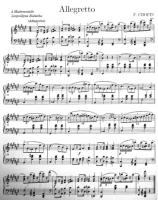
Leslie Wagle
she is a female musician doing new age arrangements and cover music.
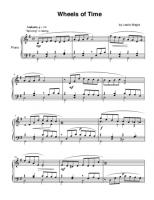
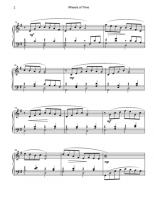
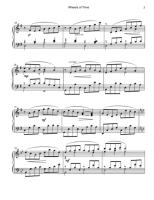
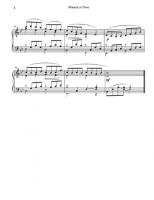
Yasunori Mitsuda
Yasunori Mitsuda (光田 康典 Mitsuda Yasunori?, born January 21, 1972) is a Japanese video game composer, sound programmer, and musician. He has composed music for or worked on over 35 games, and has contributed to over 15 other albums. He is best known for his compositions for the video games Chrono Trigger, Chrono Cross, Shadow Hearts, Shadow Hearts: Covenant, Xenogears, Xenosaga Episode I, and Mario Party. He began composing video game music for his own games in high school, and after graduation attended Junior College of Music in Tokyo. In 1992 upon graduation he joined Square (now Square Enix) as a composer after seeing a magazine advertisement in an office he was visiting with his professor.
Despite his job title as a composer, Mitsuda worked for two years as a sound engineer. In 1994, after threatening to quit to Square's vice president, Hironobu Sakaguchi, he was assigned to compose the soundtrack to Chrono Trigger. After the game's success and the music's acclaim, he went on to compose several other games for Square, including Xenogears. In 1998 Mitsuda left Square to work as a freelance composer, founding his own music production studio, Procyon Studio, in 2001 as well as his own record label, Sleigh Bells. The company has since expanded to nine employees, and Mitsuda continues to compose for video games, as well as for anime series and his own independent albums.
Despite his job title as a composer, Mitsuda worked for two years as a sound engineer. In 1994, after threatening to quit to Square's vice president, Hironobu Sakaguchi, he was assigned to compose the soundtrack to Chrono Trigger. After the game's success and the music's acclaim, he went on to compose several other games for Square, including Xenogears. In 1998 Mitsuda left Square to work as a freelance composer, founding his own music production studio, Procyon Studio, in 2001 as well as his own record label, Sleigh Bells. The company has since expanded to nine employees, and Mitsuda continues to compose for video games, as well as for anime series and his own independent albums.


Elton John & Bernie Taupin
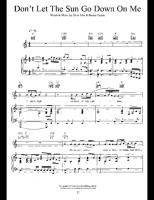
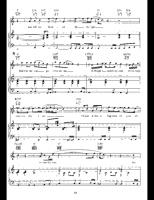
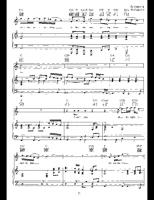
Sir Elton Hercules John CBE (born Reginald Kenneth Dwight; 25 March 1947) is an English singer, songwriter, pianist, and composer. He has worked with lyricist Bernie Taupin since 1967; they have collaborated on more than 30 albums. John has sold more than 300 million records, making him one of the world's best-selling music artists. He has more than fifty Top 40 hits, as well as seven consecutive number-one albums in the United States, 58 Billboard Top 40 singles, 27 Top 10 singles, four of which peaked at number two and nine of which reached number one. His tribute single "Candle in the Wind 1997", rewritten in dedication to Diana, Princess of Wales, sold over 33 million copies worldwide and is the best-selling single in the history of the UK and US singles charts. He has also produced records and occasionally acted in films. John owned Watford F.C. from 1976 to 1987 and from 1997 to 2002, and is an honorary Life President of the club.
Gabriel Faure
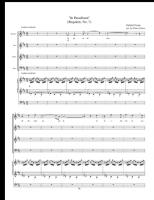
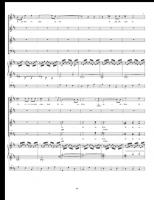
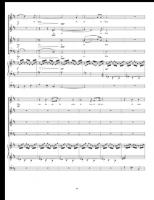
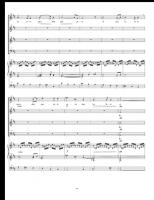
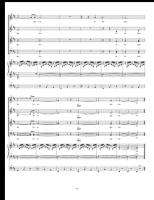
Gabriel Urbain Fauré (12 May 1845 – 4 November 1924) was a French composer, organist, pianist, and teacher. He was the foremost French composer of his generation, and his musical style influenced many 20th century composers. His harmonic and melodic language affected how harmony was later taught.
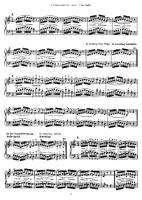
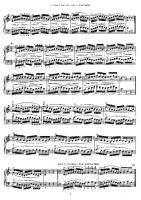
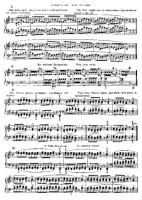
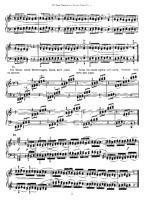
Friedrich Wieck
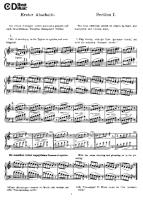
Johann Gottlob Friedrich Wieck (18 August 1785 – 6 October 1873, aged 88) was a noted German piano teacher, voice teacher, owner of a piano store, and author of essays and music reviews. He is remembered as the teacher of his daughter, Clara, a child prodigy who was undertaking international concert tours by age eleven and who later married her father's pupil Robert Schumann, in defiance of her father's extreme objections. As Clara Schumann, she became one of the most famous pianists of her time. Another of Wieck's daughters, Marie Wieck, also had a career in music, although not nearly so illustrious as Clara's. Other pupils included Hans von Bülow.
Avishai Cohen
Avishai Cohen is an Israeli jazz double bassist, composer, singer, and arranger.
John Denver
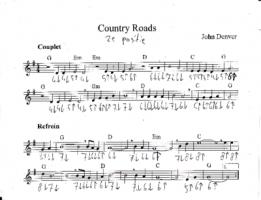
John Denver (December 31, 1943 – October 12, 1997), born Henry John Deutschendorf, Jr., was an American Country Music/folk singer-songwriter and folk rock musician. One of the most popular artists of the 1970s, he recorded and released some 300 songs, about half composed by himself. He was named Poet Laureate of Colorado in 1977. Songs such as "Leaving on a Jet Plane" (1967), "Take Me Home, Country Roads" (1971), "Rocky Mountain High" (1973), "Thank God I'm a Country Boy" (1974), "Annie's Song" (1974), "Sunshine on My Shoulders" (1974), and "Calypso" (1975) are popular worldwide. Denver has been referred to as "The Poet for the Planet", "Mother Nature's Son" (based on The Beatles song he covered) and "A Song's Best Friend".
Jonas Brothers
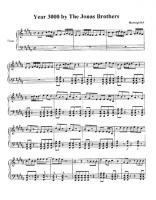
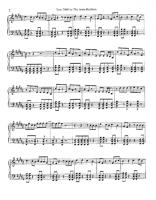
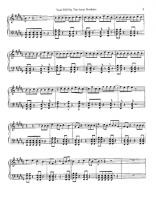
Jonas Brothers is an American pop rock band from Wyckoff, New Jersey made up of three brothers: Kevin Jonas, Joe Jonas, and Nick Jonas. They have released three albums: It's About Time (2006), Jonas Brothers (2007), and A Little Bit Longer (2008).
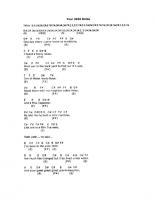
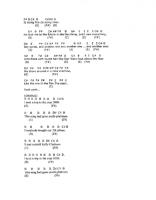
Giovanni Pierluigi da Palestrina
Giovanni Pierluigi da Palestrina (b. 3 February 1525 – 2 February 1526; d. 2 February 1594) was an Italian Renaissance composer and the most well-known 16th-century representative of the Roman School of musical composition. Palestrina became famous through his output of sacred music. He had an enormous influence on the development of Roman Catholic church music, and his work has often been seen as the culmination of Renaissance polyphony. It is only recently, with the discovery and publication of a great deal of hitherto unknown or forgotten music by various Renaissance composers, that we have had the means to properly assess Palestrina in historical context.
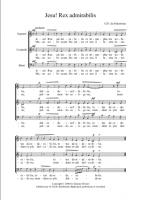
Heitor Villa-Lobos
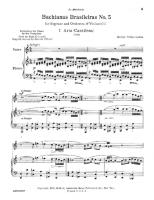
Heitor Villa-Lobos (March 5, 1887 – November 17, 1959) was a Brazilian composer, described as "the single most significant creative figure in 20th-century Brazilian art music". Villa-Lobos has become the best-known and most significant Latin American composer to date. He wrote numerous orchestral, chamber, instrumental and vocal works. His music was influenced by both Brazilian folk music and by stylistic elements from the European classical tradition, as exemplified by his Bachianas Brasileiras ("Brazilian Bachian-pieces").
His earliest pieces originated in guitar improvisations, for example Panqueca ("Pancake") of 1900. The concert series of 1915–21 included first performances of pieces demonstrating originality and virtuosic technique. Some of these pieces are early examples of elements of importance throughout his œuvre. His attachment to the Iberian Peninsula is demonstrated in Canção Ibéria of 1914 and in orchestral transcriptions of some of Enrique Granados' piano Goyescas (1918, now lost). Other themes that were to recur in his later work include the anguish and despair of the piece Desesperança— Sonata Phantastica e Capricciosa no. 1 (1915), a violin sonata including "histrionic and violently contrasting emotions", the birds of L'oiseau blessé d'une flèche (1913), the mother-child relationship (not usually a happy one in Villa-Lobos's music) in Les mères of 1914, and the flowers of Suíte floral for piano of 1916–18 which reappeared in Distribuição de flores for flute and guitar of 1937.
Reconciling European tradition and Brazilian influences was also an element that bore fruit more formally later. His earliest published work Pequena suíte for cello and piano of 1913 shows a love for the cello, but is not notably Brazilian, although it contains elements that were to resurface later. His three-movement String Quartet no. 1 (Suíte graciosa) of 1915 (expanded to six movements ca. 1947) is influenced by European opera, while Três danças características (africanas e indígenas) of 1914–16 for piano, later arranged for octet and subsequently orchestrated, is radically influenced by the tribal music of the Caripunas Indians of Mato Grosso.
With his tone poems Amazonas (1916, first performed in Paris in 1929) and Uirapurú (1916, first performed 1935) he created works dominated by indigenous Brazilian influences. The works use Brazilian folk tales and characters, imitations of the sounds of the jungle and its fauna, imitations of the sound of the nose-flute by the violinophone, and not least imitations of the uirapuru itself.
His earliest pieces originated in guitar improvisations, for example Panqueca ("Pancake") of 1900. The concert series of 1915–21 included first performances of pieces demonstrating originality and virtuosic technique. Some of these pieces are early examples of elements of importance throughout his œuvre. His attachment to the Iberian Peninsula is demonstrated in Canção Ibéria of 1914 and in orchestral transcriptions of some of Enrique Granados' piano Goyescas (1918, now lost). Other themes that were to recur in his later work include the anguish and despair of the piece Desesperança— Sonata Phantastica e Capricciosa no. 1 (1915), a violin sonata including "histrionic and violently contrasting emotions", the birds of L'oiseau blessé d'une flèche (1913), the mother-child relationship (not usually a happy one in Villa-Lobos's music) in Les mères of 1914, and the flowers of Suíte floral for piano of 1916–18 which reappeared in Distribuição de flores for flute and guitar of 1937.
Reconciling European tradition and Brazilian influences was also an element that bore fruit more formally later. His earliest published work Pequena suíte for cello and piano of 1913 shows a love for the cello, but is not notably Brazilian, although it contains elements that were to resurface later. His three-movement String Quartet no. 1 (Suíte graciosa) of 1915 (expanded to six movements ca. 1947) is influenced by European opera, while Três danças características (africanas e indígenas) of 1914–16 for piano, later arranged for octet and subsequently orchestrated, is radically influenced by the tribal music of the Caripunas Indians of Mato Grosso.
With his tone poems Amazonas (1916, first performed in Paris in 1929) and Uirapurú (1916, first performed 1935) he created works dominated by indigenous Brazilian influences. The works use Brazilian folk tales and characters, imitations of the sounds of the jungle and its fauna, imitations of the sound of the nose-flute by the violinophone, and not least imitations of the uirapuru itself.

Paolo Tosti
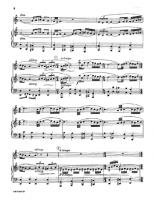
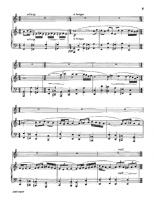
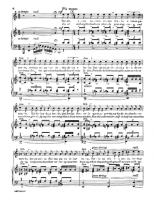
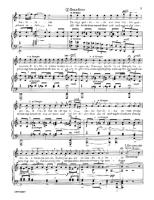
Sir Paolo Tosti (April 9, 1846 – December 2, 1916) was an Italian, later British, composer and music teacher.
Tosti's songs are characterized by natural, singable melodies and sweet sentimentality. He is also known for his editions of Italian folk songs entitled "Canti popoliari Abruzzesi". Tosti is remembered for his light, expressive songs. His style became very popular during the Belle Époque and is often known as salon music. His most famous works are Serenata (lyrics: Cesareo), Goodbye (lyrics: George J. Whyte Mellville) which is sometimes performed in Italian as Addio (lyrics: Rizzelli), and the popular Neapolitan song, Marechiare, the lyrics of which are by the prominent Neapolitan dialect poet, Salvatore Di Giacomo.
As a composer, Tosti is exceptional. Since the beginning of the recording era, numerous recording artists specializing in classical Italian repertoire have recorded Tosti songs, yet Tosti never composed opera. Notable examples on recording include Alessandro Moreschi (the only castrato who ever recorded) singing "Ideale", Nellie Melba singing "Mattinata" and Jussi Björling singing "L'alba separa dalla luce l'ombra".
Tosti's songs are characterized by natural, singable melodies and sweet sentimentality. He is also known for his editions of Italian folk songs entitled "Canti popoliari Abruzzesi". Tosti is remembered for his light, expressive songs. His style became very popular during the Belle Époque and is often known as salon music. His most famous works are Serenata (lyrics: Cesareo), Goodbye (lyrics: George J. Whyte Mellville) which is sometimes performed in Italian as Addio (lyrics: Rizzelli), and the popular Neapolitan song, Marechiare, the lyrics of which are by the prominent Neapolitan dialect poet, Salvatore Di Giacomo.
As a composer, Tosti is exceptional. Since the beginning of the recording era, numerous recording artists specializing in classical Italian repertoire have recorded Tosti songs, yet Tosti never composed opera. Notable examples on recording include Alessandro Moreschi (the only castrato who ever recorded) singing "Ideale", Nellie Melba singing "Mattinata" and Jussi Björling singing "L'alba separa dalla luce l'ombra".
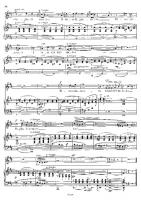
Ace of Base
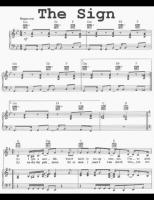
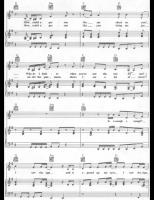
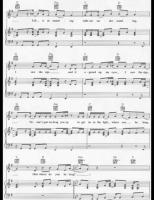
Ace of Base is a pop band from Gothenburg, Sweden, comprising Ulf Ekberg (Buddha) and siblings Jonas Berggren (Joker), Jenny Berggren (and, formerly, Malin "Linn" Berggren). They released their debut album in 1993 and went on to achieve major chart success throughout the 1990s, their most popular songs being "Beautiful Life", "The Sign", "Don't Turn Around" and "All That She Wants." The departure of former lead singer Linn Berggren was revealed in 2007 after years of declining participation in the group. The three remaining members are currently on a world tour and plan to release a new studio album later in 2008.
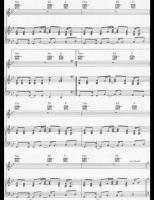
Jerome Kern
Jerome David Kern (January 27, 1885 – November 11, 1945) was an American composer of musical theatre and popular music. One of the most important American theatre composers of the early 20th century, he wrote more than 700 songs, used in over 100 stage works, including such classics as "Ol' Man River", "Can't Help Lovin' Dat Man", "A Fine Romance", "Smoke Gets in Your Eyes", "All the Things You Are", "The Way You Look Tonight", "Long Ago (and Far Away)" and "Who?". He collaborated with many of the leading librettists and lyricists of his era, including George Grossmith Jr., Guy Bolton, P. G. Wodehouse, Otto Harbach, Oscar Hammerstein II, Dorothy Fields, Johnny Mercer, Ira Gershwin and E. Y. Harburg.
A native New Yorker, Kern created dozens of Broadway musicals and Hollywood films in a career that lasted for more than four decades. His musical innovations, such as 4/4 dance rhythms and the employment of syncopation and jazz progressions, built on, rather than rejected, earlier musical theatre tradition. He and his collaborators also employed his melodies to further the action or develop characterization to a greater extent than in the other musicals of his day, creating the model for later musicals. Although dozens of Kern's musicals and musical films were hits, only Show Boat is now regularly revived. Songs from his other shows, however, are still frequently performed and adapted. Although Kern detested jazz arrangements of his songs, many have been adopted by jazz musicians to become standard tunes.
A native New Yorker, Kern created dozens of Broadway musicals and Hollywood films in a career that lasted for more than four decades. His musical innovations, such as 4/4 dance rhythms and the employment of syncopation and jazz progressions, built on, rather than rejected, earlier musical theatre tradition. He and his collaborators also employed his melodies to further the action or develop characterization to a greater extent than in the other musicals of his day, creating the model for later musicals. Although dozens of Kern's musicals and musical films were hits, only Show Boat is now regularly revived. Songs from his other shows, however, are still frequently performed and adapted. Although Kern detested jazz arrangements of his songs, many have been adopted by jazz musicians to become standard tunes.




Daisuke Namikawa
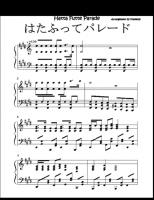
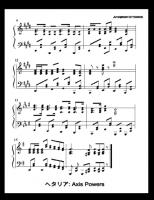
Daisuke Namikawa is a Japanese actor, voice actor, and singer associated with Stay Luck. He began acting as a child and is sometimes mistaken with Daisuke Hirakawa, as their names only differ by one character when written in kanji.
Rachmaninoff
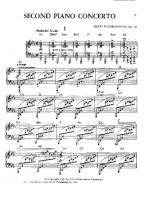
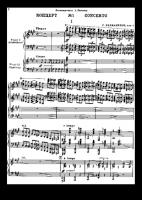
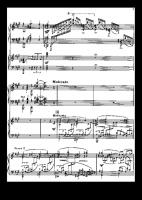
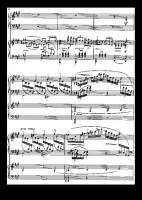
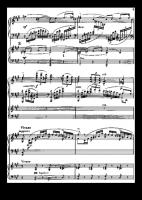
Sergei Vasilievich Rachmaninoff (1 April 1873 - 28 March 1943) was a Russian composer, pianist, and conductor. He was one of the finest pianists of his day and, as a composer, the last great representative of Russian late Romanticism in classical music. Early influences of Tchaikovsky, Rimsky-Korsakov and other Russian composers gave way to a thoroughly personal idiom which included a pronounced lyricism, expressive breadth, structural ingenuity and a tonal palette of rich, distinctive orchestral colors.
Understandably, the piano figures prominently in Rachmaninoff's compositional output, either as a solo instrument or as part of an ensemble. He made it a point, however, to use his own skills as a performer to explore fully the expressive possibilities of the instrument. Even in his earliest works, he revealed a sure grasp of idiomatic piano writing and a striking gift for melody. In some of his early orchestral pieces he showed the first signs of a talent for tone painting, which he would perfect in The Isle of the Dead, and he began to show a similar penchant for vocal writing in two early sets of songs, Opp. 4 and 8. Rachmaninoff's masterpiece, however, is his choral symphony The Bells, in which all of his talents are fused and unified.
Rachmaninoff sometimes felt threatened by the success of modernists such as Scriabin and Prokofiev and wondered whether to cease composing even before he left Russia. His musical philosophy was rooted in the Russian spiritual tradition, where the role of the artist was to create beauty and to speak the truth from the depths of his heart. In his last major interview, in 1941, he admitted his music, like Russian music, was a product of his temperament. He said, on another occasion, "The new kind of music seems to create not from the heart but from the head. Its composers think rather than feel. They have not the capacity to make their works exalt—they meditate, protest, analyze, reason, calculate and brood, but they do not exalt."
Understandably, the piano figures prominently in Rachmaninoff's compositional output, either as a solo instrument or as part of an ensemble. He made it a point, however, to use his own skills as a performer to explore fully the expressive possibilities of the instrument. Even in his earliest works, he revealed a sure grasp of idiomatic piano writing and a striking gift for melody. In some of his early orchestral pieces he showed the first signs of a talent for tone painting, which he would perfect in The Isle of the Dead, and he began to show a similar penchant for vocal writing in two early sets of songs, Opp. 4 and 8. Rachmaninoff's masterpiece, however, is his choral symphony The Bells, in which all of his talents are fused and unified.
Rachmaninoff sometimes felt threatened by the success of modernists such as Scriabin and Prokofiev and wondered whether to cease composing even before he left Russia. His musical philosophy was rooted in the Russian spiritual tradition, where the role of the artist was to create beauty and to speak the truth from the depths of his heart. In his last major interview, in 1941, he admitted his music, like Russian music, was a product of his temperament. He said, on another occasion, "The new kind of music seems to create not from the heart but from the head. Its composers think rather than feel. They have not the capacity to make their works exalt—they meditate, protest, analyze, reason, calculate and brood, but they do not exalt."
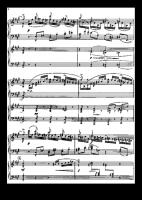
David Shire
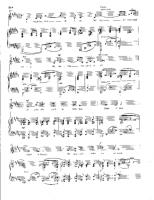
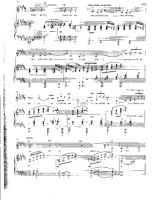
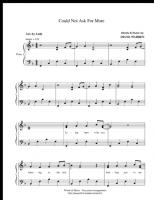
David Lee Shire (born July 3, 1937) is an American songwriter and composer of stage musicals, film and television scores. The soundtracks to the 1976 film The Big Bus, The Taking of Pelham One Two Three, The Conversation and All the President's Men, and parts of the Saturday Night Fever soundtrack such as "Manhattan Skyline", are some of his best-known works. His other work includes the score of the 1985 film Return to Oz (the "sequel-in-part" of The Wizard of Oz), and the stage musical scores of Baby, Big, Closer Than Ever, and Starting Here, Starting Now. Shire is married to actress Didi Conn.
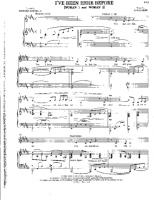
Reborn!
Reborn!, known in Japan as Katekyō Hitman Reborn!, is a Japanese manga series written and illustrated by Akira Amano. It follows Tsunayoshi Sawada, a young boy who discovers that he is next in line to become boss of the Vongola family, a powerful Mafia organization.





Eason Chan
Eason Chan Yik-shun is a Hong Kong singer and actor. Chan was ranked sixth in the 2013 Forbes China Celebrity Top 100 List. In 2006 Chan's Cantonese album U87 was named one of Time magazine's "Five Asian Albums Worth Buying". Chan has won a number of Golden Melody Awards.



Elvis Presley
Elvis Aaron Presley (January 8, 1935–August 16, 1977, middle name sometimes written Aron)a was an American singer, musician and actor. A cultural icon, he is commonly referred to as the "The King of Rock 'n' Roll" or "The King".
In 1954, Presley began his career as the first performer of rockabilly, an uptempo fusion of country and rhythm and blues with a strong back beat. His novel versions of existing songs, mixing "black" and "white" sounds, made him popular—and controversial—as did his uninhibited stage and television performances. He recorded songs in the rock and roll genre, with tracks like "Hound Dog" and "Jailhouse Rock" later embodying the style. Presley had a versatile voice and had unusually wide success encompassing other genres, including gospel, blues, ballads and pop. To date, he has been inducted into four music halls of fame.
In the 1960s, Presley made the majority of his thirty-one movies—mainly poorly reviewed, but financially successful, musicals. In 1968, he returned with acclaim to live music in a television special, and thereafter performed across the U.S., notably in Las Vegas. Throughout his career, he set records for concert attendance, television ratings and recordings sales. He is one of the best-selling and most influential artists in the history of popular music. Health problems, drug dependency and other factors led to his premature death at age 42.
In 1954, Presley began his career as the first performer of rockabilly, an uptempo fusion of country and rhythm and blues with a strong back beat. His novel versions of existing songs, mixing "black" and "white" sounds, made him popular—and controversial—as did his uninhibited stage and television performances. He recorded songs in the rock and roll genre, with tracks like "Hound Dog" and "Jailhouse Rock" later embodying the style. Presley had a versatile voice and had unusually wide success encompassing other genres, including gospel, blues, ballads and pop. To date, he has been inducted into four music halls of fame.
In the 1960s, Presley made the majority of his thirty-one movies—mainly poorly reviewed, but financially successful, musicals. In 1968, he returned with acclaim to live music in a television special, and thereafter performed across the U.S., notably in Las Vegas. Throughout his career, he set records for concert attendance, television ratings and recordings sales. He is one of the best-selling and most influential artists in the history of popular music. Health problems, drug dependency and other factors led to his premature death at age 42.
Giovanni Mirabassi
Giovanni Mirabassi is a Paris-based Italian jazz pianist, born 4 May 1970 in Perugia, Italy. Self-taught, he learned by listening to Bud Powell, Art Tatum, and Oscar Peterson. He is strongly influenced by Enrico Pieranunzi. At seventeen, after a few important experiences in Italy, he settled in Paris in 1992.

Billy Preston
William Everett Preston (September 2, 1946 – June 6, 2006) was an American musician whose work included R&B, rock, soul, funk, and gospel. Preston was a top session keyboardist in the 1960s, during which he backed artists such as Little Richard, Sam Cooke, Ray Charles, and the Beatles. He then went on to achieve fame as a solo artist, with hit pop singles including "That's the Way God Planned It", "Outa-Space", "Will It Go Round in Circles", "Space Race", and "Nothing from Nothing". Additionally, Preston co-wrote "You Are So Beautiful", which became a number 5 hit for Joe Cocker; Stephen Stills asked Preston if he could use his phrase "if you can't be with the one you love, love the one you're with" and created the hit song.
Preston was the only musician to be credited on a Beatles recording other than the group's four members: the group's number-one hit "Get Back" is credited to "The Beatles with Billy Preston". Preston continued to record and perform with other artists, notably George Harrison after the Beatles' break-up, and Eric Clapton, and he played keyboards for the Rolling Stones on many of the group's albums and tours during the 1970s.
Preston was the only musician to be credited on a Beatles recording other than the group's four members: the group's number-one hit "Get Back" is credited to "The Beatles with Billy Preston". Preston continued to record and perform with other artists, notably George Harrison after the Beatles' break-up, and Eric Clapton, and he played keyboards for the Rolling Stones on many of the group's albums and tours during the 1970s.

Tori Amos
Tori Amos (born Myra Ellen Amos on August 22, 1963) is a pianist and singer-songwriter of dual British and American citizenship. She is married to English sound engineer Mark Hawley, with whom she has one child, Natashya "Tash" Lórien Hawley, born on September 5, 2000.
Amos was at the forefront of a number of female singer-songwriters in the early 1990s and was noteworthy early in her career as one of the few alternative rock performers to use a piano as her primary instrument. She is known for emotionally intense songs that cover a wide range of subjects including sexuality, religion and personal tragedy. Some of her charting singles include "Crucify", "Silent All These Years", "Cornflake Girl", "Caught a Lite Sneeze", "Professional Widow", "Spark", and "A Sorta Fairytale".
Amos had sold 12 million records worldwide as of 2005 and has also enjoyed a large cult following. Having a history of making eccentric and at times ribald comments during concerts and interviews, she has earned a reputation for being highly idiosyncratic. As a social commentator and sometimes activist, some of the topics she has been most vocal about include feminism, religion, and sexuality.
Amos was at the forefront of a number of female singer-songwriters in the early 1990s and was noteworthy early in her career as one of the few alternative rock performers to use a piano as her primary instrument. She is known for emotionally intense songs that cover a wide range of subjects including sexuality, religion and personal tragedy. Some of her charting singles include "Crucify", "Silent All These Years", "Cornflake Girl", "Caught a Lite Sneeze", "Professional Widow", "Spark", and "A Sorta Fairytale".
Amos had sold 12 million records worldwide as of 2005 and has also enjoyed a large cult following. Having a history of making eccentric and at times ribald comments during concerts and interviews, she has earned a reputation for being highly idiosyncratic. As a social commentator and sometimes activist, some of the topics she has been most vocal about include feminism, religion, and sexuality.
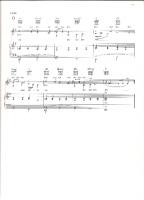
James Taylor
James Vernon Taylor (born March 12, 1948) is an American singer-songwriter and guitarist, born in Boston, Massachusetts, and raised in Carrboro, North Carolina.
Taylor's career began in the mid-1960s, but he found his audience in the early 1970s, singing sensitive and gentle songs. He was part of a wave of singer-songwriters of the time that also included Joni Mitchell, Tom Rush, Cat Stevens, Carole King, John Denver, Jim Croce, Don McLean, Gordon Lightfoot, and Jackson Browne, as well as Carly Simon, whom Taylor later married.
His 1976 album Greatest Hits was certified diamond and has sold more than 11 million copies. He has retained a large audience well into the 1990s and early 2000s, when some of his best-selling and most-awarded albums were released.
Taylor's career began in the mid-1960s, but he found his audience in the early 1970s, singing sensitive and gentle songs. He was part of a wave of singer-songwriters of the time that also included Joni Mitchell, Tom Rush, Cat Stevens, Carole King, John Denver, Jim Croce, Don McLean, Gordon Lightfoot, and Jackson Browne, as well as Carly Simon, whom Taylor later married.
His 1976 album Greatest Hits was certified diamond and has sold more than 11 million copies. He has retained a large audience well into the 1990s and early 2000s, when some of his best-selling and most-awarded albums were released.
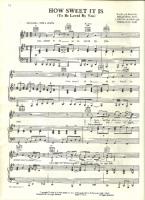
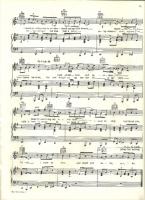
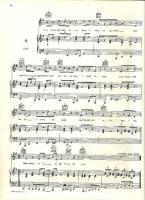
Oscar Peterson
Oscar Emmanuel Peterson, CC, CQ, O.Ont. (August 15, 1925 – December 23, 2007) was a Canadian jazz pianist and composer. He was called the "Maharaja of the keyboard" by Duke Ellington, "O.P." by his friends, and was a member of jazz royalty. He released over 200 recordings, won seven Grammy Awards, and received other numerous awards and honours over the course of his career. He is considered to have been one of the greatest jazz pianists of all time, who played thousands of live concerts to audiences worldwide in a career lasting more than 65 years.
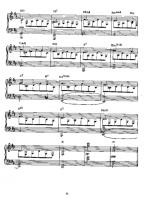
Public Domain
Public Domain is a British electronic music group, whose music includes acid and hard techno elements. They had their biggest hit towards the end of 2000, "Operation Blade (Bass in the Place)", which peaked at No. 5 on the UK Singles Chart and the top 10 in Australia, Austria, Germany and Norway. It sold one million copies internationally. In 2001, they released their only album, Hard Hop Superstars.The original line-up of the group featured James Allan, Mark Sherry and Alistair MacIsaac. Mallorca Lee and David Forbes were added to the group before their chart breakthrough. In 2002, after two further top 40 singles in the form of "Rock Da Funky Beats" (No. 19) and "Too Many MCs" (No. 34), Lee and Forbes both left, and MacIsaac followed them. Neil Skinner joined the line-up.
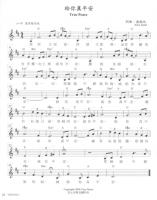
Dvorak
Antonín Leopold Dvořák (September 8, 1841 – May 1, 1904) was a Czech composer of Romantic music, who employed the idioms and melodies of the folk music of his native Bohemia and Moravia. His works include operas, symphonic, choral and chamber music. His best-known works are his New World Symphony (particularly the slow movement), as well as his Slavonic Dances, American String Quartet, and Cello Concerto in B minor.
Dvořák wrote in a variety of forms: his nine symphonies generally stick to classical models that Beethoven would have recognised, but he also worked in the newly developed symphonic poem form and the influence of Richard Wagner is apparent in some works. Many of his works also show the influence of Czech folk music, both in terms of rhythms and melodic shapes; perhaps the best known examples are the two sets of Slavonic Dances. Dvořák also wrote operas (the best known of which is Rusalka); serenades for string orchestra and wind ensemble; chamber music (including a number of string quartets, and quintets); songs; choral music; and piano music.
Dvořák wrote in a variety of forms: his nine symphonies generally stick to classical models that Beethoven would have recognised, but he also worked in the newly developed symphonic poem form and the influence of Richard Wagner is apparent in some works. Many of his works also show the influence of Czech folk music, both in terms of rhythms and melodic shapes; perhaps the best known examples are the two sets of Slavonic Dances. Dvořák also wrote operas (the best known of which is Rusalka); serenades for string orchestra and wind ensemble; chamber music (including a number of string quartets, and quintets); songs; choral music; and piano music.



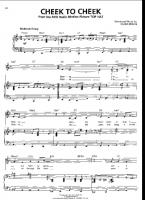
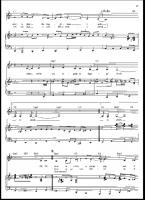
Ella Fitzgerald
Ella Jane Fitzgerald (April 25, 1917 – June 15, 1996) was an American jazz singer sometimes referred to as the First Lady of Song, Queen of Jazz, and Lady Ella. She was noted for her purity of tone, impeccable diction, phrasing, intonation, and a "horn-like" improvisational ability, particularly in her scat singing. After a tumultuous adolescence, Fitzgerald found stability in musical success with the Chick Webb Orchestra, performing across the country but most often associated with the Savoy Ballroom in Harlem. Her rendition of the nursery rhyme "A-Tisket, A-Tasket" helped boost both her and Webb to national fame. After taking over the band when Webb died, Fitzgerald left it behind in 1942 to start her solo career.
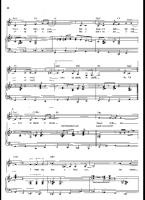
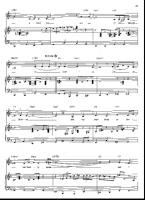
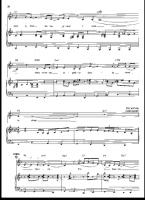
Bach
Johann Sebastian Bach (31 March 1685 – 28 July 1750) was a German composer and organist whose sacred and secular works for choir, orchestra, and solo instruments drew together the strands of the Baroque period and brought it to its ultimate maturity. Although he introduced no new forms, he enriched the prevailing German style with a robust contrapuntal technique, an unrivalled control of harmonic and motivic organisation in composition for diverse musical forces, and the adaptation of rhythms and textures from abroad, particularly Italy and France.
Revered for their intellectual depth and technical and artistic beauty, Bach's works include the Brandenburg concertos; the Goldberg Variations; the English Suites, French Suites, Partitas, and Well-Tempered Clavier; the Mass in B Minor; the St. Matthew Passion; the St. John Passion; The Musical Offering; The Art of Fugue; the Sonatas and Partitas for violin solo; the Cello Suites; more than 200 surviving cantatas; and a similar number of organ works, including the celebrated Toccata and Fugue in D Minor.
While Bach's fame as an organist was great during his lifetime, he was not particularly well-known as a composer. His adherence to Baroque forms and contrapuntal style was considered "old-fashioned" by his contemporaries, especially late in his career when the musical fashion tended towards Rococo and later Classical styles. A revival of interest and performances of his music began early in the 19th century, and he is now widely considered to be one of the greatest composers in the Western tradition.
Revered for their intellectual depth and technical and artistic beauty, Bach's works include the Brandenburg concertos; the Goldberg Variations; the English Suites, French Suites, Partitas, and Well-Tempered Clavier; the Mass in B Minor; the St. Matthew Passion; the St. John Passion; The Musical Offering; The Art of Fugue; the Sonatas and Partitas for violin solo; the Cello Suites; more than 200 surviving cantatas; and a similar number of organ works, including the celebrated Toccata and Fugue in D Minor.
While Bach's fame as an organist was great during his lifetime, he was not particularly well-known as a composer. His adherence to Baroque forms and contrapuntal style was considered "old-fashioned" by his contemporaries, especially late in his career when the musical fashion tended towards Rococo and later Classical styles. A revival of interest and performances of his music began early in the 19th century, and he is now widely considered to be one of the greatest composers in the Western tradition.
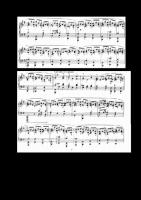
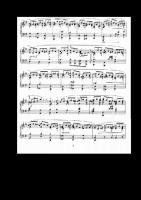
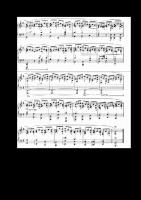
Ariel Ramirez
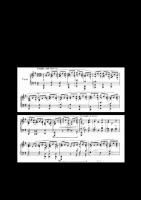
Ariel Ramírez was an Argentine composer, pianist and music director. He was considered "a chief exponent of Argentine folk music" and noted for his "iconic" musical compositions. Ramírez is known primarily for his Misa Criolla. It allowed him to travel around Europe and Latin America to build his reputation
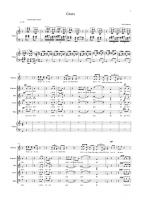
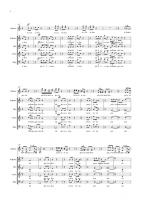
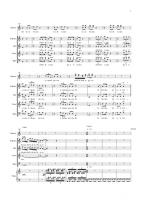
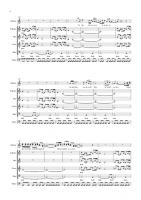
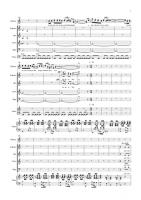
Salvatore Marchesi
Salvatore Marchesi (cavaliere de castrone) Opera artist Visual result of Salvatore Marchesi Date of birth: January 15, 1822, Palermo, Italy Date and place of death: February 20, 1908, Paris, France Books: Twenty Elementary and Progressive Vocalises, Op. 15: Alto

Tyler Versluis
Tyler Versluis is an Ontario-based composer and conductor. His music has been commissioned and performed by a growing list of Canadian ensembles and organizations, including the Winnipeg Symphony Orchestra, Soundstreams, ARRAYmusic, Caution Tape Sound Collective, the Toy Piano Composers, and VIVA! Youth Singers of Toronto. His music is also performed internationally, with premières and repeat performances in the USA, France, the Netherlands, Poland, Slovakia and Lithuania.


Antonin Dvorak
Antonín Leopold Dvořák (English pronunciation: /ˈdvɒrʒɑːk/ DVOR-zhahk or /ˈdvɒrʒæk/ DVOR-zhak; Czech: ( listen); September 8, 1841 – May 1, 1904) was a Czech composer of Romantic music, who employed the idioms of the folk music of Moravia and his native Bohemia. His works include operas, symphonic, choral and chamber music. His best-known works include his New World Symphony, the Slavonic Dances, "American" String Quartet, and Cello Concerto in B minor.
Dvořák wrote in a variety of forms: his nine symphonies generally stick to classical models that Beethoven would have recognised, but he also worked in the newly developed symphonic poem form and the influence of Richard Wagner is apparent in some works. Many of his works also show the influence of Czech folk music, both in terms of rhythms and melodic shapes; perhaps the best known examples are the two sets of Slavonic Dances. Dvořák also wrote operas (of which the best known is Rusalka); serenades for string orchestra and wind ensemble; chamber music (including a number of string quartets, and quintets); songs; choral music; and piano music.
Dvořák wrote in a variety of forms: his nine symphonies generally stick to classical models that Beethoven would have recognised, but he also worked in the newly developed symphonic poem form and the influence of Richard Wagner is apparent in some works. Many of his works also show the influence of Czech folk music, both in terms of rhythms and melodic shapes; perhaps the best known examples are the two sets of Slavonic Dances. Dvořák also wrote operas (of which the best known is Rusalka); serenades for string orchestra and wind ensemble; chamber music (including a number of string quartets, and quintets); songs; choral music; and piano music.
Metal Gear Solid
Metal Gear Solid is a stealth game developed by Konami and released for the PlayStation in 1998. It was directed, produced, and written by Hideo Kojima, and follows the MSX2 video games Metal Gear and Metal Gear 2: Solid Snake, which Kojima also worked on. It was unveiled in the Tokyo Game Show in 1996 and shown in the Electronic Entertainment Expo in 1997.



Ronnie Ball
Ronald Ball (December 22, 1927 – October 1984) was a jazz pianist, composer and arranger, born in Birmingham, England.Ball moved to London in 1948, and in the early 1950s he worked both as a bandleader and under Ronnie Scott, Tony Kinsey, Victor Feldman, and Harry Klein. In 1952 he moved to New York City and studied with Lennie Tristano. At the time it was his ambition to learn more about the American jazz scene and in the 1950s and 1960s he worked extensively with well-known jazz personnel. Among the musicians Ball played with are Chuck Wayne (1952), Dizzy Gillespie, Lee Konitz (1953–55), Kenny Clarke, Hank Mobley, Art Pepper, J.J. Johnson (1956), Kai Winding (1956, 1958), Warne Marsh,(1956–57), Buddy Rich (1958), Gene Krupa (1958), Roy Eldridge (1959) and Chris Connor

Kurt Weill
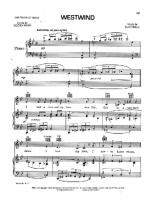
Kurt Julian Weill was a German Jewish composer, active from the 1920s in his native country, and in his later years in the United States. He was a leading composer for the stage who was best known for his fruitful collaborations with Bertolt Brecht.
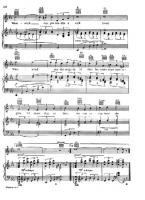
Edwin McCain
Edwin McCain (born January 20, 1970 in Greenville, South Carolina) is an American alternative rock singer-songwriter.
While his albums are released under his name, he does have a permanent band, referred to as the Edwin McCain Band. Members of the band include Larry Chaney, lead guitar; Pete Riley, rhythm guitar and background vocals; Craig Shields, saxophone and keyboards; Manny Yanes, bass guitar; and Peter Alexander, drums.
While his albums are released under his name, he does have a permanent band, referred to as the Edwin McCain Band. Members of the band include Larry Chaney, lead guitar; Pete Riley, rhythm guitar and background vocals; Craig Shields, saxophone and keyboards; Manny Yanes, bass guitar; and Peter Alexander, drums.
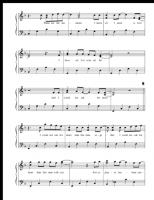
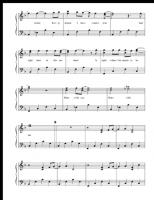
Counting Crows
Counting Crows is a rock band originating from Berkeley, California. The group gained popularity in 1994 following the release of its debut album August and Everything After, which featured the hit single "Mr. Jones". The band's influences include Van Morrison, R.E.M., Nirvana, Bob Dylan, and The Band. They received a 2004 Academy Award nomination for the song "Accidentally in Love".
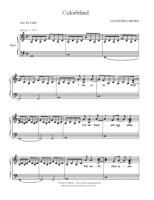
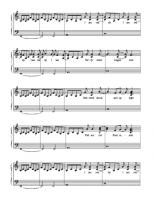
Brahms
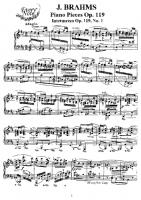
Johannes Brahms (May 7, 1833 â April 3, 1897) was a German composer of the Romantic period. He was born in Hamburg and in his later years he settled in Vienna, Austria.
Brahms maintained a Classical sense of form and order in his works â in contrast to the opulence of the music of many of his contemporaries. Thus many admirers (though not necessarily Brahms himself) saw him as the champion of traditional forms and "pure music," as opposed to the New German embrace of program music.
Brahms venerated Beethoven: in the composer's home, a marble bust of Beethoven looked down on the spot where he composed, and some passages in his works are reminiscent of Beethoven's style. The main theme of the finale of Brahms's First Symphony is reminiscent of the main theme of the finale of Beethoven's Ninth, and when this resemblance was pointed out to Brahms he replied that any ass â jeder Esel â could see that.
Ein deutsches Requiem was partially inspired by his mother's death in 1865, but also incorporates material from a Symphony he started in 1854, but abandoned following Schumann's suicide attempt. He once wrote that the Requiem "belonged to Schumann". The first movement of this abandoned Symphony was re-worked as the first movement of the First Piano Concerto.
Brahms also loved the Classical composers Mozart and Haydn. He collected first editions and autographs of their works, and edited performing editions. He also studied the music of pre-classical composers, including Giovanni Gabrieli, Johann Adolph Hasse, Heinrich Schütz and especially Johann Sebastian Bach. His friends included leading musicologists, and with Friedrich Chrysander he edited an edition of the works of François Couperin. He looked to older music for inspiration in the arts of strict counterpoint; the themes of some of his works are modelled on Baroque sources, such as Bach's The Art of Fugue in the fugal finale of Cello Sonata No. 1, or the same composer's Cantata No. 150 in the passacaglia theme of the Fourth Symphony's finale.
Brahms maintained a Classical sense of form and order in his works â in contrast to the opulence of the music of many of his contemporaries. Thus many admirers (though not necessarily Brahms himself) saw him as the champion of traditional forms and "pure music," as opposed to the New German embrace of program music.
Brahms venerated Beethoven: in the composer's home, a marble bust of Beethoven looked down on the spot where he composed, and some passages in his works are reminiscent of Beethoven's style. The main theme of the finale of Brahms's First Symphony is reminiscent of the main theme of the finale of Beethoven's Ninth, and when this resemblance was pointed out to Brahms he replied that any ass â jeder Esel â could see that.
Ein deutsches Requiem was partially inspired by his mother's death in 1865, but also incorporates material from a Symphony he started in 1854, but abandoned following Schumann's suicide attempt. He once wrote that the Requiem "belonged to Schumann". The first movement of this abandoned Symphony was re-worked as the first movement of the First Piano Concerto.
Brahms also loved the Classical composers Mozart and Haydn. He collected first editions and autographs of their works, and edited performing editions. He also studied the music of pre-classical composers, including Giovanni Gabrieli, Johann Adolph Hasse, Heinrich Schütz and especially Johann Sebastian Bach. His friends included leading musicologists, and with Friedrich Chrysander he edited an edition of the works of François Couperin. He looked to older music for inspiration in the arts of strict counterpoint; the themes of some of his works are modelled on Baroque sources, such as Bach's The Art of Fugue in the fugal finale of Cello Sonata No. 1, or the same composer's Cantata No. 150 in the passacaglia theme of the Fourth Symphony's finale.
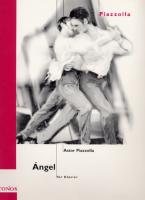
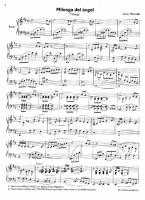
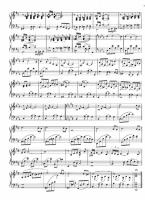
Astor Piazzola
Astor Pantaleón Piazzolla (Spanish pronunciation: , Italian pronunciation: ; March 11, 1921 – July 4, 1992) was an Argentine tango composer, bandoneon player, and arranger. His oeuvre revolutionized the traditional tango into a new style termed nuevo tango, incorporating elements from jazz and classical music. A virtuoso bandoneonist, he regularly performed his own compositions with a variety of ensembles.
In 1992, American music critic Stephen Holden described Piazzolla as "the world's foremost composer of tango music"
In 1992, American music critic Stephen Holden described Piazzolla as "the world's foremost composer of tango music"
Mariah Carey
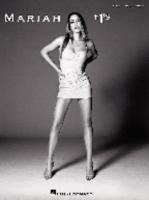
Mariah Carey (born March 27, 1970) is an American singer, songwriter, record producer, and actress. She made her recording debut in 1990 under the guidance of Columbia Records executive Tommy Mottola, and became the first recording artist to have her first five singles top the U.S. Billboard Hot 100 chart. Following her marriage to Mottola in 1993, a series of hit records established her position as Columbia's highest-selling act. According to Billboard magazine, she was the most successful artist of the 1990s in the United States.
Following her separation from Mottola in 1997, Carey introduced elements of hip hop into her album work, to much initial success, but her popularity was in decline when she left Columbia in 2001, and she was dropped by Virgin Records the following year after a highly publicized physical and emotional breakdown, as well as the poor reception given to Glitter, her film and soundtrack project. In 2002, Carey signed with Island Records, and after a relatively unsuccessful period, she returned to pop music in 2005.
Carey was named the best-selling female pop artist of the millennium at the 2000 World Music Awards. She has had the most number-one singles for a solo artist in the United States (eighteen; second artist overall behind The Beatles), where, according to the Recording Industry Association of America, she is the third best-selling female and sixteenth overall recording artist. In addition to her commercial accomplishments, Carey has earned five Grammy Awards, and is well-known for her vocal range, power, melismatic style, and use of the whistle register.
Following her separation from Mottola in 1997, Carey introduced elements of hip hop into her album work, to much initial success, but her popularity was in decline when she left Columbia in 2001, and she was dropped by Virgin Records the following year after a highly publicized physical and emotional breakdown, as well as the poor reception given to Glitter, her film and soundtrack project. In 2002, Carey signed with Island Records, and after a relatively unsuccessful period, she returned to pop music in 2005.
Carey was named the best-selling female pop artist of the millennium at the 2000 World Music Awards. She has had the most number-one singles for a solo artist in the United States (eighteen; second artist overall behind The Beatles), where, according to the Recording Industry Association of America, she is the third best-selling female and sixteenth overall recording artist. In addition to her commercial accomplishments, Carey has earned five Grammy Awards, and is well-known for her vocal range, power, melismatic style, and use of the whistle register.
Henry Purcell
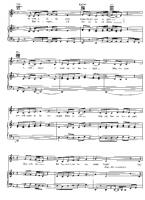
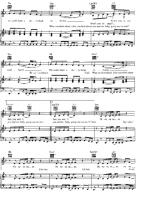
Henry Purcell (pronounced /ˈpɜrsəl/; 10 September 1659 (?) – 21 November 1695), was an English organist and Baroque composer of secular and sacred music. Although Purcell incorporated Italian and French stylistic elements into his compositions, his legacy was a uniquely English form of Baroque music.





Monteverdi
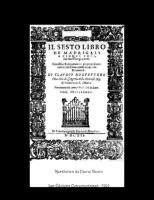
Claudio Giovanni Antonio Monteverdi (May 15, 1567 (baptized) â November 29, 1643), was an Italian composer, gambist, and singer.
Monteverdi's work, often regarded as revolutionary, marked the transition from the music of the Renaissance to that of the Baroque. Enjoying fame in his lifetime, he wrote one of the earliest operas, L'Orfeo, which is still regularly performed.
Monteverdi composed at least eighteen operas, but only L'Orfeo, L'incoronazione di Poppea, Il ritorno d'Ulisse in patria and the famous aria, Lamento, from his second opera L'Arianna have survived. From monody (with melodic lines, intelligible text and placid accompanying music), it was a logical step for Monteverdi to begin composing opera, especially for a dramatically inclined composer who loved grand effect. In 1607, the premiere of his first opera, L'Orfeo, took place in Mantua. It was normal at that time for composers to create works on demand for special occasions, and this piece was part of the ducal celebrations of carnival. (Monteverdi was later to write for the first opera houses supported by ticket sales which opened in Venice). L'Orfeo has dramatic power and lively orchestration and is arguably the first example of a composer assigning specific instruments to parts in operas. It is also one of the first large compositions in which the exact instrumentation of the premiere has come down to us.
Monteverdi's work, often regarded as revolutionary, marked the transition from the music of the Renaissance to that of the Baroque. Enjoying fame in his lifetime, he wrote one of the earliest operas, L'Orfeo, which is still regularly performed.
Monteverdi composed at least eighteen operas, but only L'Orfeo, L'incoronazione di Poppea, Il ritorno d'Ulisse in patria and the famous aria, Lamento, from his second opera L'Arianna have survived. From monody (with melodic lines, intelligible text and placid accompanying music), it was a logical step for Monteverdi to begin composing opera, especially for a dramatically inclined composer who loved grand effect. In 1607, the premiere of his first opera, L'Orfeo, took place in Mantua. It was normal at that time for composers to create works on demand for special occasions, and this piece was part of the ducal celebrations of carnival. (Monteverdi was later to write for the first opera houses supported by ticket sales which opened in Venice). L'Orfeo has dramatic power and lively orchestration and is arguably the first example of a composer assigning specific instruments to parts in operas. It is also one of the first large compositions in which the exact instrumentation of the premiere has come down to us.


J. S. Bach
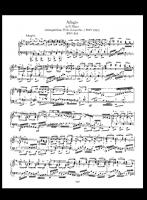
Johann Sebastian Bach (21 March 1685, O.S.31 March 1685, N.S. – 28 July 1750, N.S.) was a German composer, organist, harpsichordist, violist, and violinist whose sacred and secular works for choir, orchestra, and solo instruments drew together the strands of the Baroque period and brought it to its ultimate maturity. Although he did not introduce new forms, he enriched the prevailing German style with a robust contrapuntal technique, an unrivalled control of harmonic and motivic organisation, and the adaptation of rhythms, forms and textures from abroad, particularly from Italy and France.
Revered for their intellectual depth, technical command and artistic beauty, Bach's works include the Brandenburg Concertos, the Goldberg Variations, the Partitas, The Well-Tempered Clavier, the Mass in B minor, the St Matthew Passion, the St John Passion, the Magnificat, A Musical Offering, The Art of Fugue, the English and French Suites, the Sonatas and Partitas for solo violin, the Cello Suites, more than 200 surviving cantatas, and a similar number of organ works, including the famous Toccata and Fugue in D minor and Passacaglia and Fugue in C minor, as well as the Great Eighteen Chorale Preludes and Organ Mass.
Bach's abilities as an organist were highly respected throughout Europe during his lifetime, although he was not widely recognised as a great composer until a revival of interest and performances of his music in the first half of the 19th century. He is now generally regarded as one of the main composers of the Baroque style, and as one of the greatest composers of all time.
Revered for their intellectual depth, technical command and artistic beauty, Bach's works include the Brandenburg Concertos, the Goldberg Variations, the Partitas, The Well-Tempered Clavier, the Mass in B minor, the St Matthew Passion, the St John Passion, the Magnificat, A Musical Offering, The Art of Fugue, the English and French Suites, the Sonatas and Partitas for solo violin, the Cello Suites, more than 200 surviving cantatas, and a similar number of organ works, including the famous Toccata and Fugue in D minor and Passacaglia and Fugue in C minor, as well as the Great Eighteen Chorale Preludes and Organ Mass.
Bach's abilities as an organist were highly respected throughout Europe during his lifetime, although he was not widely recognised as a great composer until a revival of interest and performances of his music in the first half of the 19th century. He is now generally regarded as one of the main composers of the Baroque style, and as one of the greatest composers of all time.
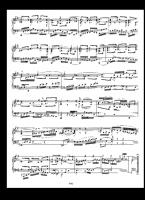
The Corrs
The Corrs are a Celtic folk rock group from Dundalk, County Louth, Ireland. The group consists of the Corr siblings: Andrea (vocals, tin whistle); Sharon (violin, vocals); Caroline (drums, percussion, bodhrán, vocals); and Jim (guitar, keyboards, vocals).
The Corrs came to international prominence with their performance at the 1996 Summer Olympics in Atlanta, Georgia. Since then, they have released five studio albums and numerous singles, which have reached platinum in many countries. Talk on Corners, their most successful album to date, reached multi-platinum status in Australia and the UK.
The Corrs have been actively involved in philanthropic activities. They have performed in numerous charity concerts such as the Prince's Trust in 2004 and Live 8 alongside Bono in 2005. The same year, they were awarded honorary MBEs for their contributions to music and charity. The Corrs are on hiatus because Sharon, Jim, and Caroline are raising families, while Andrea is pursuing a solo career.
The Corrs came to international prominence with their performance at the 1996 Summer Olympics in Atlanta, Georgia. Since then, they have released five studio albums and numerous singles, which have reached platinum in many countries. Talk on Corners, their most successful album to date, reached multi-platinum status in Australia and the UK.
The Corrs have been actively involved in philanthropic activities. They have performed in numerous charity concerts such as the Prince's Trust in 2004 and Live 8 alongside Bono in 2005. The same year, they were awarded honorary MBEs for their contributions to music and charity. The Corrs are on hiatus because Sharon, Jim, and Caroline are raising families, while Andrea is pursuing a solo career.
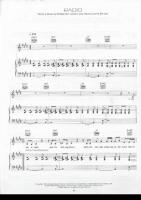
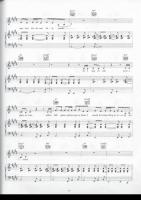
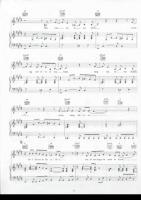
Search for Free Sheet Music
You can make a search through the entire collection of sheets.
You can make a search through the entire collection of sheets.