
Piano Sheet Music
 "... everyone was using tiny brushes and doing watercolors, while Jimi Hendrix was painting galactic scenes in Cinemascope. We are working in a field of mystical resonance, sound and vibration... that's what makes people cry, laugh and feel their hair stand up ..." Carlos Santana
Mozart
Wolfgang Amadeus Mozart, full name Johann Chrysostom Wolfgang Amadeus Mozart (27 January 1756 â 5 December 1791) was a prolific and influential composer of the Classical era. His over 600 compositions include works widely acknowledged as pinnacles of symphonic, concertante, chamber, piano, operatic, and choral music. Mozart is among the most enduringly popular of classical composers, and many of his works are part of the standard concert repertoire.
Mozart's music, like Haydn's, stands as an archetypal example of the Classical style. His works spanned the period during which that style transformed from one exemplified by the style galant to one that began to incorporate some of the contrapuntal complexities of the late Baroque, complexities against which the galant style had been a reaction. Mozart's own stylistic development closely paralleled the development of the classical style as a whole. In addition, he was a versatile composer and wrote in almost every major genre, including symphony, opera, the solo concerto, chamber music including string quartet and string quintet, and the piano sonata. While none of these genres were new, the piano concerto was almost single-handedly developed and popularized by Mozart. He also wrote a great deal of religious music, including masses; and he composed many dances, divertimenti, serenades, and other forms of light entertainment.
The central traits of the classical style can be identified in Mozart's music. Clarity, balance, and transparency are hallmarks of his work.
Mozart's music, like Haydn's, stands as an archetypal example of the Classical style. His works spanned the period during which that style transformed from one exemplified by the style galant to one that began to incorporate some of the contrapuntal complexities of the late Baroque, complexities against which the galant style had been a reaction. Mozart's own stylistic development closely paralleled the development of the classical style as a whole. In addition, he was a versatile composer and wrote in almost every major genre, including symphony, opera, the solo concerto, chamber music including string quartet and string quintet, and the piano sonata. While none of these genres were new, the piano concerto was almost single-handedly developed and popularized by Mozart. He also wrote a great deal of religious music, including masses; and he composed many dances, divertimenti, serenades, and other forms of light entertainment.
The central traits of the classical style can be identified in Mozart's music. Clarity, balance, and transparency are hallmarks of his work.
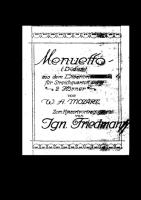
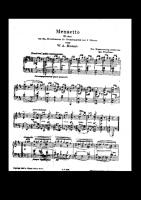
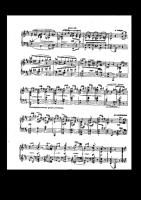
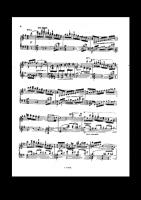
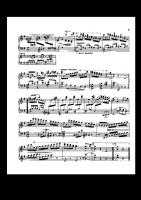
S. Y. Ramos
S. Y. Ramos composer.





Stone Sour
Stone Sour is an American rock band formed in Des Moines, Iowa, in 1992. The band performed for five years before disbanding in 1997. They reunited in 2000 and since 2015, the group has consisted of Corey Taylor, Josh Rand, Christian Martucci, Johny Chow and Roy Mayorga.





Yasuroni Mitsuda
Yasunori Mitsuda is a Japanese composer, musician, and sound producer. He is best known for his work in video games, primarily for the Chrono, Xeno, Shadow Hearts, and Inazuma Eleven franchises, among various others.




Astor Piazzolla
Ástor Pantaleón Piazzolla (March 11, 1921 – July 4, 1992) was an Argentine tango composer and bandoneón player. His oeuvre revolutionized the traditional tango into a new style termed nuevo tango, incorporating elements from jazz and classical music. An excellent bandoneonist, he regularly performed his own compositions with different ensembles.
Piazzolla's nuevo tango was distinct from the traditional tango in its incorporation of elements of jazz, its use of extended harmonies and dissonance, its use of counterpoint, and its ventures into extended compositional forms. As Argentine psychoanalyst Carlos Kuri has pointed out, Piazzolla's fusion of tango with this wide range of other recognizable Western musical elements was so successful that it produced a new individual style transcending these influences. It is precisely this success, and individuality, that makes it hard to pin down where particular influences reside in his compositions, but some aspects are clear. The use of the passacaglia technique of a circulating bass line and harmonic sequence, invented and much used in 17th and 18th century baroque music but also central to the idea of jazz "changes", predominates in most of Piazzolla's mature compositions. Another clear reference to the baroque is the often complex and virtuosic counterpoint that sometimes follows strict fugal behavior but more often simply allows each performer in the group to assert his voice. A further technique that emphasises this sense of democracy and freedom among the musicians is improvisation that is borrowed from jazz in concept, but in practice involves a different vocabulary of scales and rhythms that stay within the parameters of the established tango sound-world. Pablo Ziegler has been particularly responsible for developing this aspect of the style both within Piazzolla's groups and since the composer's death.
Piazzolla's nuevo tango was distinct from the traditional tango in its incorporation of elements of jazz, its use of extended harmonies and dissonance, its use of counterpoint, and its ventures into extended compositional forms. As Argentine psychoanalyst Carlos Kuri has pointed out, Piazzolla's fusion of tango with this wide range of other recognizable Western musical elements was so successful that it produced a new individual style transcending these influences. It is precisely this success, and individuality, that makes it hard to pin down where particular influences reside in his compositions, but some aspects are clear. The use of the passacaglia technique of a circulating bass line and harmonic sequence, invented and much used in 17th and 18th century baroque music but also central to the idea of jazz "changes", predominates in most of Piazzolla's mature compositions. Another clear reference to the baroque is the often complex and virtuosic counterpoint that sometimes follows strict fugal behavior but more often simply allows each performer in the group to assert his voice. A further technique that emphasises this sense of democracy and freedom among the musicians is improvisation that is borrowed from jazz in concept, but in practice involves a different vocabulary of scales and rhythms that stay within the parameters of the established tango sound-world. Pablo Ziegler has been particularly responsible for developing this aspect of the style both within Piazzolla's groups and since the composer's death.



Seymour Simons
Seymour Simons was an American pianist, composer, orchestra leader, and radio producer. Simons was originally trained in engineering and went to work as a research engineer at a Detroit motor plant, ...
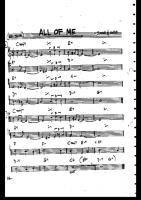
Cole Porter
Cole Albert Porter (June 9, 1891 – October 15, 1964) was an American composer and songwriter. His works include the musical comedies Kiss Me, Kate, Fifty Million Frenchmen, DuBarry Was a Lady and Anything Goes, as well as songs like "Night and Day", "I Get a Kick out of You", "Well, Did You Evah!" and "I've Got You Under My Skin". He was noted for his sophisticated, bawdy lyrics, clever rhymes and complex forms. Porter was one of the greatest contributors to the Great American Songbook. Cole Porter is one of the few Tin Pan Alley composers to have written both the lyrics and the music for his songs.
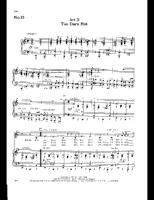
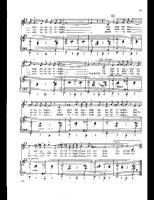
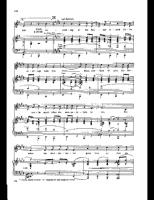
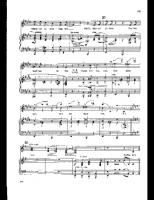
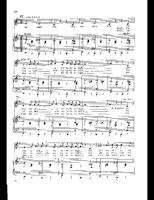
Eric Whitacre
Eric Edward Whitacre (born January 2, 1970) is an American composer, conductor, and speaker known for his choral, orchestral, and wind ensemble music. In March 2016, he was appointed as Los Angeles Master Chorale's first artist-in-residence at the Walt Disney Concert Hall.

Gloria Gaynor
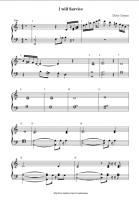
Gloria Gaynor (born Gloria Fowles September 7, 1949) is an American singer, best-known for the disco era hits "I Will Survive" (Hot 100 #1, 1979), "Never Can Say Goodbye" (Hot 100 #9, 1974), "Let Me Know (I Have A Right)" (Hot 100 #42, 1980) and "I Am What I Am" (Hot 100 #82, 1983). She was born in Newark, New Jersey.
Gloria began to revive her career worldwide with the aggressive revival of disco beginning in the early to mid 1990's. During the late 1990s, she dabbled in acting for a while, guest starring on The Wayans Bros, That '70s Show, and Ally McBeal before doing a limited engagement performance in Broadway's Smokey Joe's Cafe.
After almost 30 years of its release, Gaynor continues to ride the success of "I Will Survive", touring the country and the world over and performing her signature song on dozens of TV shows.
Gloria began to revive her career worldwide with the aggressive revival of disco beginning in the early to mid 1990's. During the late 1990s, she dabbled in acting for a while, guest starring on The Wayans Bros, That '70s Show, and Ally McBeal before doing a limited engagement performance in Broadway's Smokey Joe's Cafe.
After almost 30 years of its release, Gaynor continues to ride the success of "I Will Survive", touring the country and the world over and performing her signature song on dozens of TV shows.
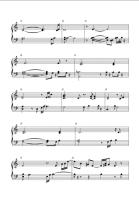
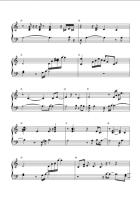
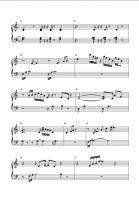
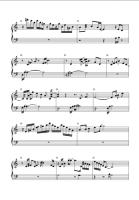
Traditional
traditional music
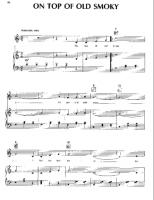
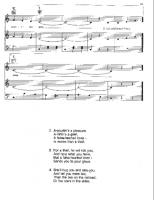
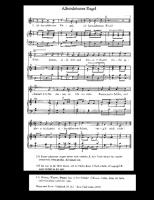
Huub de Lange
Huub de Lange was born in 1955, in Groningen, the Netherlands. He lives in Vinkeveen, a village near Amsterdam. Except for a Stabat Mater, his recent works include a Requiem, a Magnificat, a Missa Brevis, as well as choral partsongs (both in English and in German). You can find a list of his choral works at



Garou
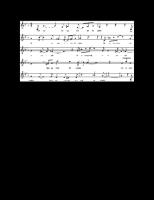
Pierre Garand, known by his stage name Garou, is a Canadian singer and entertainer from Sherbrooke, Québec. He is known for his work in the musical Notre-Dame de Paris and the No. 1 hits "Belle", "Seul", "Sous le vent", and "La Rivière de notre enfance".
Schumann
Robert Schumann, sometimes given as Robert Alexander Schumann, (June 8, 1810 – July 29, 1856) was a German composer, aesthete and influential music critic. He is one of the most famous Romantic composers of the 19th century.
He had hoped to pursue a career as a virtuoso pianist, having been assured by his teacher Friedrich Wieck that he could become the finest pianist in Europe after only a few years of study with him. However, a hand injury prevented those hopes from being realized, and he decided to focus his musical energies on composition. Schumann's published compositions were, until 1840, all for the piano; he later composed works for piano and orchestra, many lieder (songs for voice and piano), four symphonies, an opera, and other orchestral, choral and chamber works. His writings about music appeared mostly in the Neue Zeitschrift für Musik ("The New Journal for Music"), a Leipzig-based publication that he jointly founded.
In 1840, after a long and acrimonious legal battle with his piano instructor Friedrich Wieck, Schumann married Wieck's daughter, pianist Clara Wieck, a considerable figure of the Romantic period in her own right. Clara Wieck showcased many works by her husband as well. For the last two years of his life, after an attempted suicide, Schumann was confined to a mental institution.
He had hoped to pursue a career as a virtuoso pianist, having been assured by his teacher Friedrich Wieck that he could become the finest pianist in Europe after only a few years of study with him. However, a hand injury prevented those hopes from being realized, and he decided to focus his musical energies on composition. Schumann's published compositions were, until 1840, all for the piano; he later composed works for piano and orchestra, many lieder (songs for voice and piano), four symphonies, an opera, and other orchestral, choral and chamber works. His writings about music appeared mostly in the Neue Zeitschrift für Musik ("The New Journal for Music"), a Leipzig-based publication that he jointly founded.
In 1840, after a long and acrimonious legal battle with his piano instructor Friedrich Wieck, Schumann married Wieck's daughter, pianist Clara Wieck, a considerable figure of the Romantic period in her own right. Clara Wieck showcased many works by her husband as well. For the last two years of his life, after an attempted suicide, Schumann was confined to a mental institution.
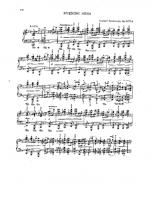
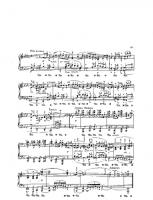
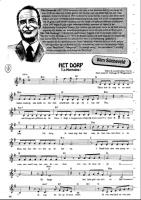
Wim Sonneveld
Willem "Wim" Sonneveld was a Dutch cabaret artist and singer. Together with Toon Hermans and Wim Kan, he is considered to be one of the 'Great Three' of Dutch cabaret. Sonneveld is generally viewed as a Dutch cultural icon for his work and legacy in theatre, musicals and music.

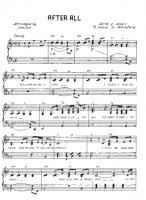
Peter Cetera
Peter Paul Cetera (/səˈtɛrə/ sə-TERR-ə; born September 13, 1944) is an American singer, songwriter, and bassist best known for being an original member of the rock band Chicago (1967–1985), before launching a successful solo career. His career as a recording artist encompasses seventeen albums with Chicago and eight solo albums.
With "If You Leave Me Now", a song written and sung by Cetera on the group's tenth album, Chicago garnered its first Grammy Award. It was also the group's first number one single
With "If You Leave Me Now", a song written and sung by Cetera on the group's tenth album, Chicago garnered its first Grammy Award. It was also the group's first number one single
Brahms
Johannes Brahms (May 7, 1833 â April 3, 1897) was a German composer of the Romantic period. He was born in Hamburg and in his later years he settled in Vienna, Austria.
Brahms maintained a Classical sense of form and order in his works â in contrast to the opulence of the music of many of his contemporaries. Thus many admirers (though not necessarily Brahms himself) saw him as the champion of traditional forms and "pure music," as opposed to the New German embrace of program music.
Brahms venerated Beethoven: in the composer's home, a marble bust of Beethoven looked down on the spot where he composed, and some passages in his works are reminiscent of Beethoven's style. The main theme of the finale of Brahms's First Symphony is reminiscent of the main theme of the finale of Beethoven's Ninth, and when this resemblance was pointed out to Brahms he replied that any ass â jeder Esel â could see that.
Ein deutsches Requiem was partially inspired by his mother's death in 1865, but also incorporates material from a Symphony he started in 1854, but abandoned following Schumann's suicide attempt. He once wrote that the Requiem "belonged to Schumann". The first movement of this abandoned Symphony was re-worked as the first movement of the First Piano Concerto.
Brahms also loved the Classical composers Mozart and Haydn. He collected first editions and autographs of their works, and edited performing editions. He also studied the music of pre-classical composers, including Giovanni Gabrieli, Johann Adolph Hasse, Heinrich Schütz and especially Johann Sebastian Bach. His friends included leading musicologists, and with Friedrich Chrysander he edited an edition of the works of François Couperin. He looked to older music for inspiration in the arts of strict counterpoint; the themes of some of his works are modelled on Baroque sources, such as Bach's The Art of Fugue in the fugal finale of Cello Sonata No. 1, or the same composer's Cantata No. 150 in the passacaglia theme of the Fourth Symphony's finale.
Brahms maintained a Classical sense of form and order in his works â in contrast to the opulence of the music of many of his contemporaries. Thus many admirers (though not necessarily Brahms himself) saw him as the champion of traditional forms and "pure music," as opposed to the New German embrace of program music.
Brahms venerated Beethoven: in the composer's home, a marble bust of Beethoven looked down on the spot where he composed, and some passages in his works are reminiscent of Beethoven's style. The main theme of the finale of Brahms's First Symphony is reminiscent of the main theme of the finale of Beethoven's Ninth, and when this resemblance was pointed out to Brahms he replied that any ass â jeder Esel â could see that.
Ein deutsches Requiem was partially inspired by his mother's death in 1865, but also incorporates material from a Symphony he started in 1854, but abandoned following Schumann's suicide attempt. He once wrote that the Requiem "belonged to Schumann". The first movement of this abandoned Symphony was re-worked as the first movement of the First Piano Concerto.
Brahms also loved the Classical composers Mozart and Haydn. He collected first editions and autographs of their works, and edited performing editions. He also studied the music of pre-classical composers, including Giovanni Gabrieli, Johann Adolph Hasse, Heinrich Schütz and especially Johann Sebastian Bach. His friends included leading musicologists, and with Friedrich Chrysander he edited an edition of the works of François Couperin. He looked to older music for inspiration in the arts of strict counterpoint; the themes of some of his works are modelled on Baroque sources, such as Bach's The Art of Fugue in the fugal finale of Cello Sonata No. 1, or the same composer's Cantata No. 150 in the passacaglia theme of the Fourth Symphony's finale.
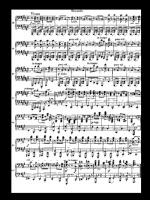
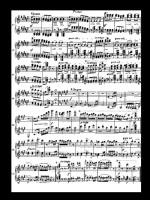
billy cobham
William Emanuel Cobham Jr. (born May 16, 1944) is a Panamanian-American jazz drummer who came to prominence in the late 1960s and early 1970s with trumpeter Miles Davis and then with the Mahavishnu Orchestra. According to AllMusic's reviewer, Cobham is "generally acclaimed as fusion's greatest drummer".
He was inducted into the Modern Drummer Hall of Fame in 1987 and the Classic Drummer Hall of Fame in 2013.
He was inducted into the Modern Drummer Hall of Fame in 1987 and the Classic Drummer Hall of Fame in 2013.
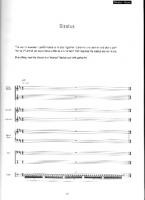
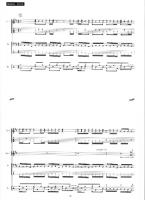
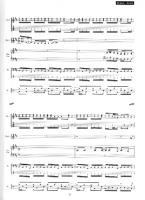
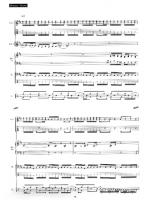
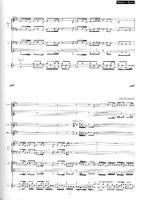
Ryan Kisor
Ryan Kisor is an American jazz trumpeter. A native of Sioux City, Iowa, Kisor learned trumpet from his father, Larry Kisor, and started playing in a local dance band at age ten. Kisor began classical trumpet lessons at age 12, met Clark Terry when he was 15, and played with all-star high school bands.



Dream Theater
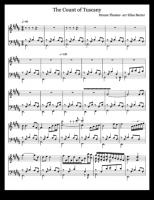
Dream Theater is an American progressive metal band formed in 1985 under the name Majesty by John Petrucci, John Myung, and Mike Portnoy while they attended Berklee College of Music in Massachusetts, before they dropped out to support the band. Though a number of lineup changes followed, the three original members remain today along with James LaBrie and Jordan Rudess.
Dream Theater has become a successful progressive metal band. Although the band has had one successful hit ("Pull Me Under" in 1992, which received extensive MTV rotation), they have remained relatively out of the mainstream.
The band is well known for the technical proficiency of its instrumentalists, who have won many awards from music instruction magazines. Dream Theater's members have collaborated with many other notable musicians. Guitarist John Petrucci has been named as the third player on the G3 tour six times, more than any other invited guitarist, following in the footsteps of Eric Johnson and Robert Fripp. Drummer Mike Portnoy has won 23 awards from Modern Drummer Magazine and is also the second youngest person (at the age of 37) to be inducted into the Rock Drummer Hall of Fame.
The band's highest selling album is the gold selling Images and Words (1992), which reached #61 on the Billboard 200 charts. Both the 1994 release Awake and their 2002 release Six Degrees of Inner Turbulence also entered the charts at #32 and #46 respectively and received mostly positive reviews. Six Degrees of Inner Turbulence also led to Dream Theater becoming the initial band reviewed in the Music Section of Entertainment Weekly during its opening week of release, despite the magazine generally preferring more mainstream music. In 2007, Systematic Chaos entered US Billboard 200 at #19. Dream Theater has sold over two million albums in the U.S., and over 8 million records worldwide. The band's tenth studio album, Black Clouds & Silver Linings, was released on June 23, 2009. It entered the US Billboard 200 at #6 and Eurochart Hot 100 at #1, marking their highest entry on either chart. Currently the musician and writer Jose Aranda is writing a doctoral thesis book about Dream Theater and the meaning of music.
Dream Theater has become a successful progressive metal band. Although the band has had one successful hit ("Pull Me Under" in 1992, which received extensive MTV rotation), they have remained relatively out of the mainstream.
The band is well known for the technical proficiency of its instrumentalists, who have won many awards from music instruction magazines. Dream Theater's members have collaborated with many other notable musicians. Guitarist John Petrucci has been named as the third player on the G3 tour six times, more than any other invited guitarist, following in the footsteps of Eric Johnson and Robert Fripp. Drummer Mike Portnoy has won 23 awards from Modern Drummer Magazine and is also the second youngest person (at the age of 37) to be inducted into the Rock Drummer Hall of Fame.
The band's highest selling album is the gold selling Images and Words (1992), which reached #61 on the Billboard 200 charts. Both the 1994 release Awake and their 2002 release Six Degrees of Inner Turbulence also entered the charts at #32 and #46 respectively and received mostly positive reviews. Six Degrees of Inner Turbulence also led to Dream Theater becoming the initial band reviewed in the Music Section of Entertainment Weekly during its opening week of release, despite the magazine generally preferring more mainstream music. In 2007, Systematic Chaos entered US Billboard 200 at #19. Dream Theater has sold over two million albums in the U.S., and over 8 million records worldwide. The band's tenth studio album, Black Clouds & Silver Linings, was released on June 23, 2009. It entered the US Billboard 200 at #6 and Eurochart Hot 100 at #1, marking their highest entry on either chart. Currently the musician and writer Jose Aranda is writing a doctoral thesis book about Dream Theater and the meaning of music.
Evanescence
Evanescence is an American rock band founded in Little Rock, Arkansas in 1995 by singer/pianist Amy Lee and guitarist Ben Moody.
After recording two private EPs and a demo CD named Origin, with the help of Bigwig Enterprises in 2000, the band released their first full-length album, Fallen, on Wind-up Records in 2003. Fallen sold more than 15 million copies worldwide and helped the band win two Grammy Awards. A year later, Evanescence released their first live album, Anywhere but Home, which sold more than one million copies worldwide. In 2006, the band released their second studio album, The Open Door, which has sold more than four million copies.
The band has suffered several line-up changes, including co-founder Moody leaving in 2003, followed by guitarist John LeCompt and drummer Rocky Gray in 2007. Lee is now the only original member of Evanescence remaining in the band.
After recording two private EPs and a demo CD named Origin, with the help of Bigwig Enterprises in 2000, the band released their first full-length album, Fallen, on Wind-up Records in 2003. Fallen sold more than 15 million copies worldwide and helped the band win two Grammy Awards. A year later, Evanescence released their first live album, Anywhere but Home, which sold more than one million copies worldwide. In 2006, the band released their second studio album, The Open Door, which has sold more than four million copies.
The band has suffered several line-up changes, including co-founder Moody leaving in 2003, followed by guitarist John LeCompt and drummer Rocky Gray in 2007. Lee is now the only original member of Evanescence remaining in the band.





Cab Calloway
Cabell "Cab" Calloway III (December 25, 1907 – November 18, 1994) was an American jazz singer, dancer, bandleader and actor. He was associated with the Cotton Club in Harlem, where he was a regular performer and became a popular vocalist of the swing era. His niche of mixing jazz and vaudeville won him acclaim during a career that spanned over 65 years.
Calloway was a master of energetic scat singing and led one of the most popular big bands in the United States from the early 1930s to the late 1940s. His band included trumpeters Dizzy Gillespie, Jonah Jones, and Adolphus "Doc" Cheatham, saxophonists Ben Webster and Leon "Chu" Berry, guitarist Danny Barker, bassist Milt Hinton, and drummer Cozy Cole.
Calloway was a master of energetic scat singing and led one of the most popular big bands in the United States from the early 1930s to the late 1940s. His band included trumpeters Dizzy Gillespie, Jonah Jones, and Adolphus "Doc" Cheatham, saxophonists Ben Webster and Leon "Chu" Berry, guitarist Danny Barker, bassist Milt Hinton, and drummer Cozy Cole.
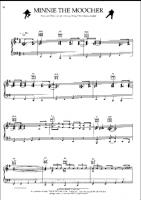
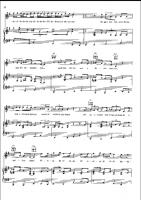
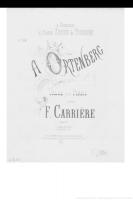
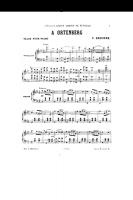
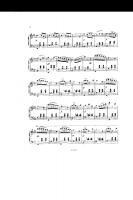
Carriere, F
Carriere, F Arranger, Composer.
Jamey Aebersold
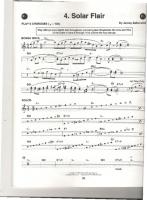
Jamey Aebersold (born July 21, 1939 in New Albany, Indiana) is an American jazz saxophonist and music educator. His "Play-A-Long" series of instructional book and CD collections, using the chord-scale system, the first of which was released in 1967, are an internationally renowned resource for jazz education. As of 2009, 126 of these collections have been published by Aebersold, who currently teaches musical improvisation at the University of Louisville. He is also an adept pianist, bassist, and banjoist.
Hoang Vie




Erik Satie
Éric Alfred Leslie Satie, who signed his name Erik Satie after 1884, was a French composer and pianist. Satie was an influential artist in the late 19th- and early 20th-century Parisian avant-garde.



Jo Privat
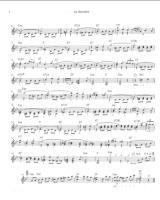
Jo Privat was a French accordionist and composer. Privat was born at Ménilmontant, Paris. He played for many years at Balajo, a musette club in Paris where he worked with Django Reinhardt, the Ferret Brothers, Didier Roussin and Patrick Saussois.

Bryan Adams
Bryan Adams (born Bryan Guy Adams on November 5, 1959) is Grammy Award-winning Canadian singer-songwriter. As of 2008, Adams has released eleven studio albums and 16 albums overall. He has been nominated for 3 Academy Awards and 5 Golden Globes for song writing in motion pictures.
Adams is a Grammy Award-winning Canadian singer-songwriter. Adams' career was launched with his 1980 debut album Bryan Adams, a rock album that garned limited success. His fourth album Reckless was released in 1984 with sales more then five million copies sold in the United States. In 1991, he released Waking Up the Neighbours which debuted at number one on several national music charts. The album reached sales of more than 10 million units worldwide, which 3 million copies was sold in the United States.
Adams is a Grammy Award-winning Canadian singer-songwriter. Adams' career was launched with his 1980 debut album Bryan Adams, a rock album that garned limited success. His fourth album Reckless was released in 1984 with sales more then five million copies sold in the United States. In 1991, he released Waking Up the Neighbours which debuted at number one on several national music charts. The album reached sales of more than 10 million units worldwide, which 3 million copies was sold in the United States.


Carter Burwell
Carter Burwell (born November 18, 1955) is an American composer of film scores.
Burwell was born in New York City. He graduated from King School in Stamford, Connecticut, and Harvard College.
As a film composer, Burwell has had a long working relationship with the Coen Brothers, providing music for every film they have made (except for O Brother, Where Art Thou?, where he simply provided additional music to a score primarily composed by T Bone Burnett). He enjoys working with left-field directors and has also scored Spike Jonze's films. Among his best known film scores are And the Band Played On (1993), Conspiracy Theory (1997), Hamlet (2000), The Spanish Prisoner (1997), Before the Devil Knows You're Dead (2007), In Bruges (2008) and Twilight (2008).
Burwell, like many composers, studied piano. Starting lessons when he was 7, he studied Mozart mostly, but eventually quit.
In April 2005, Burwell composed and conducted music, performed by The Parabola Ensemble, for the plays "Sawbones" written and directed by the Coen Brothers, "Hope Leaves the Theater" written and directed by Charlie Kaufman and "Anomalisa" written and directed by Francis Fregoli. This was a segment of the sound-only production Theater of the New Ear, which debuted at St. Ann's Warehouse in Brooklyn, NY with support from Sirius Satellite Radio, United Talent Agency and Sony Pictures.
Burwell married Christine Sciulli in 1999.
Burwell was born in New York City. He graduated from King School in Stamford, Connecticut, and Harvard College.
As a film composer, Burwell has had a long working relationship with the Coen Brothers, providing music for every film they have made (except for O Brother, Where Art Thou?, where he simply provided additional music to a score primarily composed by T Bone Burnett). He enjoys working with left-field directors and has also scored Spike Jonze's films. Among his best known film scores are And the Band Played On (1993), Conspiracy Theory (1997), Hamlet (2000), The Spanish Prisoner (1997), Before the Devil Knows You're Dead (2007), In Bruges (2008) and Twilight (2008).
Burwell, like many composers, studied piano. Starting lessons when he was 7, he studied Mozart mostly, but eventually quit.
In April 2005, Burwell composed and conducted music, performed by The Parabola Ensemble, for the plays "Sawbones" written and directed by the Coen Brothers, "Hope Leaves the Theater" written and directed by Charlie Kaufman and "Anomalisa" written and directed by Francis Fregoli. This was a segment of the sound-only production Theater of the New Ear, which debuted at St. Ann's Warehouse in Brooklyn, NY with support from Sirius Satellite Radio, United Talent Agency and Sony Pictures.
Burwell married Christine Sciulli in 1999.
Nat King Cole
Nathaniel Adams Coles (March 17, 1919 â February 15, 1965), known professionally as Nat King Cole, was an American musician.
Cole first came to prominence as a leading jazz pianist, then switched his emphasis to singing, becoming one of the most popular and best known vocalists of all time.
Cole's first mainstream vocal hit was his 1943 recording of one of his compositions, "Straighten Up and Fly Right", based on a black folk tale that his father had used as a theme for a sermon. Johnny Mercer invited him to record it for the fledgling Capitol Records label. It sold over 500,000 copies, and proved that folk-based material could appeal to a wide audience. Although Nat would never be considered a rocker, the song can be seen as anticipating the first rock and roll records. Indeed, Bo Diddley, who performed similar transformations of folk material, counted Cole as an influence.
Beginning in the late 1940s, Cole began recording and performing more pop-oriented material for mainstream audiences, often accompanied by a string orchestra. His stature as a popular icon was cemented during this period by hits such as "The Christmas Song" (Cole recorded the tune four times: June 14, 1946 as a pure Trio recording; August 19, 1946 with an added string section; August 24, 1953; and again in 1961 for the double album, The Nat King Cole Story. This final version, recorded in stereo, is the one most often heard today.), "Nature Boy" (1948), "Mona Lisa" (1950), "Too Young" (the #1 song in 1951), and his signature tune "Unforgettable" (1951). While this shift to pop music led some jazz critics and fans to accuse Cole of selling out, he never totally abandoned his jazz roots; as late as 1956, for instance, he recorded an all-jazz album, After Midnight.
His last album, L-O-V-E, was recorded in early December 1964 â just a few days before entering the hospital for lung cancer treatment â and released just prior to his death; it peaked at #4 on the Billboard Albums chart in the spring of 1965. A Best Of album went gold in 1968. His 1957 recording of "When I Fall In Love" reached #4 in the UK charts in 1987.
Cole first came to prominence as a leading jazz pianist, then switched his emphasis to singing, becoming one of the most popular and best known vocalists of all time.
Cole's first mainstream vocal hit was his 1943 recording of one of his compositions, "Straighten Up and Fly Right", based on a black folk tale that his father had used as a theme for a sermon. Johnny Mercer invited him to record it for the fledgling Capitol Records label. It sold over 500,000 copies, and proved that folk-based material could appeal to a wide audience. Although Nat would never be considered a rocker, the song can be seen as anticipating the first rock and roll records. Indeed, Bo Diddley, who performed similar transformations of folk material, counted Cole as an influence.
Beginning in the late 1940s, Cole began recording and performing more pop-oriented material for mainstream audiences, often accompanied by a string orchestra. His stature as a popular icon was cemented during this period by hits such as "The Christmas Song" (Cole recorded the tune four times: June 14, 1946 as a pure Trio recording; August 19, 1946 with an added string section; August 24, 1953; and again in 1961 for the double album, The Nat King Cole Story. This final version, recorded in stereo, is the one most often heard today.), "Nature Boy" (1948), "Mona Lisa" (1950), "Too Young" (the #1 song in 1951), and his signature tune "Unforgettable" (1951). While this shift to pop music led some jazz critics and fans to accuse Cole of selling out, he never totally abandoned his jazz roots; as late as 1956, for instance, he recorded an all-jazz album, After Midnight.
His last album, L-O-V-E, was recorded in early December 1964 â just a few days before entering the hospital for lung cancer treatment â and released just prior to his death; it peaked at #4 on the Billboard Albums chart in the spring of 1965. A Best Of album went gold in 1968. His 1957 recording of "When I Fall In Love" reached #4 in the UK charts in 1987.




Magnus Pålsson
Magnus Pålsson, or "Souleye", is a chiptune musican for several indie games, perhaps most famously VVVVVV.




Harry Warren
Harry Warren (born Salvatore Antonio Guaragna, December 24, 1893 – September 22, 1981) was an American composer and lyricist. Warren was the first major American songwriter to write primarily for film. He was nominated for the Academy Award for Best Original Song eleven times and won three Oscars for composing "Lullaby of Broadway", "You'll Never Know" and "On the Atchison, Topeka and the Santa Fe". He wrote the music for the first blockbuster film musical, 42nd Street, choreographed by Busby Berkeley, with whom he would collaborate on many musical films.
Edward MacDowell
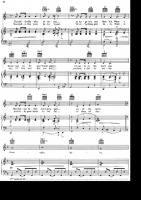
Edward Alexander MacDowell (December 18, 1860 – January 23, 1908) was an American composer and pianist of the Romantic period. He was best known for his second piano concerto and his piano suites "Woodland Sketches", "Sea Pieces", and "New England Idylls". "Woodland Sketches" includes his most popular short piece, "To a Wild Rose". In 1904 he was one of the first seven Americans honored by membership in the American Academy of Arts and Letters.
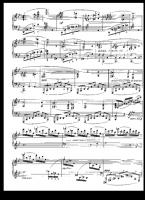
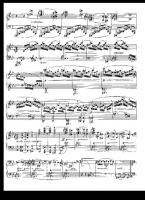
Nightwish
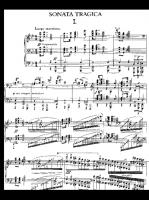
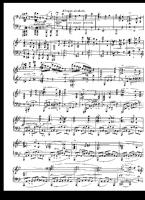
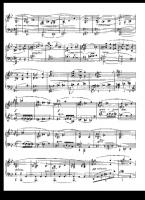
Nightwish is a Finnish rock quintet, formed in 1996 in the town of Kitee, Finland. Nightwish is considered one of the bands responsible for the development and rise in popularity of symphonic metal at the end of the 1990s, as well as the creation of the subgenre symphonic power metal.
Although they have been prominent in their home country since the release of their first single, “The Carpenter” (1997) and debut album Angels Fall First, they did not achieve worldwide fame until the release of the albums Oceanborn, Wishmaster and Century Child, which were released in 1998, 2000 and 2002 respectively. Their 2004 album, Once, which was sold over than 4 million copies, led to Nightwish video clips being shown on MTV in the United States and inclusion of their music in U.S. movie soundtracks. Their biggest U.S. hit single, “Wish I Had an Angel” (2004), made it onto three U.S. film soundtracks as a means to promote their North American tour. The band produced three more singles and two music videos for the album, as well as “Sleeping Sun”, from the 2005 “best of” compilation album, Highest Hopes, prior to vocalist Tarja Turunen’s dismissal.
In May 2007, former Alyson Avenue frontwoman, Swede Anette Olzon, was revealed as Turunen’s replacement, and in the autumn, the band released a new album Dark Passion Play, which was sold over 2 million copies. A tour supporting the album is currently in progress.
Although they have been prominent in their home country since the release of their first single, “The Carpenter” (1997) and debut album Angels Fall First, they did not achieve worldwide fame until the release of the albums Oceanborn, Wishmaster and Century Child, which were released in 1998, 2000 and 2002 respectively. Their 2004 album, Once, which was sold over than 4 million copies, led to Nightwish video clips being shown on MTV in the United States and inclusion of their music in U.S. movie soundtracks. Their biggest U.S. hit single, “Wish I Had an Angel” (2004), made it onto three U.S. film soundtracks as a means to promote their North American tour. The band produced three more singles and two music videos for the album, as well as “Sleeping Sun”, from the 2005 “best of” compilation album, Highest Hopes, prior to vocalist Tarja Turunen’s dismissal.
In May 2007, former Alyson Avenue frontwoman, Swede Anette Olzon, was revealed as Turunen’s replacement, and in the autumn, the band released a new album Dark Passion Play, which was sold over 2 million copies. A tour supporting the album is currently in progress.

Kunihiko Ryo
Yang Bang-ean (Korean: 양방언; Hanja: 梁邦彦; born 1 January 1960) is a Korean composer, arranger, record producer, and pianist. His Japanese name is Kunihiko Ryo.

Backstreet Boys
Backstreet Boys are a Grammy-nominated American pop group. They were the first group launched by fallen boy band mogul Lou Pearlman. They have had 13 Top 40 hits on the Billboard Hot 100 and have sold approximately 100 million albums, making them the best selling boy band of all time; they were number 1 in concert and album sales from 1997-2005 (when they earned $533.1 million). Two of their albums - Millennium (at #36) and Backstreet Boys (at #40) - are among the top 40 most popular albums of all-time.
After returning to the music scene in 2005, their sound changed dramatically, incorporating only live instruments (some of which they play themselves) and a more guitar and piano driven pop rock sound. The four-member group consists of Nick Carter, Howie Dorough, Brian Littrell and A. J. McLean. Original member Kevin Richardson left the group on June 23, 2006 to begin a family, but the four-piece refused to rule out a possible return for the singer.
After returning to the music scene in 2005, their sound changed dramatically, incorporating only live instruments (some of which they play themselves) and a more guitar and piano driven pop rock sound. The four-member group consists of Nick Carter, Howie Dorough, Brian Littrell and A. J. McLean. Original member Kevin Richardson left the group on June 23, 2006 to begin a family, but the four-piece refused to rule out a possible return for the singer.
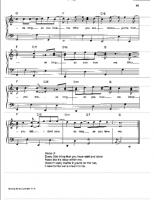
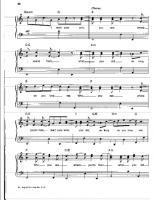
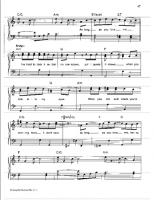
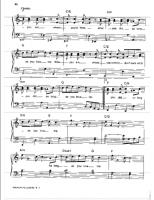
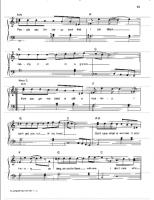
Yiruma
Yiruma (born February 15 1978, Seoul, Korea) is a South Korean piano music composer. He is married to Son Hye-im.
Yiruma is well-known throughout the world, and his albums are sold all over Asia, as well as the United States and Europe. His most famous pieces are "Kiss the Rain", and also "River Flows in You". These pieces are widely mistaken for being associated with the movie Twilight. Although he formerly held dual citizenship as a citizen of the United Kingdom and South Korea, in July 2006 he gave up his British citizenship and entered the Republic of Korea Navy to begin his military service, which is compulsory for all male South Koreans. He has lived in Osaka, Japan for 5 years to promote album sales before giving up his dual citizenship.
Yiruma is well-known throughout the world, and his albums are sold all over Asia, as well as the United States and Europe. His most famous pieces are "Kiss the Rain", and also "River Flows in You". These pieces are widely mistaken for being associated with the movie Twilight. Although he formerly held dual citizenship as a citizen of the United Kingdom and South Korea, in July 2006 he gave up his British citizenship and entered the Republic of Korea Navy to begin his military service, which is compulsory for all male South Koreans. He has lived in Osaka, Japan for 5 years to promote album sales before giving up his dual citizenship.



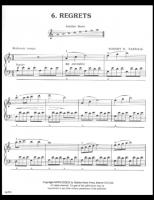
Robert Vandall
Robert Vandall is one of this country's most prolific and popular composers of educational piano music. He and his wife, Karen, operate a thriving independent piano studio in New Philadelphia, Ohio. You've had a long and full career in music, most notably as a piano teacher and clinician.
Bellini
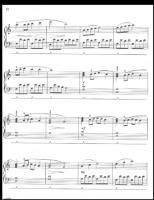
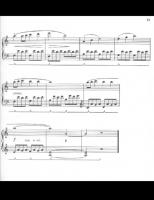
Vincenzo Salvatore Carmelo Francesco Bellini (3 November 1801 – 23 September 1835) was an Italian opera composer. His greatest works are I Capuleti ed i Montecchi (1830), La sonnambula (1831), Norma (1831), Beatrice di Tenda (1833), and I puritani (1835). Known for his long-flowing melodic lines, for which he was named "the Swan of Catania," Bellini was the quintessential composer of bel canto opera.




Thomas Morley
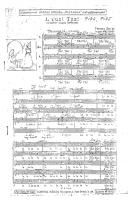
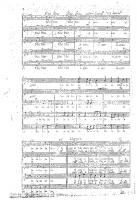
Thomas Morley British composer, organist and theorist. Morley is the most famous non-religious composer of the Elizabethan period and a leading representative of the English madrigal school. He began singing in local cathedrals and in 1583 became the choir conductor.
An American Tail
An American Tail is a 1986 animated film produced by Steven Spielberg's Amblin Entertainment, and directed by Don Bluth, originally released in movie theatres on November 21, 1986. It was the first animated film produced by Universal Pictures.
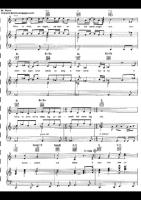
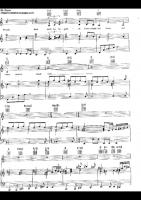
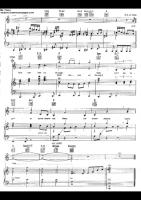
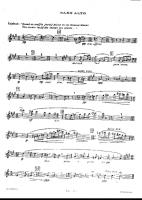
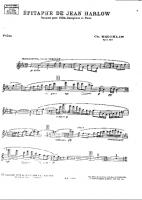
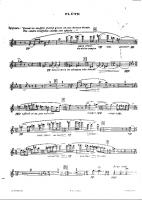
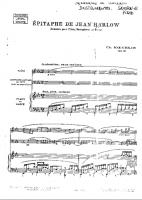
Charles Koechlin
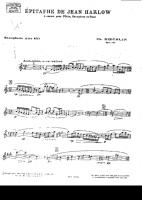
Charles-Louis-Eugène Koechlin (French: ; 27 November 1867 – 31 December 1950), commonly known as Charles Koechlin, was a French composer, teacher and writer on music. He was a political radical all his life and a passionate enthusiast for such diverse things as medieval music, The Jungle Book of Rudyard Kipling, Johann Sebastian Bach, film stars (especially Lilian Harvey and Ginger Rogers), traveling, stereoscopic photography and socialism. He once said: "The artist needs an ivory tower, not as an escape from the world, but as a place where he can view the world and be himself. This tower is for the artist like a lighthouse shining out across the world."
Mathilde Santing
Mathilde Santing is a Dutch singer. Santing was born in Amstelveen, Netherlands. She started receiving national attention in 1981 after she appeared in a Dutch television program called Sonja Op Maandag hosted by Sonja Barend.



Stephen Sondheim
Stephen Joshua Sondheim (born March 22, 1930) is an American composer and lyricist for stage and film. He is the winner of an Academy Award, multiple Tony Awards (nine, more than any other composer) including the Special Tony Award for Lifetime Achievement in the Theatre (received 2008), multiple Grammy Awards, and a Pulitzer Prize. He has been described as "the greatest and perhaps best-known artist in the American musical theatre." His most famous scores include (as composer/lyricist) A Funny Thing Happened on the Way to the Forum, Company, Follies, A Little Night Music, Sweeney Todd, Sunday in the Park with George, Into the Woods, and Assassins, as well as the lyrics for West Side Story and Gypsy. He was president of the Dramatists Guild from 1973 to 1981.
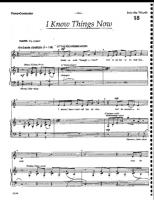
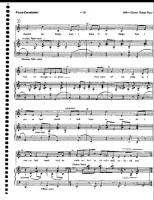
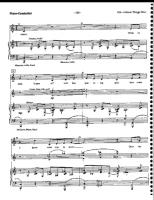
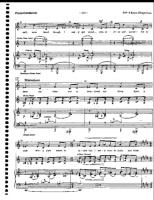
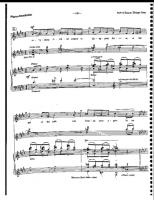
Bukas Palad
The Bukas Palad Music Ministry (Filipino for "generous"; literally, "open palm") is a Roman Catholic, contemporary worship musical group in the Philippines that composes, records, and performs original religious music. Since 1986, Bukas Palad has recorded over a dozen albums with the Jesuit Music Ministry of Jesuit Communications Foundation, a ministry of the Philippine Province of the Society of Jesus, based in Ateneo de Manila University. The group has performed in over a hundred solo concerts across the country and overseas in Japan, Hong Kong, the United States, and Canada.
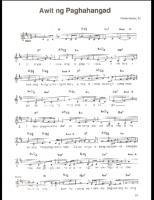
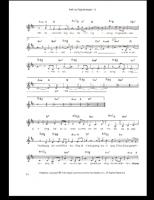
Eric Satie
Éric Alfred Leslie Satie (Honfleur, 17 May 1866 – Paris, 1 July 1925) was a French composer and pianist. Starting with his first composition in 1884, he signed his name as Erik Satie.
Satie was introduced as a "gymnopedist" in 1887, shortly before writing his most famous compositions, the Gymnopédies. Later, he also referred to himself as a "phonometrician" (meaning "someone who measures sounds") preferring this designation to that of "musician", after having been called "a clumsy but subtle technician" in a book on contemporary French composers published in 1911.
In addition to his body of music, Satie also left a remarkable set of writings, having contributed work for a range of publications, from the dadaist 391 to the American Vanity Fair. Although in later life he prided himself on always publishing his work under his own name, in the late nineteenth century he appears to have used pseudonyms such as Virginie Lebeau and François de Paule in some of his published writings.
Satie was a colourful figure in the early 20th century Parisian avant-garde. He was a precursor to later artistic movements such as minimalism, repetitive music, and the Theatre of the Absurd.
Satie was introduced as a "gymnopedist" in 1887, shortly before writing his most famous compositions, the Gymnopédies. Later, he also referred to himself as a "phonometrician" (meaning "someone who measures sounds") preferring this designation to that of "musician", after having been called "a clumsy but subtle technician" in a book on contemporary French composers published in 1911.
In addition to his body of music, Satie also left a remarkable set of writings, having contributed work for a range of publications, from the dadaist 391 to the American Vanity Fair. Although in later life he prided himself on always publishing his work under his own name, in the late nineteenth century he appears to have used pseudonyms such as Virginie Lebeau and François de Paule in some of his published writings.
Satie was a colourful figure in the early 20th century Parisian avant-garde. He was a precursor to later artistic movements such as minimalism, repetitive music, and the Theatre of the Absurd.



Paul Smadbeck
Paul Smadbeck was born New York City where he studied drum set and percussion throughout his early school years before beginning his formal music training at Ithaca College where he received both the Bachelor and Master of Music degrees in percussion performance. Inspired by the marimba playing of Leigh Howard Stevens and Gordon Stout, Paul emerged in the late 1970' s as a leading classical marimba soloist in his own right, performing recitals throughout the country. He began writing for the instrument and his collection of etudes and other works quickly became performance favorites and have earned a permanent place in the percussion repertoire worldwide. His works have been recorded over the years by dozens of artists from the U. S., Europe, Australia, and the Far East. Perhaps his best known marimba composition, "Rhythm Song", is arguably among the most popular works ever written for the instrument. In 2010, he premiered his newest marimba composition, "Fernando's Waltz", at the "Marimba 2010 International Festival and Conference" at the University of Minnesota.





Koji Kondo
Koji Kondo (近藤浩治 Kondō Kōji?, born August 13, 1960) is a Japanese video game composer and sound director who has been employed at Nintendo since 1984. He is best known for scoring numerous titles in the Mario and The Legend of Zelda series.


Cyrus S. Nusbaum
Composer, Cyrus S. Nusbaum. Arranger, Publisher, Hinshaw Music. Product Format, Vocal Score. Genre, Gospel & Spiritual.


Ragtime
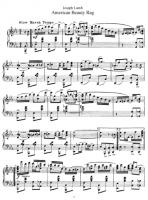
Ragtime is a musical with a book by Terrence McNally, lyrics by Lynn Ahrens, and music by Stephen Flaherty.
Based on the 1975 novel by E. L. Doctorow, Ragtime tells the story of three groups in America, represented by Coalhouse Walker Jr., a Harlem musician; Mother, the matriarch of a WASP family in New Rochelle, NY; and Tateh, a Latvian Jewish immigrant. Historical figures such as Houdini, Evelyn Nesbit, Booker T. Washington, J. P. Morgan, Henry Ford, Stanford White, Harry Kendall Thaw, Admiral Peary, Matthew Henson, and Emma Goldman also appear. The music includes marches, cakewalks, gospel and ragtime. The show is mostly sung-through, with very little spoken dialogue.
Based on the 1975 novel by E. L. Doctorow, Ragtime tells the story of three groups in America, represented by Coalhouse Walker Jr., a Harlem musician; Mother, the matriarch of a WASP family in New Rochelle, NY; and Tateh, a Latvian Jewish immigrant. Historical figures such as Houdini, Evelyn Nesbit, Booker T. Washington, J. P. Morgan, Henry Ford, Stanford White, Harry Kendall Thaw, Admiral Peary, Matthew Henson, and Emma Goldman also appear. The music includes marches, cakewalks, gospel and ragtime. The show is mostly sung-through, with very little spoken dialogue.
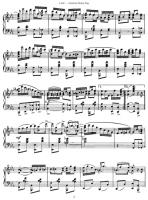
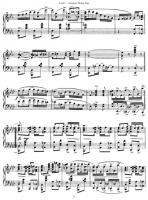
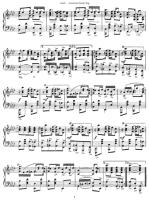
The Supremes
The Supremes were an American female singing group and a premier act of Motown Records during the 1960s. Founded as The Primettes in Detroit, Michigan, in 1959, the Supremes were the most commercially successful of Motown's acts and are, to date, America's most successful vocal group with 12 number one singles on the Billboard Hot 100. Most of these hits were written and produced by Motown's main songwriting and production team, Holland–Dozier–Holland. At their peak in the mid-1960s, the Supremes rivaled the Beatles in worldwide popularity, and it is said that their success made it possible for future African American R&B and soul musicians to find mainstream success.



John Rutter
John Milford Rutter CBE (born 24 September 1945) is a British composer, conductor, editor, arranger and record producer, mainly of choral music.
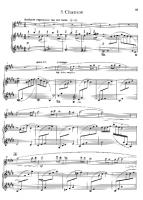
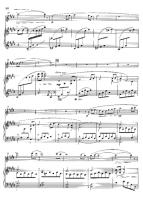
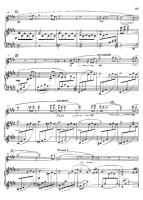
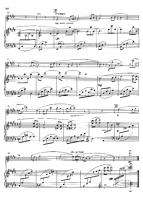
The Police
The Police were a three-piece rock band consisting of Sting (vocals, bass guitar), Andy Summers (guitar, vocals) and Stewart Copeland (drums, percussion, vocals). The band became globally popular in the early 1980s, playing a style of rock that was influenced by jazz, punk and reggae music. Their 1983 album, Synchronicity, was number one in the UK and the US and sold over 8,000,000 copies in the US. The band broke up in 1984, but reunited in early 2007 for a one-off world tour lasting until August 2008, in celebration of the 30th anniversary of their hit single "Roxanne" and also, to a lesser extent, that of their formation as a group. To date, The Police have sold more than 50 million albums worldwide. Rolling Stone ranked The Police number 70 on their list of the 100 Greatest Artists of All Time.
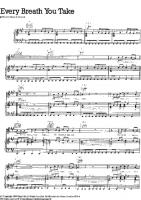
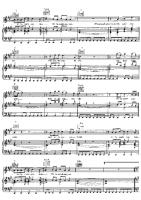
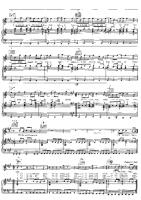
The Isley Brothers
The Isley Brothers (/ˈaɪzliː/) are an American musical group originally from Cincinnati, Ohio, that started as a vocal trio consisting of brothers O'Kelly Isley Jr., Rudolph Isley and Ronald Isley in the 1950s. With a career spanning over seven decades, the group has been cited as having enjoyed one of the "longest, most influential, and most diverse careers in the pantheon of popular music".Together with a fourth brother, Vernon, the group performed gospel music until Vernon's death a few years after its formation. After moving to the New York City area in the late 1950s, the group had their first successes during these early years, first coming to prominence in 1959 with their fourth single, "Shout", written by the three brothers.
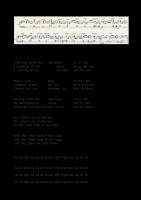
Sixpence None the Richer
Sixpence None the Richer (Shorter: Sixpence N.T.R.) is a Grammy-nominated American Christian pop/rock band that formed in New Braunfels, Texas, eventually settling in Nashville, Tennessee. The name of the band is inspired by a passage in writer C. S. Lewis's Mere Christianity.
In 1997, the group signed to Steve Taylor's label Squint Entertainment and released a self-titled album, which slowly began garnering attention from a wider audience in the mainstream industry. Although Placencio played bass on most of the album, he left the band before it was released and was replaced by Justin Carry, who joined the band around the same time as second guitarist Sean Kelly.
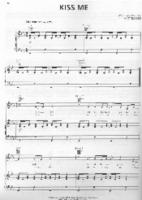
In 1999, "Kiss Me" was released as a single, propelling Sixpence None the Richer into the national pop spotlight. That year the song was also featured in the film She's All That as the newly made-over protagonist, Laney Boggs, is revealed, and again at the end, during the film's credits. In 2001 the film Not Another Teen Movie would use the song in a parody of that scene. "Kiss Me" was also played on the WB teen drama Dawson's Creek in episodes #2-06 "The Dance" and #2-18 "The Perfect Wedding," and is found on the show's first soundtrack CD, Songs from Dawson's Creek (Volume 1).
In 1999, the band recorded a cover of The La's' "There She Goes", which became their second hit single. This recording was subsequently added to the band's self-titled album in the US, though it had already appeared on all copies of the album internationally.
Current members:
Matt Slocum – Guitar, cello
Leigh Nash – Vocals
Justin Cary – Bass
In 1997, the group signed to Steve Taylor's label Squint Entertainment and released a self-titled album, which slowly began garnering attention from a wider audience in the mainstream industry. Although Placencio played bass on most of the album, he left the band before it was released and was replaced by Justin Carry, who joined the band around the same time as second guitarist Sean Kelly.
In 1999, "Kiss Me" was released as a single, propelling Sixpence None the Richer into the national pop spotlight. That year the song was also featured in the film She's All That as the newly made-over protagonist, Laney Boggs, is revealed, and again at the end, during the film's credits. In 2001 the film Not Another Teen Movie would use the song in a parody of that scene. "Kiss Me" was also played on the WB teen drama Dawson's Creek in episodes #2-06 "The Dance" and #2-18 "The Perfect Wedding," and is found on the show's first soundtrack CD, Songs from Dawson's Creek (Volume 1).
In 1999, the band recorded a cover of The La's' "There She Goes", which became their second hit single. This recording was subsequently added to the band's self-titled album in the US, though it had already appeared on all copies of the album internationally.
Current members:
Matt Slocum – Guitar, cello
Leigh Nash – Vocals
Justin Cary – Bass
Music theory
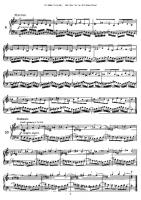
Music theory is the study of the practices and possibilities of music. The Oxford Companion to Music describes three interrelated uses of the term "music theory"
Queen
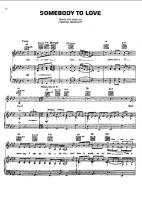
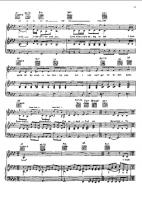
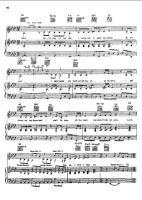
Queen were an English rock band formed in 1970 in London by guitarist Brian May, lead vocalist Freddie Mercury, and drummer Roger Taylor, with bass guitarist John Deacon completing the lineup the following year. While it is uncertain how many albums the band has sold, estimations range from 130 million to over 300 million albums worldwide.
The band is noted for their musical diversity, multi-layered arrangements, vocal harmonies, and incorporation of audience participation into their live performances. Their 1985 Live Aid performance was voted the best live rock performance of all time in an industry poll.
Queen had moderate success in the early 1970s, with the albums Queen and Queen II, but it was with the release of Sheer Heart Attack in 1974 and A Night at the Opera the following year that the band gained international success. They have released fifteen studio albums, five live albums, and numerous compilation albums. Eighteen of these have reached number one on charts around the world.
Following Mercury's death in 1991 and Deacon's retirement later in the decade, May and Taylor have performed infrequently under the Queen name. Since 2005 they have been collaborating with Paul Rodgers, under the moniker Queen + Paul Rodgers.
The band is noted for their musical diversity, multi-layered arrangements, vocal harmonies, and incorporation of audience participation into their live performances. Their 1985 Live Aid performance was voted the best live rock performance of all time in an industry poll.
Queen had moderate success in the early 1970s, with the albums Queen and Queen II, but it was with the release of Sheer Heart Attack in 1974 and A Night at the Opera the following year that the band gained international success. They have released fifteen studio albums, five live albums, and numerous compilation albums. Eighteen of these have reached number one on charts around the world.
Following Mercury's death in 1991 and Deacon's retirement later in the decade, May and Taylor have performed infrequently under the Queen name. Since 2005 they have been collaborating with Paul Rodgers, under the moniker Queen + Paul Rodgers.
Vivaldi
Antonio Lucio Vivaldi (March 4, 1678 â July 28, 1741), nicknamed il Prete Rosso ("The Red Priest"), was a Venetian priest and Baroque music composer, as well as a famous virtuoso violinist; he was born and raised in the Republic of Venice. The Four Seasons, a series of four violin concerti, is his best-known work and a highly popular Baroque piece.
Many of Vivaldi's compositions reflect a flamboyant, almost playful, exuberance. Most of Vivaldi's repertoire was rediscovered only in the first half of the 20th century in Turin and Genoa and was published in the second half. Vivaldi's music is innovative, breaking a consolidated tradition in schemes; he gave brightness to the formal and the rhythmic structure of the concerto, repeatedly looking for harmonic contrasts and innovative melodies and themes. Moreover, Vivaldi was able to compose nonacademic music, particularly meant to be appreciated by the wide public and not only by an intellectual minority. The joyful appearance of his music reveals in this regard a transmissible joy of composing; these are among the causes of the vast popularity of his music. This popularity soon made him famous in other countries such as France which was, at the time, very independent concerning its musical taste.
Vivaldi is considered one of the composers who brought Baroque music (with its typical contrast among heavy sonorities) to evolve into a classical style. Johann Sebastian Bach was deeply influenced by Vivaldi's concertos and arias (recalled in his Johannes Passion, Matthäuspassion, and cantatas). Bach transcribed a number of Vivaldi's concerti for solo keyboard, along with a number for orchestra, including the famous Concerto for Four Violins and Violoncello, Strings and Continuo (RV 580).
Many of Vivaldi's compositions reflect a flamboyant, almost playful, exuberance. Most of Vivaldi's repertoire was rediscovered only in the first half of the 20th century in Turin and Genoa and was published in the second half. Vivaldi's music is innovative, breaking a consolidated tradition in schemes; he gave brightness to the formal and the rhythmic structure of the concerto, repeatedly looking for harmonic contrasts and innovative melodies and themes. Moreover, Vivaldi was able to compose nonacademic music, particularly meant to be appreciated by the wide public and not only by an intellectual minority. The joyful appearance of his music reveals in this regard a transmissible joy of composing; these are among the causes of the vast popularity of his music. This popularity soon made him famous in other countries such as France which was, at the time, very independent concerning its musical taste.
Vivaldi is considered one of the composers who brought Baroque music (with its typical contrast among heavy sonorities) to evolve into a classical style. Johann Sebastian Bach was deeply influenced by Vivaldi's concertos and arias (recalled in his Johannes Passion, Matthäuspassion, and cantatas). Bach transcribed a number of Vivaldi's concerti for solo keyboard, along with a number for orchestra, including the famous Concerto for Four Violins and Violoncello, Strings and Continuo (RV 580).
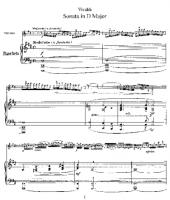

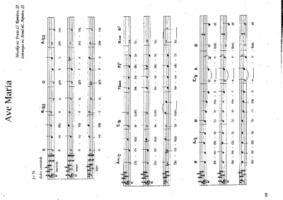
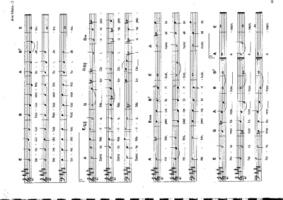
Bukas Palad Music Ministry
The Bukas Palad Music Ministry (Filipino for Generous, literally translated as Open Palm in English) is a Roman Catholic community of young people who compose, record, and perform original Filipino religious music. Since 1986, Bukas Palad has recorded over a dozen albums with the Jesuit Music Ministry of Jesuit Communications Foundation, a ministry of the Philippine Province of the Society of Jesus, based in the Ateneo de Manila University campus. and has performed in over a hundred solo concerts across the Philippines, Japan, Hong Kong, and the United States.
Search for Free Sheet Music
You can make a search through the entire collection of sheets.
You can make a search through the entire collection of sheets.