
Brahms Sheet Music
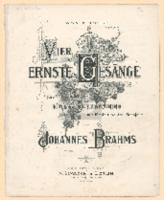
Johannes Brahms (May 7, 1833 â April 3, 1897) was a German composer of the Romantic period. He was born in Hamburg and in his later years he settled in Vienna, Austria.
Brahms maintained a Classical sense of form and order in his works â in contrast to the opulence of the music of many of his contemporaries. Thus many admirers (though not necessarily Brahms himself) saw him as the champion of traditional forms and "pure music," as opposed to the New German embrace of program music.
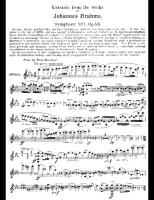
Brahms venerated Beethoven: in the composer's home, a marble bust of Beethoven looked down on the spot where he composed, and some passages in his works are reminiscent of Beethoven's style. The main theme of the finale of Brahms's First Symphony is reminiscent of the main theme of the finale of Beethoven's Ninth, and when this resemblance was pointed out to Brahms he replied that any ass â jeder Esel â could see that.
Ein deutsches Requiem was partially inspired by his mother's death in 1865, but also incorporates material from a Symphony he started in 1854, but abandoned following Schumann's suicide attempt. He once wrote that the Requiem "belonged to Schumann". The first movement of this abandoned Symphony was re-worked as the first movement of the First Piano Concerto.
Brahms also loved the Classical composers Mozart and Haydn. He collected first editions and autographs of their works, and edited performing editions. He also studied the music of pre-classical composers, including Giovanni Gabrieli, Johann Adolph Hasse, Heinrich Schütz and especially Johann Sebastian Bach. His friends included leading musicologists, and with Friedrich Chrysander he edited an edition of the works of François Couperin. He looked to older music for inspiration in the arts of strict counterpoint; the themes of some of his works are modelled on Baroque sources, such as Bach's The Art of Fugue in the fugal finale of Cello Sonata No. 1, or the same composer's Cantata No. 150 in the passacaglia theme of the Fourth Symphony's finale.
Brahms maintained a Classical sense of form and order in his works â in contrast to the opulence of the music of many of his contemporaries. Thus many admirers (though not necessarily Brahms himself) saw him as the champion of traditional forms and "pure music," as opposed to the New German embrace of program music.
Brahms venerated Beethoven: in the composer's home, a marble bust of Beethoven looked down on the spot where he composed, and some passages in his works are reminiscent of Beethoven's style. The main theme of the finale of Brahms's First Symphony is reminiscent of the main theme of the finale of Beethoven's Ninth, and when this resemblance was pointed out to Brahms he replied that any ass â jeder Esel â could see that.
Ein deutsches Requiem was partially inspired by his mother's death in 1865, but also incorporates material from a Symphony he started in 1854, but abandoned following Schumann's suicide attempt. He once wrote that the Requiem "belonged to Schumann". The first movement of this abandoned Symphony was re-worked as the first movement of the First Piano Concerto.
Brahms also loved the Classical composers Mozart and Haydn. He collected first editions and autographs of their works, and edited performing editions. He also studied the music of pre-classical composers, including Giovanni Gabrieli, Johann Adolph Hasse, Heinrich Schütz and especially Johann Sebastian Bach. His friends included leading musicologists, and with Friedrich Chrysander he edited an edition of the works of François Couperin. He looked to older music for inspiration in the arts of strict counterpoint; the themes of some of his works are modelled on Baroque sources, such as Bach's The Art of Fugue in the fugal finale of Cello Sonata No. 1, or the same composer's Cantata No. 150 in the passacaglia theme of the Fourth Symphony's finale.
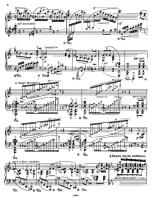
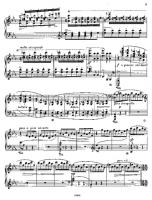
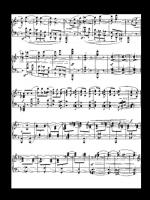
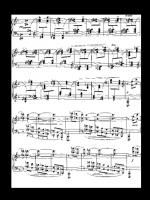
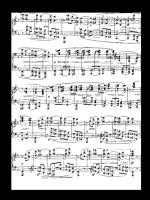
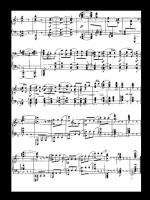
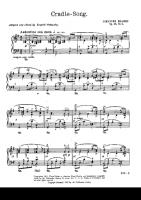
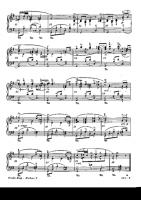
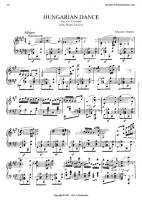
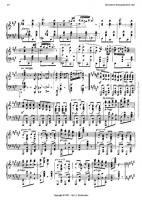
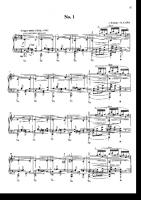
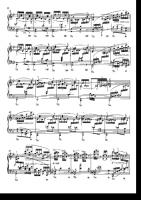
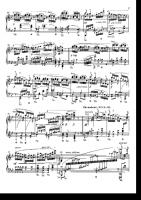
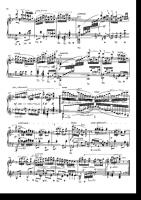
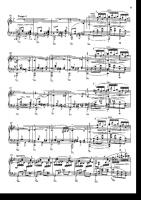
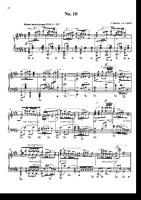
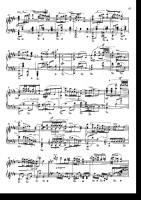
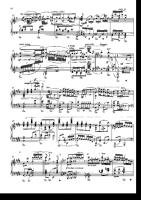
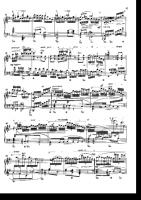
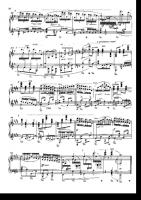
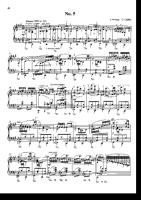
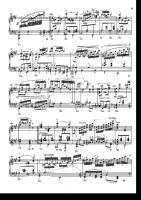
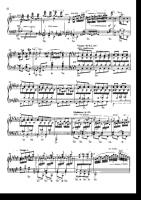
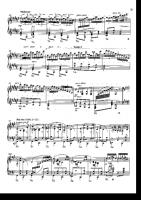
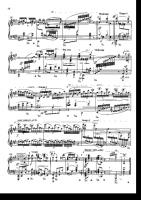
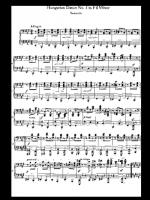
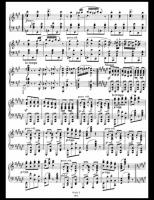
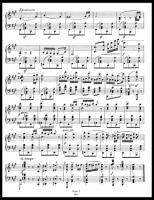
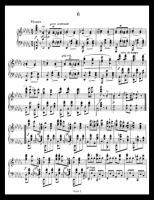
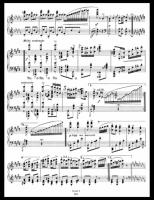
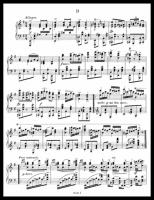
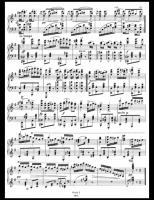
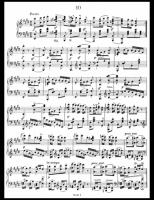
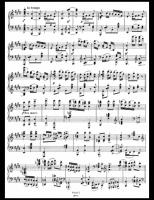
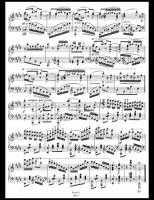
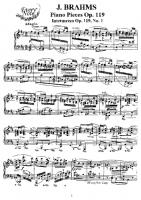
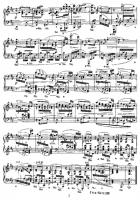
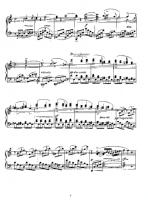
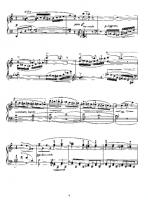
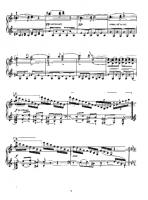
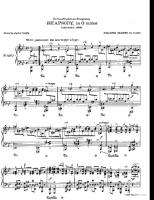
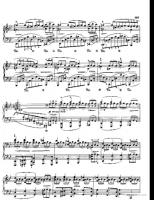
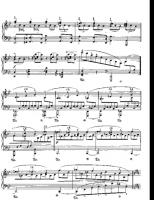
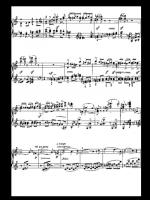
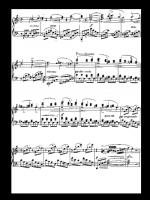
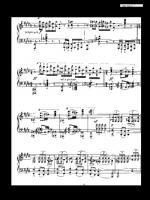
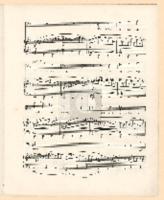
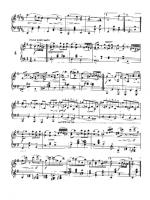
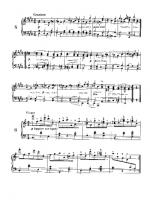
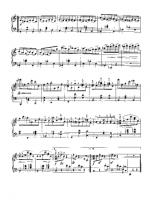
Brahms - hungarian dances (all) Piano Sheet Music
Advertisement
Advertisement

Please click on the button to get the sheet music
You can share this sheet on your Twitter or Facebook account to let your friends know too!
Comments about hungarian dances (all) by Brahms
There are no comments yet
Name (required)
Email (required, will not be published)
Email (required, will not be published)
Total 0/1000 chars
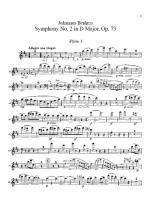
Other music sheets of Brahms
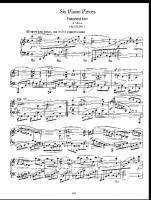
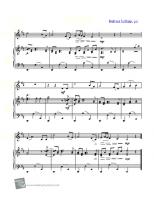
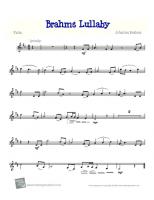
Piano
3
pages
130.02KB - 1525d ago
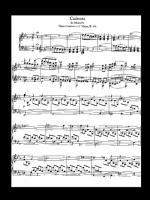
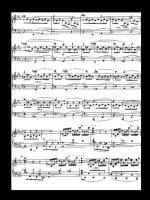
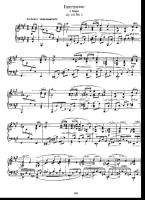
Piano
4
pages
178.31KB - 2450d ago
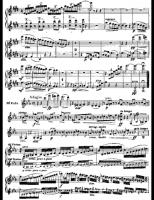
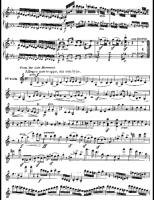
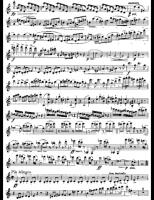
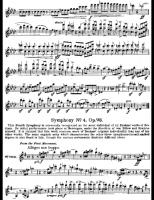
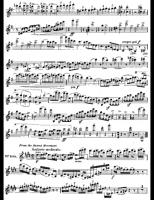
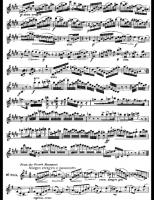
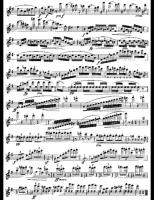


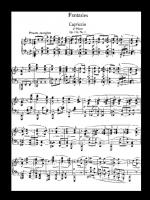
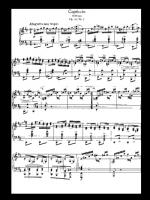
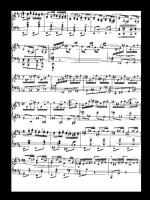
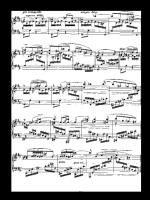
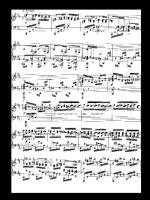
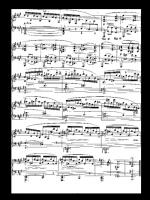


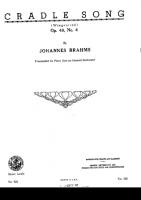
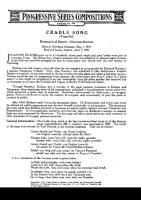
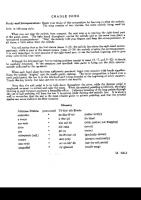
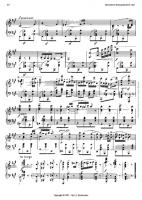


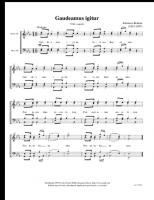
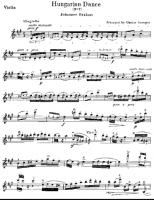
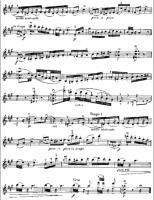




























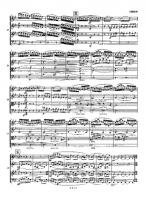
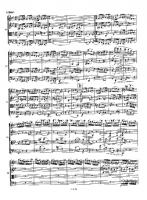
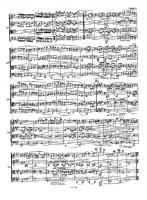
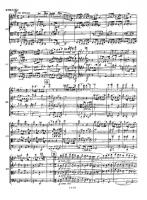
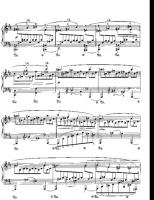
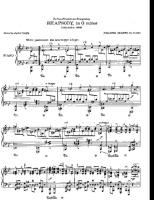
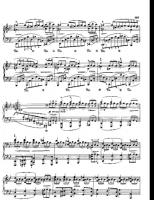
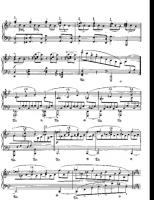
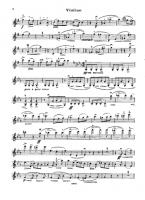
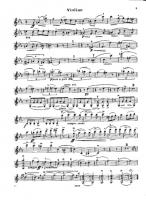
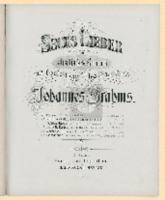

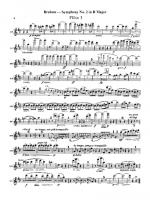
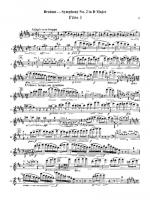








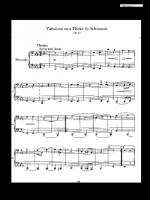







Search for Free Sheet Music
You can make a search through the entire collection of sheets.
You can make a search through the entire collection of sheets.
Latest Artists
György Ligeti
× 1
Creedence Clearwater Revival × 1
Jean-Baptiste Duvernoy × 1
Patsy Cline × 1
Carl Saunders × 1
Burt Baccarach × 1
No Doubt × 1
Sherbet × 1
James Swearingen × 1
Ben E. King × 1
Z. RANDALL STROOPE × 1
Tony Monaco × 1
Peter Billam × 1
Sufjan Stevens × 1
Saint Seiya × 1
Niki Reiser × 1
Steven Cravis × 2
Van Halen × 1
Marcel Moyse × 1
Richard Clayderman × 2
Tori Amos × 2
João Domingos Bomtempo × 1
H.A. Fischler × 1
Thomas Ravenscroft × 1
Edvard Grieg × 3
Pablo de Sarasate × 2
A Perfect Circle × 1
Silent Hill 2 × 1
William M. Golden × 1
Harry Evans × 1
MarioKart Double Dash × 1
Handel × 1
Count Basie × 2
George Gershwin × 5
John F. Wade × 1
Carl Maria von Weber × 1
Deep Purple × 1
Romantic pop piano 3 × 1
Lady Antebellum × 1
SYLVAIN GUINET × 1
Darius Milhaud × 1
Asher Book × 1
Paul De Senneville × 2
Casablanca × 1
Bruce Baker × 1
Utada Hikaru × 2
Riya × 1
Joe Zawinul × 1
Public Domain × 2
Naruto × 1
Creedence Clearwater Revival × 1
Jean-Baptiste Duvernoy × 1
Patsy Cline × 1
Carl Saunders × 1
Burt Baccarach × 1
No Doubt × 1
Sherbet × 1
James Swearingen × 1
Ben E. King × 1
Z. RANDALL STROOPE × 1
Tony Monaco × 1
Peter Billam × 1
Sufjan Stevens × 1
Saint Seiya × 1
Niki Reiser × 1
Steven Cravis × 2
Van Halen × 1
Marcel Moyse × 1
Richard Clayderman × 2
Tori Amos × 2
João Domingos Bomtempo × 1
H.A. Fischler × 1
Thomas Ravenscroft × 1
Edvard Grieg × 3
Pablo de Sarasate × 2
A Perfect Circle × 1
Silent Hill 2 × 1
William M. Golden × 1
Harry Evans × 1
MarioKart Double Dash × 1
Handel × 1
Count Basie × 2
George Gershwin × 5
John F. Wade × 1
Carl Maria von Weber × 1
Deep Purple × 1
Romantic pop piano 3 × 1
Lady Antebellum × 1
SYLVAIN GUINET × 1
Darius Milhaud × 1
Asher Book × 1
Paul De Senneville × 2
Casablanca × 1
Bruce Baker × 1
Utada Hikaru × 2
Riya × 1
Joe Zawinul × 1
Public Domain × 2
Naruto × 1