
Wagner Sheet Music
Wilhelm Richard Wagner (22 May 1813, Leipzig, Germany - 13 February 1883, Venice, Italy) was a German composer, conductor, theatre director and essayist, primarily known for his operas (or "music dramas", as they were later called). Unlike most other great opera composers, Wagner wrote both the scenario and libretto for his works.
Wagner's compositions, particularly those of his later period, are notable for contrapuntal texture, rich chromaticism, harmonies and orchestration, and elaborate use of leitmotifs: musical themes associated with particular characters, locales or plot elements. Wagner pioneered advances in musical language, such as extreme chromaticism and quickly shifting tonal centres, which greatly influenced the development of European classical music.
He transformed musical thought through his idea of Gesamtkunstwerk ("total artwork"), the synthesis of all the poetic, visual, musical and dramatic arts, epitomized by his monumental four-opera cycle Der Ring des Nibelungen (1876). To try to stage these works as he imagined them, Wagner built his own opera house.
Wagner's musical style is often considered the epitome of classical music's Romantic period, due to its unprecedented exploration of emotional expression. He introduced new ideas in harmony and musical form, including extreme chromaticism. In Tristan und Isolde, he explored the limits of the traditional tonal system that gave keys and chords their identity, pointing the way to atonality in the 20th century. Some music historians date the beginning of modern classical music to the first notes of Tristan, the so-called Tristan chord.
Wagner's compositions, particularly those of his later period, are notable for contrapuntal texture, rich chromaticism, harmonies and orchestration, and elaborate use of leitmotifs: musical themes associated with particular characters, locales or plot elements. Wagner pioneered advances in musical language, such as extreme chromaticism and quickly shifting tonal centres, which greatly influenced the development of European classical music.
He transformed musical thought through his idea of Gesamtkunstwerk ("total artwork"), the synthesis of all the poetic, visual, musical and dramatic arts, epitomized by his monumental four-opera cycle Der Ring des Nibelungen (1876). To try to stage these works as he imagined them, Wagner built his own opera house.
Wagner's musical style is often considered the epitome of classical music's Romantic period, due to its unprecedented exploration of emotional expression. He introduced new ideas in harmony and musical form, including extreme chromaticism. In Tristan und Isolde, he explored the limits of the traditional tonal system that gave keys and chords their identity, pointing the way to atonality in the 20th century. Some music historians date the beginning of modern classical music to the first notes of Tristan, the so-called Tristan chord.
Wagner - Polka Piano Sheet Music
Advertisement
Advertisement

Please right click on the download button and select "Save Target As" or "Save Link As" to download
You can share this sheet on your Twitter or Facebook account to let your friends know too!
Comments about Polka by Wagner
There are no comments yet
Name (required)
Email (required, will not be published)
Email (required, will not be published)
Total 0/1000 chars
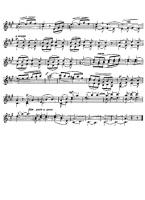
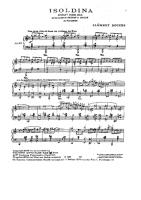
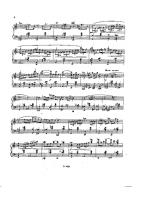
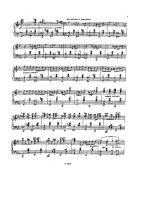
Other music sheets of Wagner
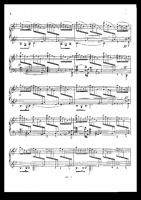
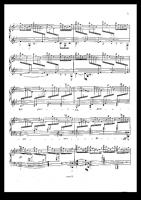
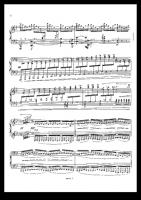
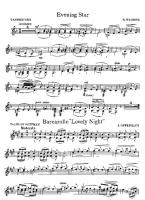

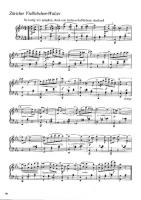
Search for Free Sheet Music
You can make a search through the entire collection of sheets.
You can make a search through the entire collection of sheets.
Latest Artists
Bertolt Brecht
× 1
Alicia Keys × 1
Zapp (Band) × 1
Michale Wong × 1
Bedrich Smetana × 2
LeAnn Rimes × 1
Nino Rota × 1
Sufjan Stevens × 1
Sergei Rachmaninoff × 1
Tchaikovsky × 2
Puccini × 2
Alex North × 1
Chuck Loeb × 1
The Corrs × 1
Gennaro Ruffolo × 1
Geraldine Koehn × 1
Zhang Xiao Hong × 1
Joseph Kosma × 1
Fito Paez × 1
Enrique Granados × 1
Arthur Hamilton × 1
Ouran High School Host Club × 1
Frank Bridge × 1
Roxette × 1
Jack Johnson × 1
Van Halen × 1
Halfdan Kjerulf × 1
Little Shop of Horrors × 1
Macross Frontier × 1
Fanz Von SUPPÉ × 1
Danniel Balavoine × 1
The Saint × 1
Sammy Cahn × 1
David Arivett × 1
Felipe Rose × 1
The Beatles × 5
Michael Giacchino × 1
George Bennard × 1
Pierre Certon × 1
Girl's Day × 1
John Bacchus Dykes × 1
Tjako van Schie × 1
Peter Billam × 1
Jeremy Soule × 1
The Allman Brothers Band × 1
Dennis Martin × 1
Porter Robinson × 1
Ludwig van Beethoven Composer × 1
John Bogenshutz × 1
Eugene Ysaye × 1
Alicia Keys × 1
Zapp (Band) × 1
Michale Wong × 1
Bedrich Smetana × 2
LeAnn Rimes × 1
Nino Rota × 1
Sufjan Stevens × 1
Sergei Rachmaninoff × 1
Tchaikovsky × 2
Puccini × 2
Alex North × 1
Chuck Loeb × 1
The Corrs × 1
Gennaro Ruffolo × 1
Geraldine Koehn × 1
Zhang Xiao Hong × 1
Joseph Kosma × 1
Fito Paez × 1
Enrique Granados × 1
Arthur Hamilton × 1
Ouran High School Host Club × 1
Frank Bridge × 1
Roxette × 1
Jack Johnson × 1
Van Halen × 1
Halfdan Kjerulf × 1
Little Shop of Horrors × 1
Macross Frontier × 1
Fanz Von SUPPÉ × 1
Danniel Balavoine × 1
The Saint × 1
Sammy Cahn × 1
David Arivett × 1
Felipe Rose × 1
The Beatles × 5
Michael Giacchino × 1
George Bennard × 1
Pierre Certon × 1
Girl's Day × 1
John Bacchus Dykes × 1
Tjako van Schie × 1
Peter Billam × 1
Jeremy Soule × 1
The Allman Brothers Band × 1
Dennis Martin × 1
Porter Robinson × 1
Ludwig van Beethoven Composer × 1
John Bogenshutz × 1
Eugene Ysaye × 1