
Flute Sheet Music
 "...the blues appealed to me, but so did rock. The early rockabilly guitarists like Cliff Gallup and Scotty Moore were just as important to me as the blues guitarists..." Jimmy Page / Yardbirds / Led Zepplin
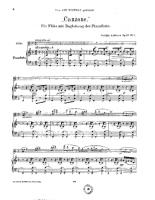
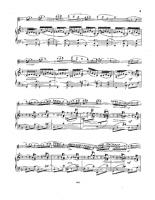
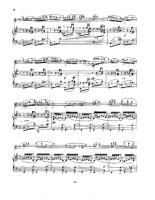
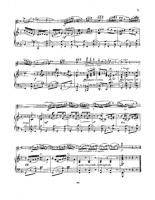
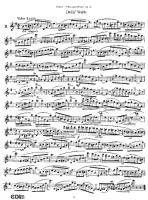
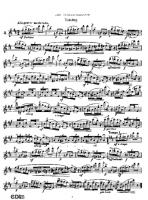
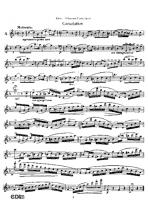
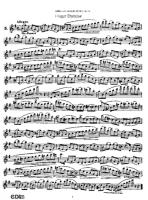
Joachim Andersen
Carl Joachim Andersen (April 29, 1847 – May 7, 1909) was a Danish flutist, conductor and composer born in Copenhagen, son of the flutist Christian Joachim Andersen. Both as a virtuoso and as composer of flute music, he is considered one of the best of his time. He was a tough leader and teacher and demanded as such a lot from his orchestras but through that style he reached a high level.
Sean Mortensen
I'm an aspiring composer, well-to-do pianist and percussionist. I'm even bilingual in Spanish, Italian and Portuguese (I'm almost a Jack of All Trades).
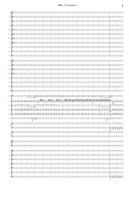
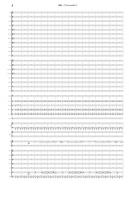
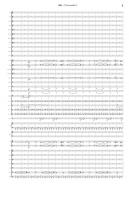
Dvorak
Antonín Leopold Dvořák (September 8, 1841 – May 1, 1904) was a Czech composer of Romantic music, who employed the idioms and melodies of the folk music of his native Bohemia and Moravia. His works include operas, symphonic, choral and chamber music. His best-known works are his New World Symphony (particularly the slow movement), as well as his Slavonic Dances, American String Quartet, and Cello Concerto in B minor.
Dvořák wrote in a variety of forms: his nine symphonies generally stick to classical models that Beethoven would have recognised, but he also worked in the newly developed symphonic poem form and the influence of Richard Wagner is apparent in some works. Many of his works also show the influence of Czech folk music, both in terms of rhythms and melodic shapes; perhaps the best known examples are the two sets of Slavonic Dances. Dvořák also wrote operas (the best known of which is Rusalka); serenades for string orchestra and wind ensemble; chamber music (including a number of string quartets, and quintets); songs; choral music; and piano music.
Dvořák wrote in a variety of forms: his nine symphonies generally stick to classical models that Beethoven would have recognised, but he also worked in the newly developed symphonic poem form and the influence of Richard Wagner is apparent in some works. Many of his works also show the influence of Czech folk music, both in terms of rhythms and melodic shapes; perhaps the best known examples are the two sets of Slavonic Dances. Dvořák also wrote operas (the best known of which is Rusalka); serenades for string orchestra and wind ensemble; chamber music (including a number of string quartets, and quintets); songs; choral music; and piano music.
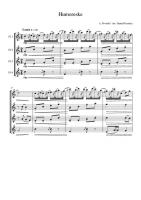
Oasis
Oasis are an English rock band that formed in Manchester in 1991. The group was formed by Liam Gallagher (vocals), Paul Arthurs (guitar), Paul McGuigan (bass) and Tony McCarroll (drums), who were soon joined by Liam's older brother Noel Gallagher (lead guitar, lead vocals). Oasis have sold more than 50 million records worldwide, have had eight UK number-one singles and have collected 15 NME Awards, 5 Brit Awards and 9 Q awards. The Gallagher brothers are the band's leading songwriters and the only continual members. The present lineup is completed by guitarists Gem Archer and Andy Bell, as well as unofficial drummer Chris Sharrock.
The band initially gained prominence performing on the Manchester club circuit. They were signed to independent record label Creation Records and afterwards released their debut album Definitely Maybe in 1994. The following year, the band recorded (What's the Story) Morning Glory? (1995) with their new drummer Alan White, whilst rivaling with Britpop peers Blur in the charts. The Gallagher brothers were featured regularly in tabloid newspapers for their sibling rivalry and wild lifestyles, cultivating reputations both as bad boys and as a band of the people. At the height of their fame, Oasis released their third album, Be Here Now (1997). It became the fastest-selling album in UK chart history, but lost much of its long-term appeal after the initial hype and positive reception tempered. The band suffered a notable decline in popularity in America and lost three long-time members between recording and releasing Standing on the Shoulder of Giants (2000) and Heathen Chemistry (2002).
Their sixth album Don't Believe the Truth (2005), despite turbulent recording, became their best-selling and best-received album in a decade. The following year, the band released a compilation album entitled Stop the Clocks. In February 2007, Oasis received the BRIT Award for outstanding contribution to music. Dig Out Your Soul, the seventh studio album by the band, is set to be released on October 6, 2008, with the lead single from that album, "The Shock of the Lightning", set to be released on 29 September 2008.
The band initially gained prominence performing on the Manchester club circuit. They were signed to independent record label Creation Records and afterwards released their debut album Definitely Maybe in 1994. The following year, the band recorded (What's the Story) Morning Glory? (1995) with their new drummer Alan White, whilst rivaling with Britpop peers Blur in the charts. The Gallagher brothers were featured regularly in tabloid newspapers for their sibling rivalry and wild lifestyles, cultivating reputations both as bad boys and as a band of the people. At the height of their fame, Oasis released their third album, Be Here Now (1997). It became the fastest-selling album in UK chart history, but lost much of its long-term appeal after the initial hype and positive reception tempered. The band suffered a notable decline in popularity in America and lost three long-time members between recording and releasing Standing on the Shoulder of Giants (2000) and Heathen Chemistry (2002).
Their sixth album Don't Believe the Truth (2005), despite turbulent recording, became their best-selling and best-received album in a decade. The following year, the band released a compilation album entitled Stop the Clocks. In February 2007, Oasis received the BRIT Award for outstanding contribution to music. Dig Out Your Soul, the seventh studio album by the band, is set to be released on October 6, 2008, with the lead single from that album, "The Shock of the Lightning", set to be released on 29 September 2008.
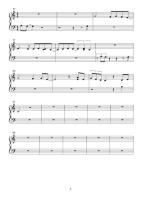
Johann Peter Emilius Hartmann
Johan Peter Emilius Hartmann (14 May 1805, Copenhagen – 10 March 1900, Copenhagen) was a Danish composer.
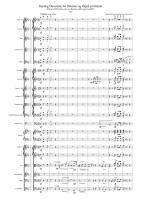
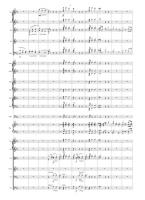
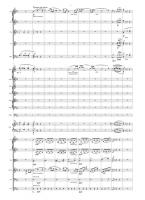
Basshunter
Jonas Erik Altberg (born 22 December 1984 in Halmstad, Sweden), better known by his stage name Basshunter, is a Swedish singer-songwriter, record producer and DJ. He is best known for his number one hits "Boten Anna", "Now You're Gone" and "All I Ever Wanted". Basshunter has so far released a total of three albums, two of which have been released in the UK, and a total of 14 singles. Recently, his latest U.K. single, "Saturday," was released in July 2010, and he also competed in hit reality TV show Celebrity Big Brother in January 2010. His song "Sverige" was also used as Sjölunden's International Day song in 2008. He is working on a fourth studio album to be released in 2011.
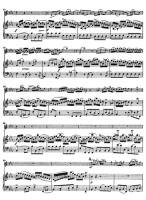
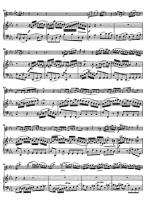
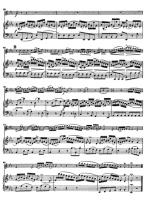
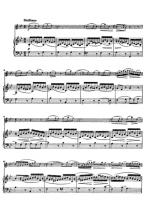
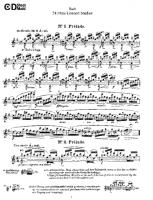
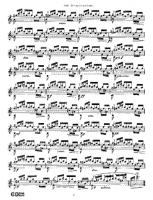
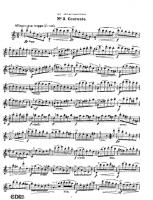
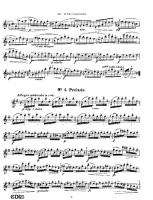
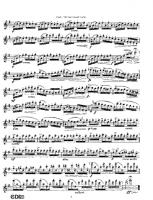
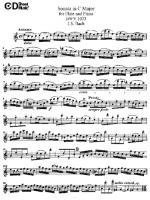
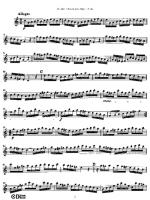
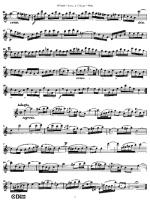
Bach
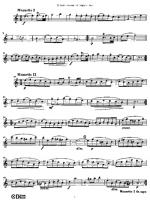
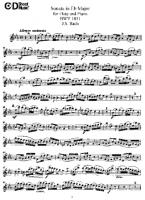
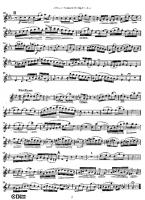
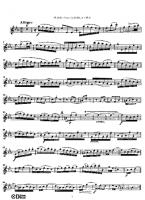
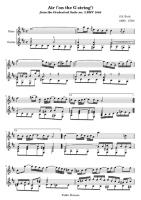
Johann Sebastian Bach (31 March 1685 – 28 July 1750) was a German composer and organist whose sacred and secular works for choir, orchestra, and solo instruments drew together the strands of the Baroque period and brought it to its ultimate maturity. Although he introduced no new forms, he enriched the prevailing German style with a robust contrapuntal technique, an unrivalled control of harmonic and motivic organisation in composition for diverse musical forces, and the adaptation of rhythms and textures from abroad, particularly Italy and France.
Revered for their intellectual depth and technical and artistic beauty, Bach's works include the Brandenburg concertos; the Goldberg Variations; the English Suites, French Suites, Partitas, and Well-Tempered Clavier; the Mass in B Minor; the St. Matthew Passion; the St. John Passion; The Musical Offering; The Art of Fugue; the Sonatas and Partitas for violin solo; the Cello Suites; more than 200 surviving cantatas; and a similar number of organ works, including the celebrated Toccata and Fugue in D Minor.
While Bach's fame as an organist was great during his lifetime, he was not particularly well-known as a composer. His adherence to Baroque forms and contrapuntal style was considered "old-fashioned" by his contemporaries, especially late in his career when the musical fashion tended towards Rococo and later Classical styles. A revival of interest and performances of his music began early in the 19th century, and he is now widely considered to be one of the greatest composers in the Western tradition.
Revered for their intellectual depth and technical and artistic beauty, Bach's works include the Brandenburg concertos; the Goldberg Variations; the English Suites, French Suites, Partitas, and Well-Tempered Clavier; the Mass in B Minor; the St. Matthew Passion; the St. John Passion; The Musical Offering; The Art of Fugue; the Sonatas and Partitas for violin solo; the Cello Suites; more than 200 surviving cantatas; and a similar number of organ works, including the celebrated Toccata and Fugue in D Minor.
While Bach's fame as an organist was great during his lifetime, he was not particularly well-known as a composer. His adherence to Baroque forms and contrapuntal style was considered "old-fashioned" by his contemporaries, especially late in his career when the musical fashion tended towards Rococo and later Classical styles. A revival of interest and performances of his music began early in the 19th century, and he is now widely considered to be one of the greatest composers in the Western tradition.
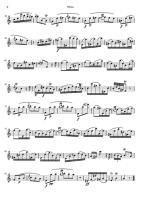
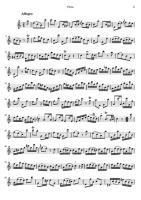
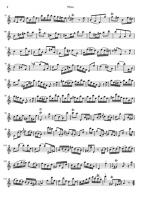
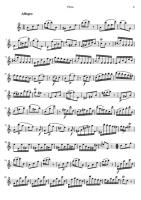
Ludwig van Beethovan
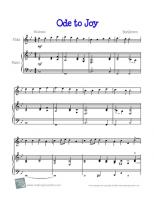
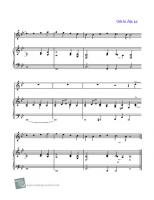
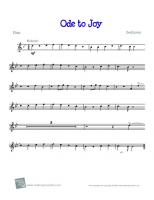
Jean Sibelius
Jean Sibelius ( pronunciation (help·info)) (8 December 1865 – 20 September 1957) was a Finnish composer of the later Romantic period whose music played an important role in the formation of the Finnish national identity. His mastery of the orchestra has been described as "prodigious."
The core of Sibelius's oeuvre is his set of seven symphonies. Like Beethoven, Sibelius used each successive work to further develop his own personal compositional style. His works continue to be performed frequently in the concert hall and are often recorded.
In addition to the symphonies, Sibelius's best-known compositions include Finlandia, the Karelia Suite, Valse triste, the Violin Concerto in D minor and The Swan of Tuonela (one of the four movements of the Lemminkäinen Suite). Other works include pieces inspired by the Finnish national epic, the Kalevala; over 100 songs for voice and piano; incidental music for 13 plays; the opera Jungfrun i tornet (The Maiden in the Tower); chamber music; piano music; Masonic ritual music; and 21 separate publications of choral music.
The core of Sibelius's oeuvre is his set of seven symphonies. Like Beethoven, Sibelius used each successive work to further develop his own personal compositional style. His works continue to be performed frequently in the concert hall and are often recorded.
In addition to the symphonies, Sibelius's best-known compositions include Finlandia, the Karelia Suite, Valse triste, the Violin Concerto in D minor and The Swan of Tuonela (one of the four movements of the Lemminkäinen Suite). Other works include pieces inspired by the Finnish national epic, the Kalevala; over 100 songs for voice and piano; incidental music for 13 plays; the opera Jungfrun i tornet (The Maiden in the Tower); chamber music; piano music; Masonic ritual music; and 21 separate publications of choral music.
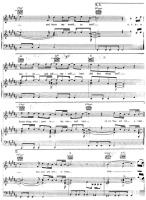
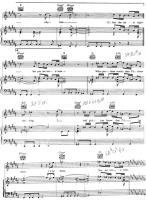
Flute
6
pages
473.21KB - 5494d ago
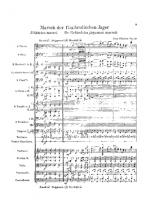
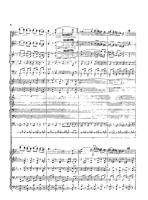
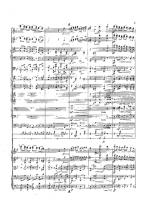
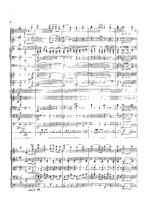
...
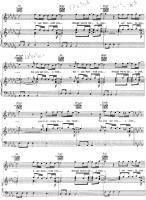
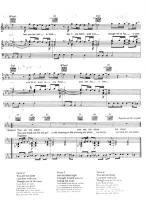
Flute
5
pages
420.86KB - 5495d ago
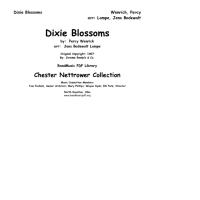
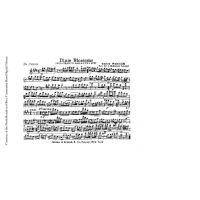
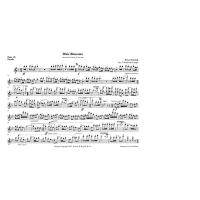
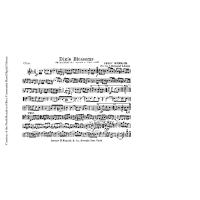
Percy Wenrich
Percy Wenrich (January 23, 1880 – March 17, 1952) was a United States composer of ragtime and popular music.
Born in Joplin, Missouri, he left for Chicago in 1901 and moved on to New York City around 1907 to work as a Tin Pan Alley composer, but his music retains a Missouri folk flavor. He composed at least eighteen rags, including "Ashy Africa," "Noodles," "Peaches and Cream" (1905), "Crabapples," and "The Smiler" (1907). His songs include "Wabash Avenue After Dark" and the hits "Put on Your Old Grey Bonnet" (1909, lyrics by Stanley Murphy) and "When You Wore a Tulip and I Wore a Big Red Rose" (1914, lyrics by Jack Mahoney).
Born in Joplin, Missouri, he left for Chicago in 1901 and moved on to New York City around 1907 to work as a Tin Pan Alley composer, but his music retains a Missouri folk flavor. He composed at least eighteen rags, including "Ashy Africa," "Noodles," "Peaches and Cream" (1905), "Crabapples," and "The Smiler" (1907). His songs include "Wabash Avenue After Dark" and the hits "Put on Your Old Grey Bonnet" (1909, lyrics by Stanley Murphy) and "When You Wore a Tulip and I Wore a Big Red Rose" (1914, lyrics by Jack Mahoney).
Andrea Ferrante
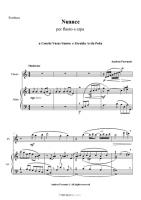
Andrea Ferrante (born 16 August 1968, Palermo, Italy) is an Italian composer whose music is performed throughout Europe, Asia and the Americas and published by Videoradio and Rai Trade Labels, Edizioni Carrara and Edizioni Simeoli. Edizioni Carrara and Edizioni Simeoli.
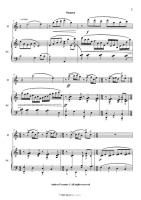
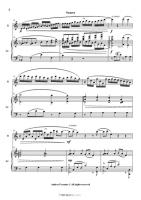
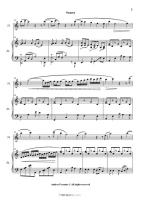
Vivaldi
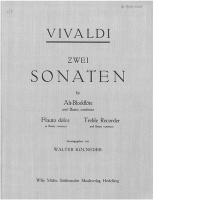
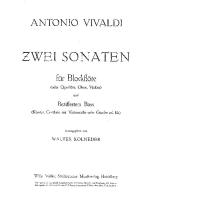
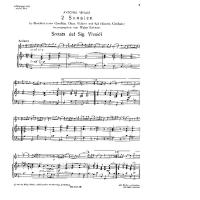
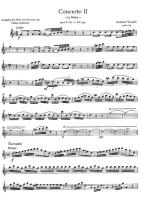
Antonio Lucio Vivaldi (March 4, 1678 â July 28, 1741), nicknamed il Prete Rosso ("The Red Priest"), was a Venetian priest and Baroque music composer, as well as a famous virtuoso violinist; he was born and raised in the Republic of Venice. The Four Seasons, a series of four violin concerti, is his best-known work and a highly popular Baroque piece.
Many of Vivaldi's compositions reflect a flamboyant, almost playful, exuberance. Most of Vivaldi's repertoire was rediscovered only in the first half of the 20th century in Turin and Genoa and was published in the second half. Vivaldi's music is innovative, breaking a consolidated tradition in schemes; he gave brightness to the formal and the rhythmic structure of the concerto, repeatedly looking for harmonic contrasts and innovative melodies and themes. Moreover, Vivaldi was able to compose nonacademic music, particularly meant to be appreciated by the wide public and not only by an intellectual minority. The joyful appearance of his music reveals in this regard a transmissible joy of composing; these are among the causes of the vast popularity of his music. This popularity soon made him famous in other countries such as France which was, at the time, very independent concerning its musical taste.
Vivaldi is considered one of the composers who brought Baroque music (with its typical contrast among heavy sonorities) to evolve into a classical style. Johann Sebastian Bach was deeply influenced by Vivaldi's concertos and arias (recalled in his Johannes Passion, Matthäuspassion, and cantatas). Bach transcribed a number of Vivaldi's concerti for solo keyboard, along with a number for orchestra, including the famous Concerto for Four Violins and Violoncello, Strings and Continuo (RV 580).
Many of Vivaldi's compositions reflect a flamboyant, almost playful, exuberance. Most of Vivaldi's repertoire was rediscovered only in the first half of the 20th century in Turin and Genoa and was published in the second half. Vivaldi's music is innovative, breaking a consolidated tradition in schemes; he gave brightness to the formal and the rhythmic structure of the concerto, repeatedly looking for harmonic contrasts and innovative melodies and themes. Moreover, Vivaldi was able to compose nonacademic music, particularly meant to be appreciated by the wide public and not only by an intellectual minority. The joyful appearance of his music reveals in this regard a transmissible joy of composing; these are among the causes of the vast popularity of his music. This popularity soon made him famous in other countries such as France which was, at the time, very independent concerning its musical taste.
Vivaldi is considered one of the composers who brought Baroque music (with its typical contrast among heavy sonorities) to evolve into a classical style. Johann Sebastian Bach was deeply influenced by Vivaldi's concertos and arias (recalled in his Johannes Passion, Matthäuspassion, and cantatas). Bach transcribed a number of Vivaldi's concerti for solo keyboard, along with a number for orchestra, including the famous Concerto for Four Violins and Violoncello, Strings and Continuo (RV 580).

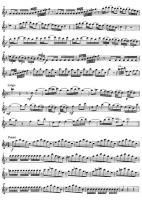
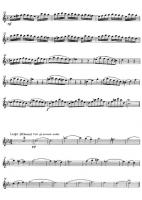
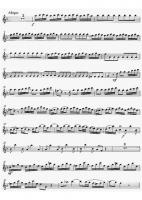
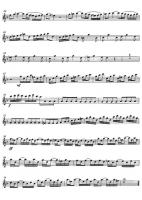
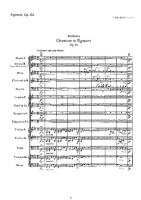
Beethoven
Ludwig van Beethoven (16 December 1770 - 26 March 1827) was a German composer and pianist. He was a crucial figure in the transitional period between the Classical and Romantic eras in Western classical music, and remains one of the most respected and influential composers of all time.
Born in Bonn, then in the Electorate of Cologne (now in modern-day Germany), he moved to Vienna in his early twenties and settled there, studying with Joseph Haydn and quickly gaining a reputation as a virtuoso pianist. Beethoven's hearing gradually deteriorated beginning in his twenties, yet he continued to compose masterpieces, and to conduct and perform, even after he was completely deaf.
Born in Bonn, then in the Electorate of Cologne (now in modern-day Germany), he moved to Vienna in his early twenties and settled there, studying with Joseph Haydn and quickly gaining a reputation as a virtuoso pianist. Beethoven's hearing gradually deteriorated beginning in his twenties, yet he continued to compose masterpieces, and to conduct and perform, even after he was completely deaf.
Shrek The Musical
Shrek the Musical is a musical with music by Jeanine Tesori and book and lyrics by David Lindsay-Abaire. It is based on the 1990 book Shrek! by William Steig as well as the 2001 DreamWorks film of the same name. After a tryout in Seattle, the original Broadway production opened in December 2008 and, after a run of over 12 months, closed in January 2010. The first US Tour began in July 2010, with a West End production due to open in June 2011.
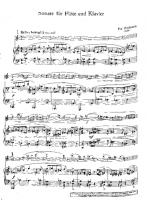
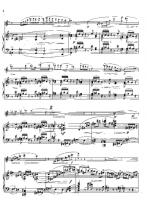
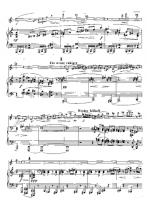
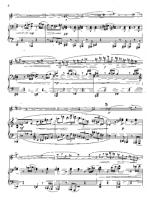
Paul Hindemith
Paul Hindemith (16 November 1895 – 28 December 1963) was a German composer, violist, violinist, teacher, music theorist and conductor.
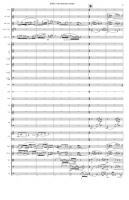
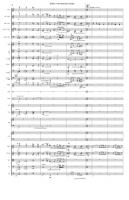
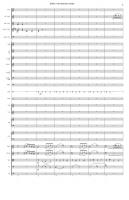
Michael Jackson
Michael Joseph Jackson (August 29, 1958 – June 25, 2009) was an American singer, dancer and entertainer. Referred to as the King of Pop, he is the most commercially successful entertainer of all time, and one of the most influential. His contributions to music, dance and fashion, along with a much publicized personal life, made him a global figure in popular culture for over four decades.
Alongside his brothers, he made his debut as lead singer and youngest member of The Jackson 5 in 1964. He began his solo career in 1971. His 1982 album Thriller remains the best-selling album ever, with Off the Wall (1979), Bad (1987), Dangerous (1991) and HIStory (1995) also among the world's best-selling albums. He is widely credited with having transformed the music video from a promotional tool into an art form with videos for his songs such as "Billie Jean", "Beat It" and "Thriller" making him the first African American artist to amass a strong crossover following on MTV. With stage performances and music videos, Jackson popularized a number of physically complicated dance techniques, such as the robot and the moonwalk. His distinctive musical sound, vocal style, and choreography, is credited with stretching across and breaking down cultural, racial, economic, generational, and global barriers that has inspired countless pop, rock, R&B and hip hop artists.
One of the few artists to have been inducted into the Rock and Roll Hall of Fame twice, his other achievements feature multiple Guinness World Records—including the "Most Successful Entertainer of All Time"—15 Grammy Awards (including the "Living Legend Award" and the "Lifetime Achievement Award"), 26 American Music Awards (24 only as a solo artist, including one for "Artist of the Century")—more than any artist—, 17 number one singles in the US (including the four as a member of the Jackson 5), and estimated sales of up to 750 million records worldwide making him the world's best selling artist in history.
Jackson's personal relationships and life generated controversy for years. His changing appearance was noticed from the late 1970s onwards, with changes to his nose and to the color of his skin drawing media publicity. He was accused of child sexual abuse in 1993 though no charges were brought, and in 2005 he was tried and acquitted when the jury ruled him not guilty on all charges. He married twice, first in 1994 and again in 1996, and brought up three children, one born to a surrogate mother. While preparing for the This Is It concert tour in 2009, Jackson died at the age of 50 after suffering from cardiac arrest. He reportedly had been administered drugs such as propofol and lorazepam, and his death was ruled a homicide by the Los Angeles County coroner. His death triggered an outpouring of grief from around the world with his globally live broadcast memorial service attracting an audience of up to one billion people; as well as a huge surge in his album sales, resulting in him becoming the best selling artist of 2009 with sales in excess of 8.2 million in the United States where he became the first artist ever to have 4 of the top 20 best-selling albums in a single year, and 29 million albums globally, where he had an unprecedented 8 of the top 25 best-selling albums worldwide.
Alongside his brothers, he made his debut as lead singer and youngest member of The Jackson 5 in 1964. He began his solo career in 1971. His 1982 album Thriller remains the best-selling album ever, with Off the Wall (1979), Bad (1987), Dangerous (1991) and HIStory (1995) also among the world's best-selling albums. He is widely credited with having transformed the music video from a promotional tool into an art form with videos for his songs such as "Billie Jean", "Beat It" and "Thriller" making him the first African American artist to amass a strong crossover following on MTV. With stage performances and music videos, Jackson popularized a number of physically complicated dance techniques, such as the robot and the moonwalk. His distinctive musical sound, vocal style, and choreography, is credited with stretching across and breaking down cultural, racial, economic, generational, and global barriers that has inspired countless pop, rock, R&B and hip hop artists.
One of the few artists to have been inducted into the Rock and Roll Hall of Fame twice, his other achievements feature multiple Guinness World Records—including the "Most Successful Entertainer of All Time"—15 Grammy Awards (including the "Living Legend Award" and the "Lifetime Achievement Award"), 26 American Music Awards (24 only as a solo artist, including one for "Artist of the Century")—more than any artist—, 17 number one singles in the US (including the four as a member of the Jackson 5), and estimated sales of up to 750 million records worldwide making him the world's best selling artist in history.
Jackson's personal relationships and life generated controversy for years. His changing appearance was noticed from the late 1970s onwards, with changes to his nose and to the color of his skin drawing media publicity. He was accused of child sexual abuse in 1993 though no charges were brought, and in 2005 he was tried and acquitted when the jury ruled him not guilty on all charges. He married twice, first in 1994 and again in 1996, and brought up three children, one born to a surrogate mother. While preparing for the This Is It concert tour in 2009, Jackson died at the age of 50 after suffering from cardiac arrest. He reportedly had been administered drugs such as propofol and lorazepam, and his death was ruled a homicide by the Los Angeles County coroner. His death triggered an outpouring of grief from around the world with his globally live broadcast memorial service attracting an audience of up to one billion people; as well as a huge surge in his album sales, resulting in him becoming the best selling artist of 2009 with sales in excess of 8.2 million in the United States where he became the first artist ever to have 4 of the top 20 best-selling albums in a single year, and 29 million albums globally, where he had an unprecedented 8 of the top 25 best-selling albums worldwide.
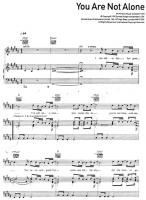
Claude Bolling
Claude Bolling (born 10 April 1930), is a renowned French jazz pianist, composer, arranger, and occasional actor.
He was born in Cannes, studied at the Nice Conservatory, then in Paris. A child prodigy, by age 14 he was playing jazz piano professionally, with Lionel Hampton, Roy Eldridge, and Kenny Clarke. Bolling's books on jazz technique show that he did not delve far beyond bebop into much avant garde jazz. He was a major part of the traditional jazz revival in the late 1960s, and he became friends with Oscar Peterson.
He has written music for over one hundred films, mostly French, starting with the score for a 1957 documentary about the Cannes Film Festival, and including the films Borsalino (1970), and California Suite (1978).
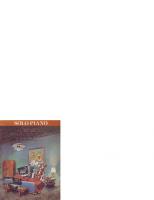
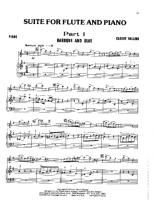
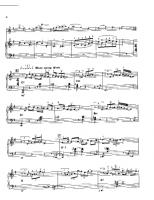
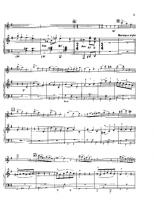
Bolling is also noted for a series of "crossover" collaborations with classical musicians. His Suite for Flute and Jazz Piano Trio with Jean-Pierre Rampal, a mix of Baroque elegance with modern swing, has been a top seller for many years, and was followed up by other works in the same vein. It was particularly popular in the United States, at the top of the hit parade for two years after its release and on billboard top 40 for 530 weeks, roughly ten years.
Following his work with Rampal, Bolling went on to work with many other musicians, from different genres, including Alexandre Lagoya, Pinchas Zukerman, Maurice André, and Yo-Yo Ma. He has also worked with, and performed tributes to many others, including Lionel Hampton, Duke Ellington, Stéphane Grappelli, Django Reinhardt, Oscar Peterson.
He was born in Cannes, studied at the Nice Conservatory, then in Paris. A child prodigy, by age 14 he was playing jazz piano professionally, with Lionel Hampton, Roy Eldridge, and Kenny Clarke. Bolling's books on jazz technique show that he did not delve far beyond bebop into much avant garde jazz. He was a major part of the traditional jazz revival in the late 1960s, and he became friends with Oscar Peterson.
He has written music for over one hundred films, mostly French, starting with the score for a 1957 documentary about the Cannes Film Festival, and including the films Borsalino (1970), and California Suite (1978).
Bolling is also noted for a series of "crossover" collaborations with classical musicians. His Suite for Flute and Jazz Piano Trio with Jean-Pierre Rampal, a mix of Baroque elegance with modern swing, has been a top seller for many years, and was followed up by other works in the same vein. It was particularly popular in the United States, at the top of the hit parade for two years after its release and on billboard top 40 for 530 weeks, roughly ten years.
Following his work with Rampal, Bolling went on to work with many other musicians, from different genres, including Alexandre Lagoya, Pinchas Zukerman, Maurice André, and Yo-Yo Ma. He has also worked with, and performed tributes to many others, including Lionel Hampton, Duke Ellington, Stéphane Grappelli, Django Reinhardt, Oscar Peterson.
Ray Henderson
Ray Henderson (December 1, 1896 – December 31, 1970), was an American songwriter.
Born Raymond Brost in Buffalo, New York, Henderson moved to New York City and became a popular composer in Tin Pan Alley. He was one third of a successful songwriting and music publishing team with Lew Brown and Buddy De Sylva from 1925 through 1930, responsible for several editions of the revue called George White's Scandals and such book musicals as Good News, Hold Everything!, and Follow Thru. After De Sylva's departure, Henderson continued to write with Brown through 1933, then worked with other partners. In 1934 he composed the musical Say When with lyricist Ted Koehler.
Henderson's biggest hit songs included "That Old Gang of Mine", "Annabelle" (both 1923), "Bye Bye Blackbird", "Five Foot Two, Eyes of Blue", "I'm Sitting on Top of the World" (all 1925), "The Varsity Drag" (1927), "You're The Cream In My Coffee" (1928), "Button Up Your Overcoat", "You Are My Lucky Star" "I'm A Dreamer, Aren't We All", "Keep Your Sunny Side Up" (1929), "The Thrill Is Gone", and "Life Is Just a Bowl of Cherries" (1931).
Born Raymond Brost in Buffalo, New York, Henderson moved to New York City and became a popular composer in Tin Pan Alley. He was one third of a successful songwriting and music publishing team with Lew Brown and Buddy De Sylva from 1925 through 1930, responsible for several editions of the revue called George White's Scandals and such book musicals as Good News, Hold Everything!, and Follow Thru. After De Sylva's departure, Henderson continued to write with Brown through 1933, then worked with other partners. In 1934 he composed the musical Say When with lyricist Ted Koehler.
Henderson's biggest hit songs included "That Old Gang of Mine", "Annabelle" (both 1923), "Bye Bye Blackbird", "Five Foot Two, Eyes of Blue", "I'm Sitting on Top of the World" (all 1925), "The Varsity Drag" (1927), "You're The Cream In My Coffee" (1928), "Button Up Your Overcoat", "You Are My Lucky Star" "I'm A Dreamer, Aren't We All", "Keep Your Sunny Side Up" (1929), "The Thrill Is Gone", and "Life Is Just a Bowl of Cherries" (1931).
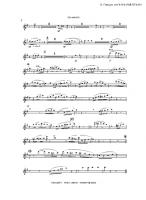
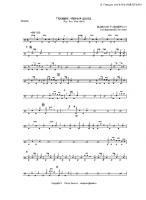
G. F. Handel
George Frideric Handel (German: Georg Friedrich Händel; pronounced ) (23 February 1685 – 14 April 1759) was a German-English Baroque composer who is famous for his operas, oratorios, and concerti grossi. Handel was born in Germany in the same year as JS Bach and Domenico Scarlatti. He received critical musical training in Italy before settling in London and becoming a naturalised British subject. His works include Messiah, Water Music, and Music for the Royal Fireworks. He was strongly influenced by the techniques of the great composers of the Italian Baroque and the English composer Henry Purcell. Handel's music was well-known to many composers, including Haydn, Mozart, and Beethoven.
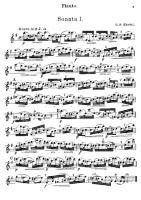
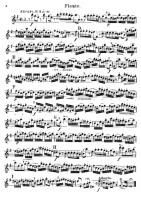
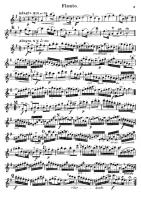
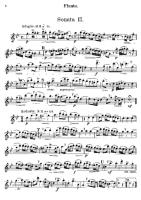
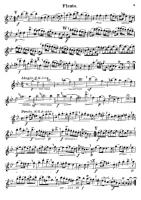
Hindemith
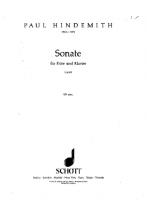
Farrenc
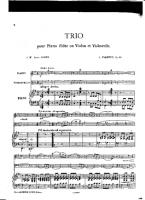
Mozart
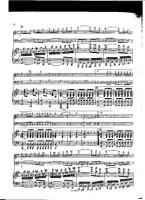
Wolfgang Amadeus Mozart, full name Johann Chrysostom Wolfgang Amadeus Mozart (27 January 1756 â 5 December 1791) was a prolific and influential composer of the Classical era. His over 600 compositions include works widely acknowledged as pinnacles of symphonic, concertante, chamber, piano, operatic, and choral music. Mozart is among the most enduringly popular of classical composers, and many of his works are part of the standard concert repertoire.
Mozart's music, like Haydn's, stands as an archetypal example of the Classical style. His works spanned the period during which that style transformed from one exemplified by the style galant to one that began to incorporate some of the contrapuntal complexities of the late Baroque, complexities against which the galant style had been a reaction. Mozart's own stylistic development closely paralleled the development of the classical style as a whole. In addition, he was a versatile composer and wrote in almost every major genre, including symphony, opera, the solo concerto, chamber music including string quartet and string quintet, and the piano sonata. While none of these genres were new, the piano concerto was almost single-handedly developed and popularized by Mozart. He also wrote a great deal of religious music, including masses; and he composed many dances, divertimenti, serenades, and other forms of light entertainment.
The central traits of the classical style can be identified in Mozart's music. Clarity, balance, and transparency are hallmarks of his work.
Mozart's music, like Haydn's, stands as an archetypal example of the Classical style. His works spanned the period during which that style transformed from one exemplified by the style galant to one that began to incorporate some of the contrapuntal complexities of the late Baroque, complexities against which the galant style had been a reaction. Mozart's own stylistic development closely paralleled the development of the classical style as a whole. In addition, he was a versatile composer and wrote in almost every major genre, including symphony, opera, the solo concerto, chamber music including string quartet and string quintet, and the piano sonata. While none of these genres were new, the piano concerto was almost single-handedly developed and popularized by Mozart. He also wrote a great deal of religious music, including masses; and he composed many dances, divertimenti, serenades, and other forms of light entertainment.
The central traits of the classical style can be identified in Mozart's music. Clarity, balance, and transparency are hallmarks of his work.
Handel
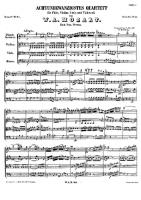
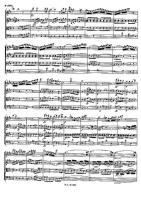
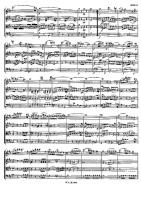
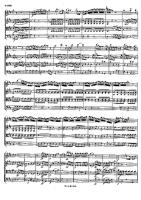
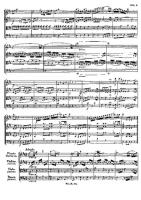
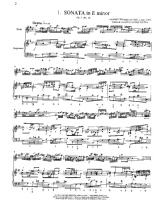
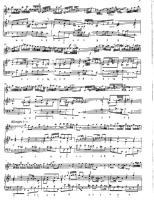
George Frideric Handel (Friday, 23 February 1685 - Saturday, 14 April 1759) was a German-born Baroque composer who is famous for his operas, oratorios and concerti grossi. Born as Georg Friedrich Handel in Halle, he spent most of his adult life in England, becoming a subject of the British crown on 22 January 1727. His most famous works are Messiah, an oratorio set to texts from the King James Bible; Water Music; and Music for the Royal Fireworks. Strongly influenced by the techniques of the great composers of the Italian Baroque and the English composer Henry Purcell, his music was known to many significant composers who came after him, including Haydn, Mozart, and Beethoven.
Handel's compositions include 42 operas; 29 oratorios; more than 120 cantatas, trios and duets; numerous arias; chamber music; a large number of ecumenical pieces; odes and serenatas; and sixteen organ concerti. His most famous work, the Messiah oratorio with its "Hallelujah" chorus, is among the most popular works in choral music and has become a centerpiece of the Christmas season. Also popular are the Opus 3 and 6 Concerti Grossi, as well as "The Cuckoo and the Nightingale", in which birds are heard calling during passages played in different keys representing the vocal ranges of two birds. Also notable are his sixteen keyboard suites, especially The Harmonious Blacksmith.
Handel introduced various previously uncommon musical instruments in his works: the viola d'amore and violetta marina (Orlando), the lute (Ode for St. Cecilia's Day), three trombones (Saul), clarinets or small high cornets (Tamerlano), theorbo, French horn (Water Music), lyrichord, double bassoon, viola da gamba, bell chimes, positive organ, and harp (Giulio Cesare, Alexander's Feast).
Handel's compositions include 42 operas; 29 oratorios; more than 120 cantatas, trios and duets; numerous arias; chamber music; a large number of ecumenical pieces; odes and serenatas; and sixteen organ concerti. His most famous work, the Messiah oratorio with its "Hallelujah" chorus, is among the most popular works in choral music and has become a centerpiece of the Christmas season. Also popular are the Opus 3 and 6 Concerti Grossi, as well as "The Cuckoo and the Nightingale", in which birds are heard calling during passages played in different keys representing the vocal ranges of two birds. Also notable are his sixteen keyboard suites, especially The Harmonious Blacksmith.
Handel introduced various previously uncommon musical instruments in his works: the viola d'amore and violetta marina (Orlando), the lute (Ode for St. Cecilia's Day), three trombones (Saul), clarinets or small high cornets (Tamerlano), theorbo, French horn (Water Music), lyrichord, double bassoon, viola da gamba, bell chimes, positive organ, and harp (Giulio Cesare, Alexander's Feast).
Frank Sinatra
Francis Albert "Frank" Sinatra (December 12, 1915 â May 14, 1998) was an American singer and actor.
Beginning his musical career in the swing era with Harry James and Tommy Dorsey, Sinatra became a solo artist with great success in the early to mid-1940s, being the idol of the "bobby soxers". His professional career had stalled by the 1950s, but it was reborn in 1954 after he won the Academy Award for Best Supporting Actor.
He signed with Capitol Records and released several critically lauded albums (such as In the Wee Small Hours, Songs for Swingin' Lovers, Come Fly with Me, Only the Lonely and Nice 'n' Easy). Sinatra left Capitol to found his own record label, Reprise Records (finding success with albums such as Ring-A-Ding-Ding, Sinatra at the Sands and Francis Albert Sinatra & Antonio Carlos Jobim), toured internationally, and fraternized with the Rat Pack and President John F. Kennedy in the early 1960s. Sinatra turned 50 in 1965, recorded the retrospective September of My Years, starred in the Emmy-winning television special Frank Sinatra: A Man and His Music, and scored hits with "Strangers in the Night" and "My Way".
Sinatra attempted to weather the changing tastes in popular music, but with dwindling album sales and after appearing in several poorly received films, he retired in 1971. Coming out of retirement in 1973, he recorded several albums, scoring a hit with "(Theme From) New York, New York" in 1980, and toured both within the United States and internationally until a few years before his death in 1998.
Sinatra also forged a career as a dramatic actor, winning the Academy Award for Best Supporting Actor for his performance in From Here to Eternity, and he was nominated for the Academy Award for Best Actor for The Man with the Golden Arm. His also starred in such musicals as High Society, Pal Joey, Guys and Dolls and On the Town. Sinatra was honored with the Kennedy Center Honors in 1983 and awarded the Presidential Medal of Freedom by Ronald Reagan in 1985 and the Congressional Gold Medal in 1997. Sinatra was also the recipient of eleven Grammy Awards, including the Grammy Trustees Award, Grammy Legend Award and the Grammy Lifetime Achievement Award.
Beginning his musical career in the swing era with Harry James and Tommy Dorsey, Sinatra became a solo artist with great success in the early to mid-1940s, being the idol of the "bobby soxers". His professional career had stalled by the 1950s, but it was reborn in 1954 after he won the Academy Award for Best Supporting Actor.
He signed with Capitol Records and released several critically lauded albums (such as In the Wee Small Hours, Songs for Swingin' Lovers, Come Fly with Me, Only the Lonely and Nice 'n' Easy). Sinatra left Capitol to found his own record label, Reprise Records (finding success with albums such as Ring-A-Ding-Ding, Sinatra at the Sands and Francis Albert Sinatra & Antonio Carlos Jobim), toured internationally, and fraternized with the Rat Pack and President John F. Kennedy in the early 1960s. Sinatra turned 50 in 1965, recorded the retrospective September of My Years, starred in the Emmy-winning television special Frank Sinatra: A Man and His Music, and scored hits with "Strangers in the Night" and "My Way".
Sinatra attempted to weather the changing tastes in popular music, but with dwindling album sales and after appearing in several poorly received films, he retired in 1971. Coming out of retirement in 1973, he recorded several albums, scoring a hit with "(Theme From) New York, New York" in 1980, and toured both within the United States and internationally until a few years before his death in 1998.
Sinatra also forged a career as a dramatic actor, winning the Academy Award for Best Supporting Actor for his performance in From Here to Eternity, and he was nominated for the Academy Award for Best Actor for The Man with the Golden Arm. His also starred in such musicals as High Society, Pal Joey, Guys and Dolls and On the Town. Sinatra was honored with the Kennedy Center Honors in 1983 and awarded the Presidential Medal of Freedom by Ronald Reagan in 1985 and the Congressional Gold Medal in 1997. Sinatra was also the recipient of eleven Grammy Awards, including the Grammy Trustees Award, Grammy Legend Award and the Grammy Lifetime Achievement Award.
Michael Sweeney
Michael Sweeney (born 1952) is an ASCAP award-winning American composer and musician.
Sweeney studied music education and composition at the Indiana University Bloomington Work. Sweeney taught five years in publics schools of Ohio and Indiana, where he taught many concert, jazz and marching programs (including three years with the respected Greenwood High School Marching Woodmen) for students from elementary to high school.
Since 1982, he has worked full time for Hal Leonard Corporation in Milwaukee, Wisconsin and is currently Director of Band Publications. In addition, he contributes as a composer and arranger in all instrumental areas. Sweeney is particularly known for his writing at the younger levels for concert and jazz bands, and has over 500 publications to his credit. His works appear on numerous state contest lists and his music is regularly performed around the world. An ASCAP award-winning composer, his "Ancient Voices" (1994) and "Imperium" (1992) are analyzed in music education texts from GIA Publications.
Sweeney is also on high demand as a clinician and conductor for honor bands and music festivals.
Sweeney studied music education and composition at the Indiana University Bloomington Work. Sweeney taught five years in publics schools of Ohio and Indiana, where he taught many concert, jazz and marching programs (including three years with the respected Greenwood High School Marching Woodmen) for students from elementary to high school.
Since 1982, he has worked full time for Hal Leonard Corporation in Milwaukee, Wisconsin and is currently Director of Band Publications. In addition, he contributes as a composer and arranger in all instrumental areas. Sweeney is particularly known for his writing at the younger levels for concert and jazz bands, and has over 500 publications to his credit. His works appear on numerous state contest lists and his music is regularly performed around the world. An ASCAP award-winning composer, his "Ancient Voices" (1994) and "Imperium" (1992) are analyzed in music education texts from GIA Publications.
Sweeney is also on high demand as a clinician and conductor for honor bands and music festivals.
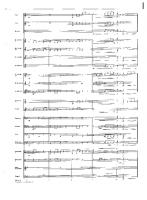
Drigo
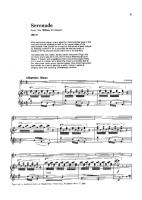
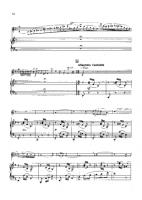
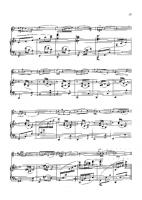
Bozza
Quantz
Messiaen
J. S. Bach
Johann Sebastian Bach (21 March 1685, O.S.31 March 1685, N.S. – 28 July 1750, N.S.) was a German composer, organist, harpsichordist, violist, and violinist whose sacred and secular works for choir, orchestra, and solo instruments drew together the strands of the Baroque period and brought it to its ultimate maturity. Although he did not introduce new forms, he enriched the prevailing German style with a robust contrapuntal technique, an unrivalled control of harmonic and motivic organisation, and the adaptation of rhythms, forms and textures from abroad, particularly from Italy and France.
Revered for their intellectual depth, technical command and artistic beauty, Bach's works include the Brandenburg Concertos, the Goldberg Variations, the Partitas, The Well-Tempered Clavier, the Mass in B minor, the St Matthew Passion, the St John Passion, the Magnificat, A Musical Offering, The Art of Fugue, the English and French Suites, the Sonatas and Partitas for solo violin, the Cello Suites, more than 200 surviving cantatas, and a similar number of organ works, including the famous Toccata and Fugue in D minor and Passacaglia and Fugue in C minor, as well as the Great Eighteen Chorale Preludes and Organ Mass.
Bach's abilities as an organist were highly respected throughout Europe during his lifetime, although he was not widely recognised as a great composer until a revival of interest and performances of his music in the first half of the 19th century. He is now generally regarded as one of the main composers of the Baroque style, and as one of the greatest composers of all time.
Revered for their intellectual depth, technical command and artistic beauty, Bach's works include the Brandenburg Concertos, the Goldberg Variations, the Partitas, The Well-Tempered Clavier, the Mass in B minor, the St Matthew Passion, the St John Passion, the Magnificat, A Musical Offering, The Art of Fugue, the English and French Suites, the Sonatas and Partitas for solo violin, the Cello Suites, more than 200 surviving cantatas, and a similar number of organ works, including the famous Toccata and Fugue in D minor and Passacaglia and Fugue in C minor, as well as the Great Eighteen Chorale Preludes and Organ Mass.
Bach's abilities as an organist were highly respected throughout Europe during his lifetime, although he was not widely recognised as a great composer until a revival of interest and performances of his music in the first half of the 19th century. He is now generally regarded as one of the main composers of the Baroque style, and as one of the greatest composers of all time.
Rachmaninoff
Sergei Vasilievich Rachmaninoff (1 April 1873 - 28 March 1943) was a Russian composer, pianist, and conductor. He was one of the finest pianists of his day and, as a composer, the last great representative of Russian late Romanticism in classical music. Early influences of Tchaikovsky, Rimsky-Korsakov and other Russian composers gave way to a thoroughly personal idiom which included a pronounced lyricism, expressive breadth, structural ingenuity and a tonal palette of rich, distinctive orchestral colors.
Understandably, the piano figures prominently in Rachmaninoff's compositional output, either as a solo instrument or as part of an ensemble. He made it a point, however, to use his own skills as a performer to explore fully the expressive possibilities of the instrument. Even in his earliest works, he revealed a sure grasp of idiomatic piano writing and a striking gift for melody. In some of his early orchestral pieces he showed the first signs of a talent for tone painting, which he would perfect in The Isle of the Dead, and he began to show a similar penchant for vocal writing in two early sets of songs, Opp. 4 and 8. Rachmaninoff's masterpiece, however, is his choral symphony The Bells, in which all of his talents are fused and unified.
Rachmaninoff sometimes felt threatened by the success of modernists such as Scriabin and Prokofiev and wondered whether to cease composing even before he left Russia. His musical philosophy was rooted in the Russian spiritual tradition, where the role of the artist was to create beauty and to speak the truth from the depths of his heart. In his last major interview, in 1941, he admitted his music, like Russian music, was a product of his temperament. He said, on another occasion, "The new kind of music seems to create not from the heart but from the head. Its composers think rather than feel. They have not the capacity to make their works exalt—they meditate, protest, analyze, reason, calculate and brood, but they do not exalt."
Understandably, the piano figures prominently in Rachmaninoff's compositional output, either as a solo instrument or as part of an ensemble. He made it a point, however, to use his own skills as a performer to explore fully the expressive possibilities of the instrument. Even in his earliest works, he revealed a sure grasp of idiomatic piano writing and a striking gift for melody. In some of his early orchestral pieces he showed the first signs of a talent for tone painting, which he would perfect in The Isle of the Dead, and he began to show a similar penchant for vocal writing in two early sets of songs, Opp. 4 and 8. Rachmaninoff's masterpiece, however, is his choral symphony The Bells, in which all of his talents are fused and unified.
Rachmaninoff sometimes felt threatened by the success of modernists such as Scriabin and Prokofiev and wondered whether to cease composing even before he left Russia. His musical philosophy was rooted in the Russian spiritual tradition, where the role of the artist was to create beauty and to speak the truth from the depths of his heart. In his last major interview, in 1941, he admitted his music, like Russian music, was a product of his temperament. He said, on another occasion, "The new kind of music seems to create not from the heart but from the head. Its composers think rather than feel. They have not the capacity to make their works exalt—they meditate, protest, analyze, reason, calculate and brood, but they do not exalt."
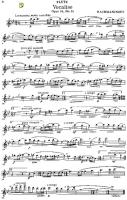
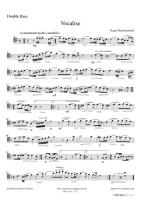
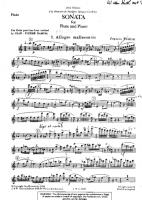
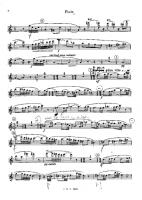
Poulenc
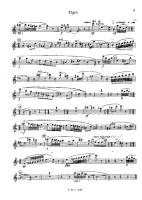
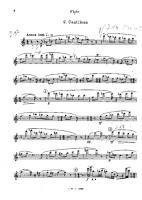
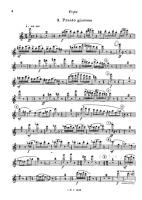
Rimsky
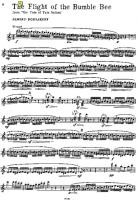
Burton
Chaminade
Brown
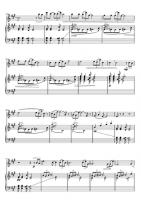
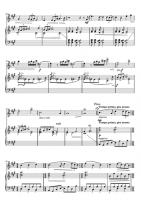
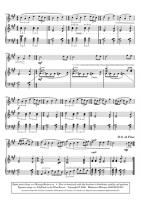
Bettinelli
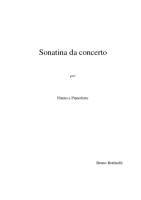
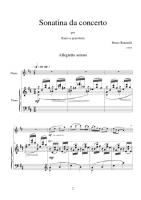
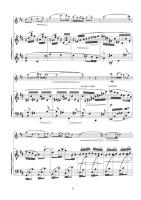
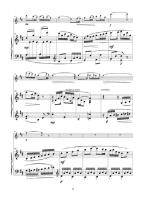
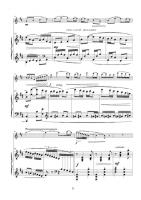
Gaubert
L. A. Minkus
Tchaikovsky
Pyotr Il'yich Tchaikovsky (May 7 1840 â November 6 1893) was a Russian composer of the Romantic era. While not part of the nationalistic music group known as "The Five", Tchaikovsky wrote music which, in the opinion of Harold Schonberg, was distinctly Russian: plangent, introspective, with modally-inflected melody and harmony.
Aesthetically, Tchaikovsky remained open to all aspects of Saint Petersburg musical life. He was impressed by Serov and Balakirev as well as the classical values upheld by the conservatory. Both the progressive and conservative camps in Russian music at the time attempted to win him over. Tchaikovsky charted his compositional course between these two factions, retaining his individuality as a composer as well as his Russian identity. In this he was influenced by the ideals of his teacher Nikolai Rubinstein and Nikolai's brother Anton.
Tchaikovsky's musical cosmopolitanism led him to be favored by many Russian music-lovers over the "Russian" harmonies and styles of Mussorgsky, Borodin and Rimsky-Korsakov.
Nonetheless he frequently adapted Russian traditional melodies and dance forms in his music, which enhanced his success in his home country. The success in St. Petersburg at the premiere of his Third Orchestral Suite may have been due in large part to his concluding the work with a polonaise. He also used a polonaise for the final movement of his Third Symphony.
Aesthetically, Tchaikovsky remained open to all aspects of Saint Petersburg musical life. He was impressed by Serov and Balakirev as well as the classical values upheld by the conservatory. Both the progressive and conservative camps in Russian music at the time attempted to win him over. Tchaikovsky charted his compositional course between these two factions, retaining his individuality as a composer as well as his Russian identity. In this he was influenced by the ideals of his teacher Nikolai Rubinstein and Nikolai's brother Anton.
Tchaikovsky's musical cosmopolitanism led him to be favored by many Russian music-lovers over the "Russian" harmonies and styles of Mussorgsky, Borodin and Rimsky-Korsakov.
Nonetheless he frequently adapted Russian traditional melodies and dance forms in his music, which enhanced his success in his home country. The success in St. Petersburg at the premiere of his Third Orchestral Suite may have been due in large part to his concluding the work with a polonaise. He also used a polonaise for the final movement of his Third Symphony.
Jolivet

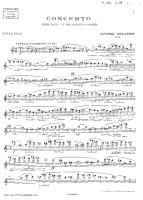
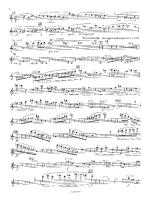
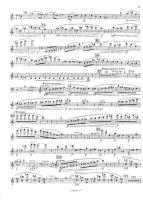
Kohler
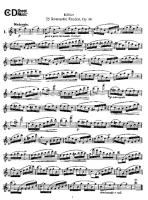
Debussy
Achille-Claude Debussy (August 22, 1862 – March 25, 1918) was a French composer. Along with Maurice Ravel, he is considered one of the most prominent figures working within the field of Impressionist music, though he himself intensely disliked the term when applied to his compositions. Debussy was not only among the most important of all French composers but also was a central figure in all European music at the turn of the twentieth century.
Debussy's music virtually defines the transition from late-Romantic music to twentieth century modernist music. In French literary circles, the style of this period was known as Symbolism, a movement that directly inspired Debussy both as a composer and as an active cultural participant.
Debussy's music virtually defines the transition from late-Romantic music to twentieth century modernist music. In French literary circles, the style of this period was known as Symbolism, a movement that directly inspired Debussy both as a composer and as an active cultural participant.
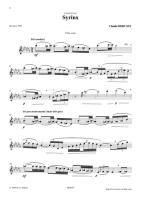
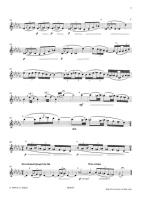
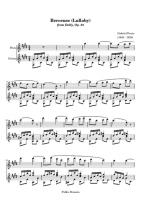
G. Fauré
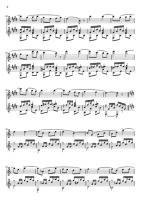
Varese
How To Succeed In Business Without Really Trying
How to Succeed in Business Without Really Trying is a musical with music and lyrics by Frank Loesser and book by Abe Burrows, Jack Weinstock, and Willie Gilbert, based on Shepherd Mead's 1952 book of the same name.
The musical opened at the 46th Street Theatre on Broadway in October 1961, running for 1,417 performances. The show won seven Tony Awards, the New York Drama Critics Circle award, and the 1962 Pulitzer Prize for Drama. In 1967, a film based on the musical was released by United Artists, with many of the original cast recreating their roles. A 1995 revival was mounted at the same theater as the original production (now named the Richard Rodgers Theatre), and ran for 548 performances, and starred Matthew Broderick and Megan Mullally.
The musical opened at the 46th Street Theatre on Broadway in October 1961, running for 1,417 performances. The show won seven Tony Awards, the New York Drama Critics Circle award, and the 1962 Pulitzer Prize for Drama. In 1967, a film based on the musical was released by United Artists, with many of the original cast recreating their roles. A 1995 revival was mounted at the same theater as the original production (now named the Richard Rodgers Theatre), and ran for 548 performances, and starred Matthew Broderick and Megan Mullally.
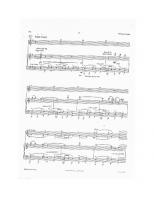
Hosokawa
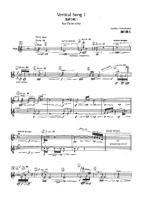
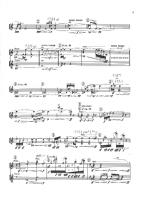
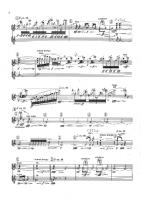
Search for Free Sheet Music
You can make a search through the entire collection of sheets.
You can make a search through the entire collection of sheets.