
Flute Sheet Music
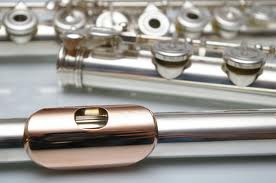 "At a beach house in Malibu that the Buffalo Springfield had rented, I set up my big amps, we (Jimi Hendrix, Buddy Miles, Bruce Palmer and Steven Stills) ... just went. We played quite literally for twenty straight hours. We must have made up fifty songs, but there was no tape running, no nothing, we just played for the ocean .... and that night I really started to learn how to play lead guitar" Steven Stills / Buffalo Springfield / Crosby, Stills, Nash & Young / Manassas
Joachim Andersen
Carl Joachim Andersen (April 29, 1847 – May 7, 1909) was a Danish flutist, conductor and composer born in Copenhagen, son of the flutist Christian Joachim Andersen. Both as a virtuoso and as composer of flute music, he is considered one of the best of his time. He was a tough leader and teacher and demanded as such a lot from his orchestras but through that style he reached a high level.
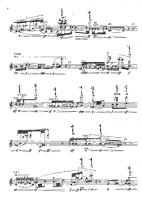
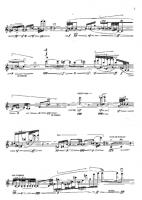
Toru Takemitsu
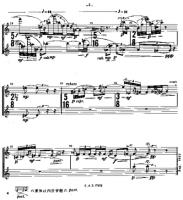
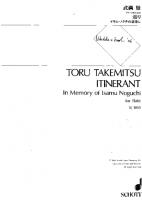
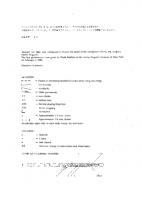
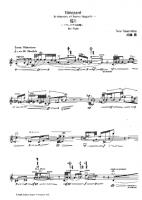
Tōru Takemitsu was a Japanese composer and writer on aesthetics and music theory. Largely self-taught, Takemitsu possessed consummate skill in the subtle manipulation of instrumental and orchestral timbre.
Alan Silvestri
Alan Anthony Silvestri (born March 26, 1950) is an Academy Award-nominated American film score composer and conductor.
estri is best known for his collaborations with director Robert Zemeckis, having scored Romancing the Stone (1984), the Back to the Future trilogy (1985, 1989, 1990), Who Framed Roger Rabbit (1988), Death Becomes Her (1992), Forrest Gump (1994), Contact (1997), Cast Away (2000), The Polar Express (2004) , Beowulf (2007) and Disney's A Christmas Carol (2009).
Silvestri is also known for his work on Predator (1987) and Predator 2 (1990), both of which are considered preeminent examples of action/sci-fi film scores. He has also begun a collaboration with director Stephen Sommers, scoring the films The Mummy Returns in 2001, Van Helsing in 2004 and G.I. Joe: The Rise of Cobra in 2009.
Silvestri also composed music for television, including for the series Starsky & Hutch, CHiPs , Manimal and HBO's Tales from the Crypt.
Silvestri was 21 years old when he started his film/televsion composing career.
His early style is marked by a strong use of the "octatonic scale," as well as an eclectic use of different notes and instruments.
It was thought that Silvestri was allegedly inspired by the works of Barry DeVorzon, Perry Botkin, Jr., Lalo Schifrin, Jerry Fielding, Jerry Goldsmith and John Williams.
estri is best known for his collaborations with director Robert Zemeckis, having scored Romancing the Stone (1984), the Back to the Future trilogy (1985, 1989, 1990), Who Framed Roger Rabbit (1988), Death Becomes Her (1992), Forrest Gump (1994), Contact (1997), Cast Away (2000), The Polar Express (2004) , Beowulf (2007) and Disney's A Christmas Carol (2009).
Silvestri is also known for his work on Predator (1987) and Predator 2 (1990), both of which are considered preeminent examples of action/sci-fi film scores. He has also begun a collaboration with director Stephen Sommers, scoring the films The Mummy Returns in 2001, Van Helsing in 2004 and G.I. Joe: The Rise of Cobra in 2009.
Silvestri also composed music for television, including for the series Starsky & Hutch, CHiPs , Manimal and HBO's Tales from the Crypt.
Silvestri was 21 years old when he started his film/televsion composing career.
His early style is marked by a strong use of the "octatonic scale," as well as an eclectic use of different notes and instruments.
It was thought that Silvestri was allegedly inspired by the works of Barry DeVorzon, Perry Botkin, Jr., Lalo Schifrin, Jerry Fielding, Jerry Goldsmith and John Williams.





Uni Akiyama
Uni Akiyama (あきやま うに Akiyama Uni), pen-name U2 or U2 Akiyama, is a member of the circle Twilight Frontier and is responsible for composing and arranging music as heard in Immaterial and Missing Power, Scarlet Weather Rhapsody, Touhou Hisoutensoku, Hopeless Masquerade, Urban Legend in Limbo, and Antinomy of Common Flowers.

Georges Bizet
Georges Bizet (25 October 1838 – 3 June 1875) was a French composer and pianist of the Romantic era. He is best known for the opera Carmen.
Bizet was born at 26 rue de la Tour d'Auvergne in the 9th arrondissement of Paris in 1838. He was registered with the legal name Alexandre César Léopold Bizet, but he was baptised on 16 March 1840 with the first name Georges, and he was always known thereafter as Georges Bizet. His father Adolphe Armand Bizet (1810-86) was an amateur singer and composer, and his mother, Aimée Léopoldine Joséphine née Delsarte (1814-61), was the sister of the famous singing teacher François Delsarte.
He entered the Paris Conservatory of Music on 9 October 1848, a fortnight before his tenth birthday. His teachers there were Pierre Zimmermann (fugue and counterpoint; often assisted by his son-in-law Charles Gounod), Antoine François Marmontel (piano), François Benoist (organ) and, on Zimmermann's death, Fromental Halévy, whose daughter he himself later married. He won first prizes for organ and fugue in 1855 and completed his earliest compositions.
His first symphony, the Symphony in C, was written in November 1855, when he was seventeen, evidently as a student assignment. It was unknown to the world until 1933, when it was discovered in the archives of the Paris Conservatory library. Upon its first performance in 1935, it was immediately hailed as a junior masterwork and a welcome addition to the early Romantic period repertoire. The symphony bears a stylistic resemblance to the first symphony of Gounod, first played earlier in the same year, and which Bizet had arranged for two pianos although present-day listeners may discern a similarity to music of Franz Schubert, whose work was little known in France at the time the symphony was written.
In 1857, a setting of the one-act operetta Le docteur Miracle won him a share in a prize offered by Jacques Offenbach. He also won the music composition scholarship of the Prix de Rome, the conditions of which required him to study in Rome for three years. There, his talent developed as he wrote such works as the opera buffa Don Procopio (1858-59). There he also composed his only major sacred work, Te Deum (1858), which he submitted to the Prix Rodrigues competition, a contest for Prix de Rome winners only. Bizet failed to win the Prix Rodrigues, and the Te Deum score remained unpublished until 1971. He made two attempts to write another symphony in 1859, but destroyed the manuscripts in December of that year. Apart from this period in Rome, Bizet lived in the Paris area all his life.
Shortly after leaving Rome in July 1860, but while still touring in Italy, he had the idea of writing a symphony in which each of the four movements would be a musical evocation of a different Italian city – Rome, Venice, Florence and Naples. On hearing of his mother's serious illness he cut short his Italian travels and returned to Paris in September 1860; she died a year later. The Scherzo of the symphony was completed by November 1861, but it was not until 1866 that the first version of the whole symphony was written. He subjected it to a number of revisions through to 1871, but died before ever producing what he considered the definitive version. For this reason, the work is sometimes described as "unfinished", but this is an inaccurate description as it was fully scored. It was published in 1880 as the Roma Symphony.
Bizet was born at 26 rue de la Tour d'Auvergne in the 9th arrondissement of Paris in 1838. He was registered with the legal name Alexandre César Léopold Bizet, but he was baptised on 16 March 1840 with the first name Georges, and he was always known thereafter as Georges Bizet. His father Adolphe Armand Bizet (1810-86) was an amateur singer and composer, and his mother, Aimée Léopoldine Joséphine née Delsarte (1814-61), was the sister of the famous singing teacher François Delsarte.
He entered the Paris Conservatory of Music on 9 October 1848, a fortnight before his tenth birthday. His teachers there were Pierre Zimmermann (fugue and counterpoint; often assisted by his son-in-law Charles Gounod), Antoine François Marmontel (piano), François Benoist (organ) and, on Zimmermann's death, Fromental Halévy, whose daughter he himself later married. He won first prizes for organ and fugue in 1855 and completed his earliest compositions.
His first symphony, the Symphony in C, was written in November 1855, when he was seventeen, evidently as a student assignment. It was unknown to the world until 1933, when it was discovered in the archives of the Paris Conservatory library. Upon its first performance in 1935, it was immediately hailed as a junior masterwork and a welcome addition to the early Romantic period repertoire. The symphony bears a stylistic resemblance to the first symphony of Gounod, first played earlier in the same year, and which Bizet had arranged for two pianos although present-day listeners may discern a similarity to music of Franz Schubert, whose work was little known in France at the time the symphony was written.
In 1857, a setting of the one-act operetta Le docteur Miracle won him a share in a prize offered by Jacques Offenbach. He also won the music composition scholarship of the Prix de Rome, the conditions of which required him to study in Rome for three years. There, his talent developed as he wrote such works as the opera buffa Don Procopio (1858-59). There he also composed his only major sacred work, Te Deum (1858), which he submitted to the Prix Rodrigues competition, a contest for Prix de Rome winners only. Bizet failed to win the Prix Rodrigues, and the Te Deum score remained unpublished until 1971. He made two attempts to write another symphony in 1859, but destroyed the manuscripts in December of that year. Apart from this period in Rome, Bizet lived in the Paris area all his life.
Shortly after leaving Rome in July 1860, but while still touring in Italy, he had the idea of writing a symphony in which each of the four movements would be a musical evocation of a different Italian city – Rome, Venice, Florence and Naples. On hearing of his mother's serious illness he cut short his Italian travels and returned to Paris in September 1860; she died a year later. The Scherzo of the symphony was completed by November 1861, but it was not until 1866 that the first version of the whole symphony was written. He subjected it to a number of revisions through to 1871, but died before ever producing what he considered the definitive version. For this reason, the work is sometimes described as "unfinished", but this is an inaccurate description as it was fully scored. It was published in 1880 as the Roma Symphony.


Theobald Boehm
Theobald Böhm was a German inventor and musician, who perfected the modern Western concert flute and improved its fingering system. He was a Bavarian court musician, a virtuoso flautist and a renowned composer.


CHARLES MEKEALIAN





Handel
George Frideric Handel (Friday, 23 February 1685 - Saturday, 14 April 1759) was a German-born Baroque composer who is famous for his operas, oratorios and concerti grossi. Born as Georg Friedrich Handel in Halle, he spent most of his adult life in England, becoming a subject of the British crown on 22 January 1727. His most famous works are Messiah, an oratorio set to texts from the King James Bible; Water Music; and Music for the Royal Fireworks. Strongly influenced by the techniques of the great composers of the Italian Baroque and the English composer Henry Purcell, his music was known to many significant composers who came after him, including Haydn, Mozart, and Beethoven.
Handel's compositions include 42 operas; 29 oratorios; more than 120 cantatas, trios and duets; numerous arias; chamber music; a large number of ecumenical pieces; odes and serenatas; and sixteen organ concerti. His most famous work, the Messiah oratorio with its "Hallelujah" chorus, is among the most popular works in choral music and has become a centerpiece of the Christmas season. Also popular are the Opus 3 and 6 Concerti Grossi, as well as "The Cuckoo and the Nightingale", in which birds are heard calling during passages played in different keys representing the vocal ranges of two birds. Also notable are his sixteen keyboard suites, especially The Harmonious Blacksmith.
Handel introduced various previously uncommon musical instruments in his works: the viola d'amore and violetta marina (Orlando), the lute (Ode for St. Cecilia's Day), three trombones (Saul), clarinets or small high cornets (Tamerlano), theorbo, French horn (Water Music), lyrichord, double bassoon, viola da gamba, bell chimes, positive organ, and harp (Giulio Cesare, Alexander's Feast).
Handel's compositions include 42 operas; 29 oratorios; more than 120 cantatas, trios and duets; numerous arias; chamber music; a large number of ecumenical pieces; odes and serenatas; and sixteen organ concerti. His most famous work, the Messiah oratorio with its "Hallelujah" chorus, is among the most popular works in choral music and has become a centerpiece of the Christmas season. Also popular are the Opus 3 and 6 Concerti Grossi, as well as "The Cuckoo and the Nightingale", in which birds are heard calling during passages played in different keys representing the vocal ranges of two birds. Also notable are his sixteen keyboard suites, especially The Harmonious Blacksmith.
Handel introduced various previously uncommon musical instruments in his works: the viola d'amore and violetta marina (Orlando), the lute (Ode for St. Cecilia's Day), three trombones (Saul), clarinets or small high cornets (Tamerlano), theorbo, French horn (Water Music), lyrichord, double bassoon, viola da gamba, bell chimes, positive organ, and harp (Giulio Cesare, Alexander's Feast).
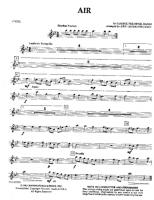
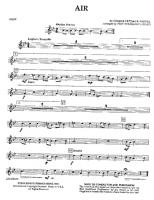
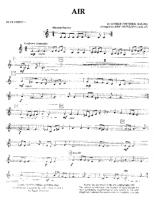
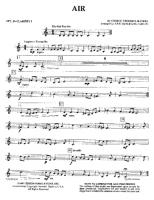
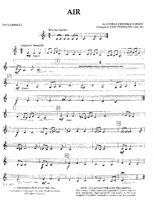
Traditional
traditional music














Messiaen Olivier
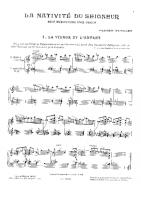
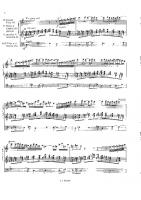
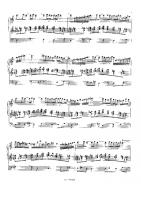
This is a list of compositions by Olivier Messiaen. Works are listed initially by genre and can be sorted chronologically by clicking on the "Date" header.
The compositions by Olivier Messiaen include works for chamber ensemble, orchestra, vocal music, music for piano and organ, as well as some of the earliest electronic music, with his use of the ondes martenot in several of his conpositions. Messiaen's work is characterised by rhythmic complexity, his interest in ornithology and birdcalls, and his system of modes of limited transposition.
The compositions by Olivier Messiaen include works for chamber ensemble, orchestra, vocal music, music for piano and organ, as well as some of the earliest electronic music, with his use of the ondes martenot in several of his conpositions. Messiaen's work is characterised by rhythmic complexity, his interest in ornithology and birdcalls, and his system of modes of limited transposition.
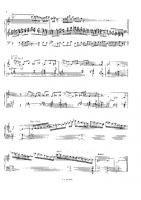
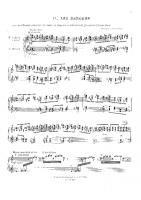
Johann Friedrich Fasch
Johann Friedrich Fasch (15 April 1688 – 5 December 1758) was a German violinist and composer.Fasch was born in the town of Buttelstedt, 11 km north of Weimar, the eldest child of schoolmaster Friedrich Georg Fasch and his wife Sophie Wegerig, from Leißling near Weißenfels. After his father's death in 1700, Fasch lived with his mother's brother, the clergyman Gottfried Wegerig in Göthewitz, and it was presumably in this way that he made the acquaintance of the Opera composer Reinhard Keiser.His works include cantatas, concertos, symphonies, and chamber music. None of his music was published in his lifetime, and according to The New Grove Dictionary of Music and Musicians in 2014, "it appears that most of his vocal works (including 9 complete cantata cycles, at least 14 masses and four operas) are lost, while the instrumental works are mostly extant.
Flute
1
pages
67.13KB - 1097d ago

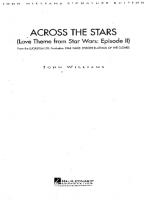
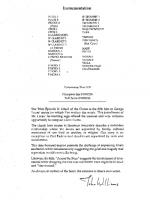
John Williams
John Towner Williams (born February 8, 1932) is an American composer, conductor, and pianist. In a career that spans six decades, Williams has composed many of the most famous film scores in Hollywood history, including Star Wars, Superman, Home Alone, the first three Harry Potter movies and all but two of Steven Spielberg's feature films including the Indiana Jones series, Schindler's List, E.T. the Extra-Terrestrial, Jurassic Park and Jaws. He also composed the soundtrack for the hit 1960s television series Lost in Space as well as the fanfare of the DreamWorks Pictures' logo.
Williams has composed theme music for four Olympic Games, the NBC Nightly News, the rededication of the Statue of Liberty, and numerous television series and concert pieces. He served as the principal conductor of the Boston Pops Orchestra from 1980 to 1993, and is now the orchestra's laureate conductor.
Williams is a five-time winner of the Academy Award. He has also won four Golden Globe Awards, seven BAFTA Awards and 21 Grammy Awards. With 45 Academy Award nominations, Williams is, together with composer Alfred Newman, the second most nominated person after Walt Disney. He was inducted into the Hollywood Bowl Hall of Fame in 2000, and was a recipient of the Kennedy Center Honors in 2004.
Williams has composed theme music for four Olympic Games, the NBC Nightly News, the rededication of the Statue of Liberty, and numerous television series and concert pieces. He served as the principal conductor of the Boston Pops Orchestra from 1980 to 1993, and is now the orchestra's laureate conductor.
Williams is a five-time winner of the Academy Award. He has also won four Golden Globe Awards, seven BAFTA Awards and 21 Grammy Awards. With 45 Academy Award nominations, Williams is, together with composer Alfred Newman, the second most nominated person after Walt Disney. He was inducted into the Hollywood Bowl Hall of Fame in 2000, and was a recipient of the Kennedy Center Honors in 2004.
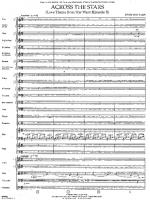
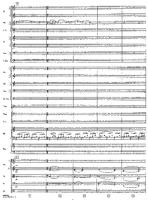
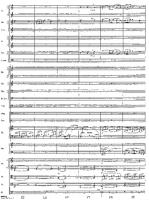
Dream Theater
Dream Theater is an American progressive metal band formed in 1985 under the name Majesty by John Petrucci, John Myung, and Mike Portnoy while they attended Berklee College of Music in Massachusetts, before they dropped out to support the band. Though a number of lineup changes followed, the three original members remain today along with James LaBrie and Jordan Rudess.
Dream Theater has become a successful progressive metal band. Although the band has had one successful hit ("Pull Me Under" in 1992, which received extensive MTV rotation), they have remained relatively out of the mainstream.
The band is well known for the technical proficiency of its instrumentalists, who have won many awards from music instruction magazines. Dream Theater's members have collaborated with many other notable musicians. Guitarist John Petrucci has been named as the third player on the G3 tour six times, more than any other invited guitarist, following in the footsteps of Eric Johnson and Robert Fripp. Drummer Mike Portnoy has won 23 awards from Modern Drummer Magazine and is also the second youngest person (at the age of 37) to be inducted into the Rock Drummer Hall of Fame.
The band's highest selling album is the gold selling Images and Words (1992), which reached #61 on the Billboard 200 charts. Both the 1994 release Awake and their 2002 release Six Degrees of Inner Turbulence also entered the charts at #32 and #46 respectively and received mostly positive reviews. Six Degrees of Inner Turbulence also led to Dream Theater becoming the initial band reviewed in the Music Section of Entertainment Weekly during its opening week of release, despite the magazine generally preferring more mainstream music. In 2007, Systematic Chaos entered US Billboard 200 at #19. Dream Theater has sold over two million albums in the U.S., and over 8 million records worldwide. The band's tenth studio album, Black Clouds & Silver Linings, was released on June 23, 2009. It entered the US Billboard 200 at #6 and Eurochart Hot 100 at #1, marking their highest entry on either chart. Currently the musician and writer Jose Aranda is writing a doctoral thesis book about Dream Theater and the meaning of music.
Dream Theater has become a successful progressive metal band. Although the band has had one successful hit ("Pull Me Under" in 1992, which received extensive MTV rotation), they have remained relatively out of the mainstream.
The band is well known for the technical proficiency of its instrumentalists, who have won many awards from music instruction magazines. Dream Theater's members have collaborated with many other notable musicians. Guitarist John Petrucci has been named as the third player on the G3 tour six times, more than any other invited guitarist, following in the footsteps of Eric Johnson and Robert Fripp. Drummer Mike Portnoy has won 23 awards from Modern Drummer Magazine and is also the second youngest person (at the age of 37) to be inducted into the Rock Drummer Hall of Fame.
The band's highest selling album is the gold selling Images and Words (1992), which reached #61 on the Billboard 200 charts. Both the 1994 release Awake and their 2002 release Six Degrees of Inner Turbulence also entered the charts at #32 and #46 respectively and received mostly positive reviews. Six Degrees of Inner Turbulence also led to Dream Theater becoming the initial band reviewed in the Music Section of Entertainment Weekly during its opening week of release, despite the magazine generally preferring more mainstream music. In 2007, Systematic Chaos entered US Billboard 200 at #19. Dream Theater has sold over two million albums in the U.S., and over 8 million records worldwide. The band's tenth studio album, Black Clouds & Silver Linings, was released on June 23, 2009. It entered the US Billboard 200 at #6 and Eurochart Hot 100 at #1, marking their highest entry on either chart. Currently the musician and writer Jose Aranda is writing a doctoral thesis book about Dream Theater and the meaning of music.





Victor Young
Victor Young was an American composer, arranger, violinist and conductor. Born: August 8, 1900, Chicago, Illinois, United States Died: November 10, 1956, Palm Springs, California, United States Spouse: Rita Kinel (m. 1922–1956)
Albums: Themes and Songs from The Quiet Man,
Albums: Themes and Songs from The Quiet Man,


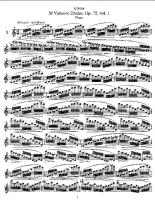
Louis Köhler
Christian Louis Heinrich Köhler (5 September 1820 – 16 February 1886) was a German composer, conductor and piano teacher.Köhler was born in Braunschweig. He studied piano in Vienna under Carl Maria von Bocklet, Simon Sechter and Ignaz von Seyfried. As a conductor, he worked in Marienburg and Elbing. After that he settled in Königsberg in 1847, after which time he concentrated on piano teaching and writings on music. Among his pupils were Adolf Jensen and Hermann Goetz. He was a critic for the Hartungsche Zeitung from 1849 to 1886, and was a contributor to Signale from 1844 until 1886. His writings were well known to Liszt and Wagner; he also proposed the formation of the Allgemeiner Deutscher Musikverein, with which Liszt was involved.
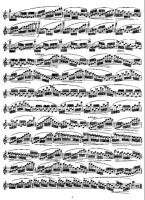
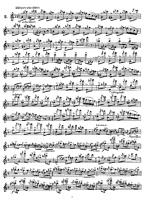
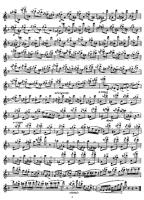
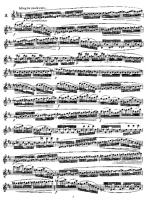
Hector Berlioz
Hector Berlioz (December 11, 1803 – March 8, 1869) was a French Romantic composer, best known for his compositions Symphonie fantastique and Grande messe des morts (Requiem). Berlioz made significant contributions to the modern orchestra with his Treatise on Instrumentation. He specified huge orchestral forces for some of his works; as a conductor, he performed several concerts with more than 1,000 musicians. He also composed around 50 songs. His influence was critical for the further development of Romanticism, especially in composers like Richard Wagner, Nikolai Rimsky-Korsakov, Franz Liszt, Richard Strauss, Gustav Mahler and many others.
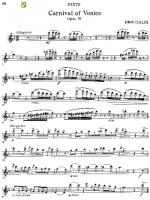
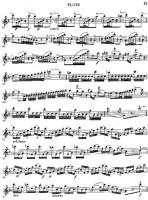
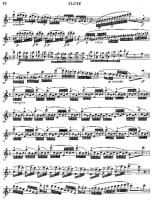
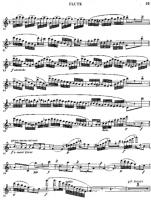
Giulio Briccialdi
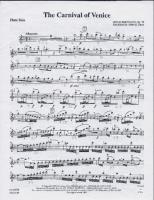
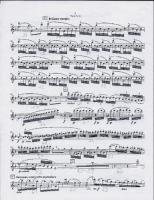
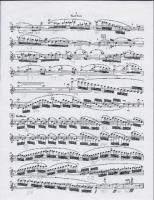
Giulio Briccialdi was an Italian virtuoso flautist and composer, a technical innovator on his instrument and a professor of music. Briccialdi was born in Terni. His contributions include inventing the B-flat thumb key for the Boehm flute. He died in Florence.
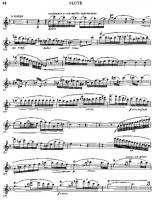
William Croft
William Croft (baptised 30 December 1678 – 14 August 1727) was an English composer and organist.Croft was born at the Manor House, Nether Ettington, Warwickshire. He was educated at the Chapel Royal under the instruction of John Blow, and remained there until 1698. Two years after this departure, he became organist of St. Anne's Church, Soho and he became an organist and 'Gentleman extraordinary' at the Chapel Royal. He shared that post with his friend Jeremiah Clarke.




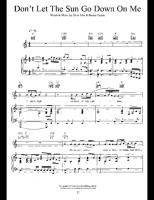
Elton John & Bernie Taupin
Sir Elton Hercules John CBE (born Reginald Kenneth Dwight; 25 March 1947) is an English singer, songwriter, pianist, and composer. He has worked with lyricist Bernie Taupin since 1967; they have collaborated on more than 30 albums. John has sold more than 300 million records, making him one of the world's best-selling music artists. He has more than fifty Top 40 hits, as well as seven consecutive number-one albums in the United States, 58 Billboard Top 40 singles, 27 Top 10 singles, four of which peaked at number two and nine of which reached number one. His tribute single "Candle in the Wind 1997", rewritten in dedication to Diana, Princess of Wales, sold over 33 million copies worldwide and is the best-selling single in the history of the UK and US singles charts. He has also produced records and occasionally acted in films. John owned Watford F.C. from 1976 to 1987 and from 1997 to 2002, and is an honorary Life President of the club.
John Denver
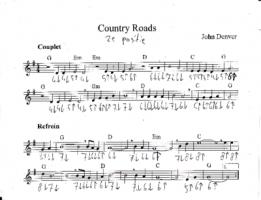
John Denver (December 31, 1943 – October 12, 1997), born Henry John Deutschendorf, Jr., was an American Country Music/folk singer-songwriter and folk rock musician. One of the most popular artists of the 1970s, he recorded and released some 300 songs, about half composed by himself. He was named Poet Laureate of Colorado in 1977. Songs such as "Leaving on a Jet Plane" (1967), "Take Me Home, Country Roads" (1971), "Rocky Mountain High" (1973), "Thank God I'm a Country Boy" (1974), "Annie's Song" (1974), "Sunshine on My Shoulders" (1974), and "Calypso" (1975) are popular worldwide. Denver has been referred to as "The Poet for the Planet", "Mother Nature's Son" (based on The Beatles song he covered) and "A Song's Best Friend".
Rachmaninoff
Sergei Vasilievich Rachmaninoff (1 April 1873 - 28 March 1943) was a Russian composer, pianist, and conductor. He was one of the finest pianists of his day and, as a composer, the last great representative of Russian late Romanticism in classical music. Early influences of Tchaikovsky, Rimsky-Korsakov and other Russian composers gave way to a thoroughly personal idiom which included a pronounced lyricism, expressive breadth, structural ingenuity and a tonal palette of rich, distinctive orchestral colors.
Understandably, the piano figures prominently in Rachmaninoff's compositional output, either as a solo instrument or as part of an ensemble. He made it a point, however, to use his own skills as a performer to explore fully the expressive possibilities of the instrument. Even in his earliest works, he revealed a sure grasp of idiomatic piano writing and a striking gift for melody. In some of his early orchestral pieces he showed the first signs of a talent for tone painting, which he would perfect in The Isle of the Dead, and he began to show a similar penchant for vocal writing in two early sets of songs, Opp. 4 and 8. Rachmaninoff's masterpiece, however, is his choral symphony The Bells, in which all of his talents are fused and unified.
Rachmaninoff sometimes felt threatened by the success of modernists such as Scriabin and Prokofiev and wondered whether to cease composing even before he left Russia. His musical philosophy was rooted in the Russian spiritual tradition, where the role of the artist was to create beauty and to speak the truth from the depths of his heart. In his last major interview, in 1941, he admitted his music, like Russian music, was a product of his temperament. He said, on another occasion, "The new kind of music seems to create not from the heart but from the head. Its composers think rather than feel. They have not the capacity to make their works exalt—they meditate, protest, analyze, reason, calculate and brood, but they do not exalt."
Understandably, the piano figures prominently in Rachmaninoff's compositional output, either as a solo instrument or as part of an ensemble. He made it a point, however, to use his own skills as a performer to explore fully the expressive possibilities of the instrument. Even in his earliest works, he revealed a sure grasp of idiomatic piano writing and a striking gift for melody. In some of his early orchestral pieces he showed the first signs of a talent for tone painting, which he would perfect in The Isle of the Dead, and he began to show a similar penchant for vocal writing in two early sets of songs, Opp. 4 and 8. Rachmaninoff's masterpiece, however, is his choral symphony The Bells, in which all of his talents are fused and unified.
Rachmaninoff sometimes felt threatened by the success of modernists such as Scriabin and Prokofiev and wondered whether to cease composing even before he left Russia. His musical philosophy was rooted in the Russian spiritual tradition, where the role of the artist was to create beauty and to speak the truth from the depths of his heart. In his last major interview, in 1941, he admitted his music, like Russian music, was a product of his temperament. He said, on another occasion, "The new kind of music seems to create not from the heart but from the head. Its composers think rather than feel. They have not the capacity to make their works exalt—they meditate, protest, analyze, reason, calculate and brood, but they do not exalt."
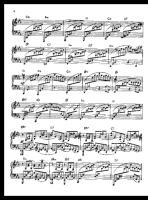
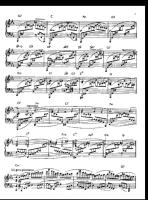
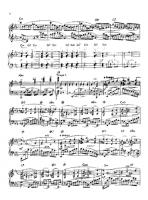
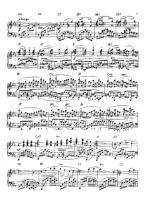
Beethoven
Ludwig van Beethoven (16 December 1770 - 26 March 1827) was a German composer and pianist. He was a crucial figure in the transitional period between the Classical and Romantic eras in Western classical music, and remains one of the most respected and influential composers of all time.
Born in Bonn, then in the Electorate of Cologne (now in modern-day Germany), he moved to Vienna in his early twenties and settled there, studying with Joseph Haydn and quickly gaining a reputation as a virtuoso pianist. Beethoven's hearing gradually deteriorated beginning in his twenties, yet he continued to compose masterpieces, and to conduct and perform, even after he was completely deaf.
Born in Bonn, then in the Electorate of Cologne (now in modern-day Germany), he moved to Vienna in his early twenties and settled there, studying with Joseph Haydn and quickly gaining a reputation as a virtuoso pianist. Beethoven's hearing gradually deteriorated beginning in his twenties, yet he continued to compose masterpieces, and to conduct and perform, even after he was completely deaf.
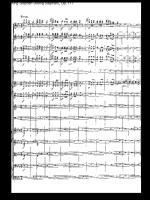
Bach
Johann Sebastian Bach (31 March 1685 – 28 July 1750) was a German composer and organist whose sacred and secular works for choir, orchestra, and solo instruments drew together the strands of the Baroque period and brought it to its ultimate maturity. Although he introduced no new forms, he enriched the prevailing German style with a robust contrapuntal technique, an unrivalled control of harmonic and motivic organisation in composition for diverse musical forces, and the adaptation of rhythms and textures from abroad, particularly Italy and France.
Revered for their intellectual depth and technical and artistic beauty, Bach's works include the Brandenburg concertos; the Goldberg Variations; the English Suites, French Suites, Partitas, and Well-Tempered Clavier; the Mass in B Minor; the St. Matthew Passion; the St. John Passion; The Musical Offering; The Art of Fugue; the Sonatas and Partitas for violin solo; the Cello Suites; more than 200 surviving cantatas; and a similar number of organ works, including the celebrated Toccata and Fugue in D Minor.
While Bach's fame as an organist was great during his lifetime, he was not particularly well-known as a composer. His adherence to Baroque forms and contrapuntal style was considered "old-fashioned" by his contemporaries, especially late in his career when the musical fashion tended towards Rococo and later Classical styles. A revival of interest and performances of his music began early in the 19th century, and he is now widely considered to be one of the greatest composers in the Western tradition.
Revered for their intellectual depth and technical and artistic beauty, Bach's works include the Brandenburg concertos; the Goldberg Variations; the English Suites, French Suites, Partitas, and Well-Tempered Clavier; the Mass in B Minor; the St. Matthew Passion; the St. John Passion; The Musical Offering; The Art of Fugue; the Sonatas and Partitas for violin solo; the Cello Suites; more than 200 surviving cantatas; and a similar number of organ works, including the celebrated Toccata and Fugue in D Minor.
While Bach's fame as an organist was great during his lifetime, he was not particularly well-known as a composer. His adherence to Baroque forms and contrapuntal style was considered "old-fashioned" by his contemporaries, especially late in his career when the musical fashion tended towards Rococo and later Classical styles. A revival of interest and performances of his music began early in the 19th century, and he is now widely considered to be one of the greatest composers in the Western tradition.
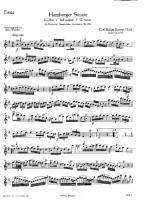
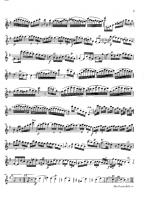
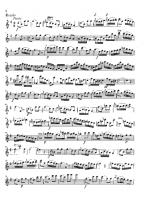
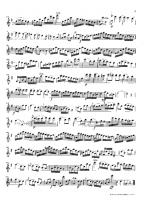
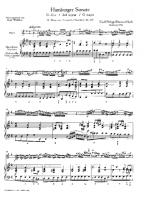
Saint Saens
Charles-Camille Saint-Saëns (9 October 1835 – 16 December 1921) was a French composer, organist, conductor, and pianist, known especially for The Carnival of the Animals, Danse Macabre, Samson and Delilah, Havanaise, Introduction and Rondo capriccioso, and his Symphony No. 3 (Organ Symphony).
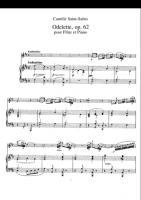
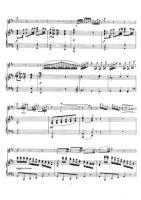
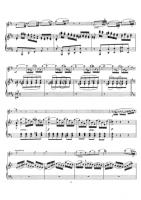
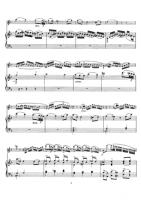
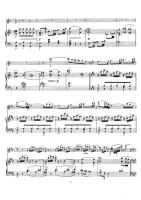
Guerra Peixe
César Guerra-Peixe was a Brazilian violinist, composer, and conductor. Guerra-Peixe was born in Petrópolis, son of Portuguese immigrants with Romani origins.





Dvorak
Antonín Leopold Dvořák (September 8, 1841 – May 1, 1904) was a Czech composer of Romantic music, who employed the idioms and melodies of the folk music of his native Bohemia and Moravia. His works include operas, symphonic, choral and chamber music. His best-known works are his New World Symphony (particularly the slow movement), as well as his Slavonic Dances, American String Quartet, and Cello Concerto in B minor.
Dvořák wrote in a variety of forms: his nine symphonies generally stick to classical models that Beethoven would have recognised, but he also worked in the newly developed symphonic poem form and the influence of Richard Wagner is apparent in some works. Many of his works also show the influence of Czech folk music, both in terms of rhythms and melodic shapes; perhaps the best known examples are the two sets of Slavonic Dances. Dvořák also wrote operas (the best known of which is Rusalka); serenades for string orchestra and wind ensemble; chamber music (including a number of string quartets, and quintets); songs; choral music; and piano music.
Dvořák wrote in a variety of forms: his nine symphonies generally stick to classical models that Beethoven would have recognised, but he also worked in the newly developed symphonic poem form and the influence of Richard Wagner is apparent in some works. Many of his works also show the influence of Czech folk music, both in terms of rhythms and melodic shapes; perhaps the best known examples are the two sets of Slavonic Dances. Dvořák also wrote operas (the best known of which is Rusalka); serenades for string orchestra and wind ensemble; chamber music (including a number of string quartets, and quintets); songs; choral music; and piano music.

Alan Menken
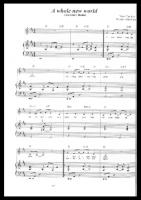
Alan Menken (born July 22, 1949 in New Rochelle, New York) is an American Broadway and an eight-time Academy Award winning composer and pianist. Menken has collaborated with several renowned lyricists including Howard Ashman (1950-1991), Tim Rice and Stephen Schwartz.
Johann Joachim Quantz
Johann Joachim Quantz (German: ; 30 January 1697 – 12 July 1773) was a German composer, flutist and flute maker of the late Baroque period. He composed hundreds of flute sonatas and concertos, and wrote On Playing the Flute, a treatise on flute performance. His works were known and appreciated by Bach, Haydn and Mozart.

Santa Esmeralda
Santa Esmeralda is a U.S./French Disco group formed in the 1970s, which earned a #1 club hit in 1977 with a cover version of the song "Don't Let Me Be Misunderstood".





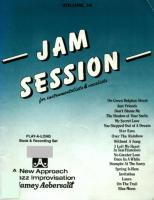
Jamey Aebersold
Jamey Aebersold (born July 21, 1939 in New Albany, Indiana) is an American jazz saxophonist and music educator. His "Play-A-Long" series of instructional book and CD collections, using the chord-scale system, the first of which was released in 1967, are an internationally renowned resource for jazz education. As of 2009, 126 of these collections have been published by Aebersold, who currently teaches musical improvisation at the University of Louisville. He is also an adept pianist, bassist, and banjoist.
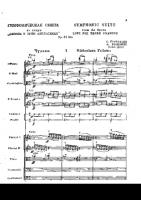
Prokoviev
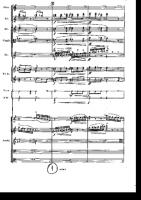
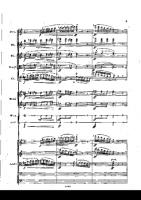
Steve Dempsey
Steve Dempsey Musician,Composer.

Oscar Carmona
Oscar Carmona Musical artist Songs Mechanical Obsessions Mechanical Obsessions · 2021 Nostalgia Nostalgia · 2021
Inasible III - Ausencia Inasible · 2017
Inasible III - Ausencia Inasible · 2017



Irving Berlin
Irving Berlin (May 11, 1888 – September 22, 1989) was a Russian-born American composer and lyricist, and one of the most prolific American songwriters in history. Berlin was one of the few Tin Pan Alley/Broadway songwriters who wrote both lyrics and music for his songs. Although he never learned to read music beyond a rudimentary level, with the help of various uncredited musical assistants or collaborators, he eventually composed over 3,000 songs, many of which (e.g. "God Bless America", "White Christmas", "Anything You Can Do", "There's No Business Like Show Business") left an indelible mark on music and culture worldwide. He composed seventeen film scores and twenty-one Broadway scores.


César-Auguste-Jean-Guillaume-Hubert Franc
César-Auguste-Jean-Guillaume-Hubert Franck (10 December 1822 – 8 November 1890) was a composer, pianist, organist, and music teacher who worked in Paris during his adult life.
He was born at Liège, in what is now Belgium (though at the time of his birth it was part of the United Kingdom of the Netherlands). He gave his first concerts there in 1834 and studied privately in Paris from 1835, where his teachers included Anton Reicha. After a brief return to Belgium, and a disastrous reception for an early oratorio Ruth, he moved to Paris, where he married and embarked on a career as teacher and organist. He gained a reputation as a formidable musical improviser, and travelled widely within France to demonstrate new instruments built by Aristide Cavaillé-Coll.
In 1858, he became organist at the Basilica of St. Clotilde, Paris, a position he retained for the rest of his life. He became professor at the Paris Conservatoire in 1872; he took French nationality, a requirement of the appointment. His pupils included Vincent d'Indy, Ernest Chausson, Louis Vierne, Charles Tournemire, Guillaume Lekeu and Henri Duparc. After acquiring the professorship, Franck wrote several pieces that have entered the standard classical repertoire, including symphonic, chamber, and keyboard works.
He was born at Liège, in what is now Belgium (though at the time of his birth it was part of the United Kingdom of the Netherlands). He gave his first concerts there in 1834 and studied privately in Paris from 1835, where his teachers included Anton Reicha. After a brief return to Belgium, and a disastrous reception for an early oratorio Ruth, he moved to Paris, where he married and embarked on a career as teacher and organist. He gained a reputation as a formidable musical improviser, and travelled widely within France to demonstrate new instruments built by Aristide Cavaillé-Coll.
In 1858, he became organist at the Basilica of St. Clotilde, Paris, a position he retained for the rest of his life. He became professor at the Paris Conservatoire in 1872; he took French nationality, a requirement of the appointment. His pupils included Vincent d'Indy, Ernest Chausson, Louis Vierne, Charles Tournemire, Guillaume Lekeu and Henri Duparc. After acquiring the professorship, Franck wrote several pieces that have entered the standard classical repertoire, including symphonic, chamber, and keyboard works.





J. F. Wade
John Francis Wade was an English hymnist who is sometimes credited with writing and composing the hymn "Adeste Fideles", even though the actual authorship of the hymn remains uncertain. The earliest copies of the hymn all bear his signature.
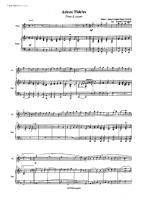
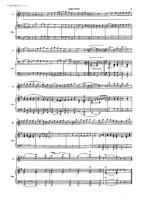
Huub de Lange
Huub de Lange was born in 1955, in Groningen, the Netherlands. He lives in Vinkeveen, a village near Amsterdam. Except for a Stabat Mater, his recent works include a Requiem, a Magnificat, a Missa Brevis, as well as choral partsongs (both in English and in German). You can find a list of his choral works at





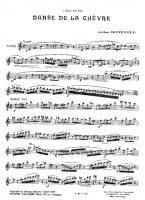
Honegger
Arthur Honegger (French: ; 10 March 1892 – 27 November 1955) was a Swiss composer, who was born in France and lived a large part of his life in Paris. He was a member of Les Six. His most frequently performed work is probably the orchestral work Pacific 231, which was inspired by the sound of a steam locomotive.
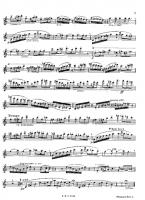
Tchaikovsky
Pyotr Il'yich Tchaikovsky (May 7 1840 â November 6 1893) was a Russian composer of the Romantic era. While not part of the nationalistic music group known as "The Five", Tchaikovsky wrote music which, in the opinion of Harold Schonberg, was distinctly Russian: plangent, introspective, with modally-inflected melody and harmony.
Aesthetically, Tchaikovsky remained open to all aspects of Saint Petersburg musical life. He was impressed by Serov and Balakirev as well as the classical values upheld by the conservatory. Both the progressive and conservative camps in Russian music at the time attempted to win him over. Tchaikovsky charted his compositional course between these two factions, retaining his individuality as a composer as well as his Russian identity. In this he was influenced by the ideals of his teacher Nikolai Rubinstein and Nikolai's brother Anton.
Tchaikovsky's musical cosmopolitanism led him to be favored by many Russian music-lovers over the "Russian" harmonies and styles of Mussorgsky, Borodin and Rimsky-Korsakov.
Nonetheless he frequently adapted Russian traditional melodies and dance forms in his music, which enhanced his success in his home country. The success in St. Petersburg at the premiere of his Third Orchestral Suite may have been due in large part to his concluding the work with a polonaise. He also used a polonaise for the final movement of his Third Symphony.
Aesthetically, Tchaikovsky remained open to all aspects of Saint Petersburg musical life. He was impressed by Serov and Balakirev as well as the classical values upheld by the conservatory. Both the progressive and conservative camps in Russian music at the time attempted to win him over. Tchaikovsky charted his compositional course between these two factions, retaining his individuality as a composer as well as his Russian identity. In this he was influenced by the ideals of his teacher Nikolai Rubinstein and Nikolai's brother Anton.
Tchaikovsky's musical cosmopolitanism led him to be favored by many Russian music-lovers over the "Russian" harmonies and styles of Mussorgsky, Borodin and Rimsky-Korsakov.
Nonetheless he frequently adapted Russian traditional melodies and dance forms in his music, which enhanced his success in his home country. The success in St. Petersburg at the premiere of his Third Orchestral Suite may have been due in large part to his concluding the work with a polonaise. He also used a polonaise for the final movement of his Third Symphony.


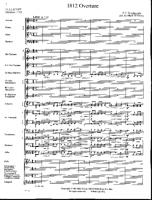
Robert Sheldon
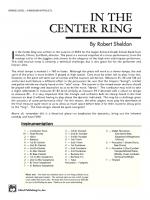
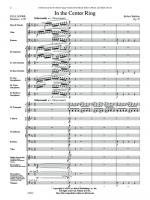
Robert Sheldon (b. Feb 3, 1954) has taught instrumental music in the Florida and Illinois public schools and has served on the faculty at Florida State University where he taught instrumental music education classes, conducting, and directed the university bands. Following seventeen years as Director of Concert Band Publications for Alfred Music, he now maintains an active composition and conducting schedule, regularly accepting commissions for new works.
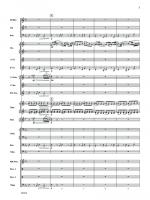
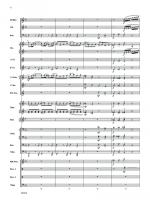
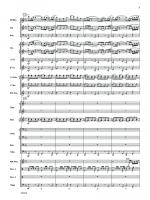
Music theory
Music theory is the study of the practices and possibilities of music. The Oxford Companion to Music describes three interrelated uses of the term "music theory"





Cavalinni
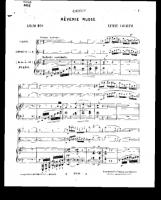
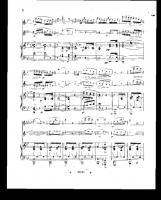
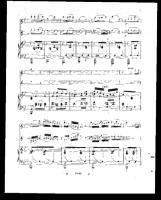
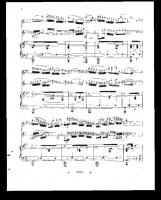
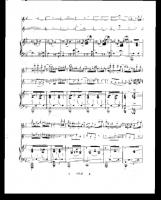
Gabriel Faure
Gabriel Urbain Fauré (12 May 1845 – 4 November 1924) was a French composer, organist, pianist, and teacher. He was the foremost French composer of his generation, and his musical style influenced many 20th century composers. His harmonic and melodic language affected how harmony was later taught.



Louise Di Tullio
Tullio. Musician. Italian Music Producer and Songwriter

Julian Arguelles
Julian Argüelles is an English jazz saxophonist. Coming to prominence in the 1980s and '90s with the ensemble Loose Tubes, Argüelles has worked extensively as a solo performer and with American and European musicians.



Eusebio villalobos
Eusebio Villalobos, originally from Pochutla, is a musician who plays guitar and bass, composes and arranges, and writes lyrics like poetry.
Billy Joel
William Martin Joel (born May 9, 1949) is an American pianist and singer-songwriter. He released his first hit song, "Piano Man", in 1973. According to the RIAA, he is the sixth best-selling recording artist in the United States.
Joel had Top 10 hits in the '70s, '80s, and '90s; is a six-time Grammy Award winner, and has sold in excess of 150 million albums worldwide. He was inducted into the Songwriter's Hall of Fame (Class of 1992), the Rock and Roll Hall of Fame (Class of 1999), and the Long Island Music Hall of Fame (Class of 2006). Joel "retired" from recording pop music in 1993 but continued to tour (sometimes with Elton John). In 2001 he subsequently released Fantasies & Delusions, a CD of classical compositions for piano. In 2007 he returned to recording with a single entitled "All My Life," followed by an extensive "World Tour" from 2006-2008, covering many of the major world cities.
Joel had Top 10 hits in the '70s, '80s, and '90s; is a six-time Grammy Award winner, and has sold in excess of 150 million albums worldwide. He was inducted into the Songwriter's Hall of Fame (Class of 1992), the Rock and Roll Hall of Fame (Class of 1999), and the Long Island Music Hall of Fame (Class of 2006). Joel "retired" from recording pop music in 1993 but continued to tour (sometimes with Elton John). In 2001 he subsequently released Fantasies & Delusions, a CD of classical compositions for piano. In 2007 he returned to recording with a single entitled "All My Life," followed by an extensive "World Tour" from 2006-2008, covering many of the major world cities.

Ravel
Joseph-Maurice Ravel (March 7, 1875 – December 28, 1937) was a French composer of Impressionist music known especially for his melodies, orchestral and instrumental textures and effects. Much of his piano music, chamber music, vocal music and orchestral music has entered the standard concert repertoire.
Ravel's piano compositions, such as Jeux d'eau, Miroirs and Gaspard de la Nuit, demand considerable virtuosity from the performer, and his orchestral music, including Daphnis et Chloé and his arrangement of Modest Mussorgsky's Pictures at an Exhibition, uses a variety of sound and instrumentation very effectively.
Ravel is perhaps known best for his orchestral work, Boléro (1928), which he considered trivial and once described as "a piece for orchestra without music."
According to SACEM, Ravel's estate earns more royalties than that of any other French musician. According to international copyright law, Ravel's works are public domain since January 1, 2008 in most countries. In France, due to anomalous copyright law extensions to account for the two world wars, they will not enter the public domain until 2015.
Ravel's piano compositions, such as Jeux d'eau, Miroirs and Gaspard de la Nuit, demand considerable virtuosity from the performer, and his orchestral music, including Daphnis et Chloé and his arrangement of Modest Mussorgsky's Pictures at an Exhibition, uses a variety of sound and instrumentation very effectively.
Ravel is perhaps known best for his orchestral work, Boléro (1928), which he considered trivial and once described as "a piece for orchestra without music."
According to SACEM, Ravel's estate earns more royalties than that of any other French musician. According to international copyright law, Ravel's works are public domain since January 1, 2008 in most countries. In France, due to anomalous copyright law extensions to account for the two world wars, they will not enter the public domain until 2015.





Search for Free Sheet Music
You can make a search through the entire collection of sheets.
You can make a search through the entire collection of sheets.