
Latest Sheets
Aretha Franklin
Aretha Louise Franklin (born March 25, 1942) is an American singer, songwriter and pianist self-named and commonly referred to as "The Queen of Soul". Although renowned for her soul recordings, Franklin is also adept at jazz, rock, blues, pop, R&B and gospel. In 2008, the American music magazine Rolling Stone ranked Franklin #1 on its list of The Greatest Singers of All Time.
Franklin is one of the most honored artists by the Grammy Awards, with 20 Grammys to date, which include the Living Legend Grammy and the Lifetime Achievement Grammy. She has scored a total of 20 #1 singles on the Billboard R&B Singles Chart, two of which also became #1 hits on the Billboard Hot 100: "Respect" (1967) and "I Knew You Were Waiting (For Me)" (1987), a duet with George Michael. Since 1961, Franklin has scored a total of 45 "Top 40" hits on the Billboard Hot 100 chart.
In 1987, Franklin became the first female artist to be entered into the Rock and Roll Hall of Fame.
Franklin was the featured singer at the 2009 Presidential inauguration ceremony for Barack Obama.
Franklin is one of the most honored artists by the Grammy Awards, with 20 Grammys to date, which include the Living Legend Grammy and the Lifetime Achievement Grammy. She has scored a total of 20 #1 singles on the Billboard R&B Singles Chart, two of which also became #1 hits on the Billboard Hot 100: "Respect" (1967) and "I Knew You Were Waiting (For Me)" (1987), a duet with George Michael. Since 1961, Franklin has scored a total of 45 "Top 40" hits on the Billboard Hot 100 chart.
In 1987, Franklin became the first female artist to be entered into the Rock and Roll Hall of Fame.
Franklin was the featured singer at the 2009 Presidential inauguration ceremony for Barack Obama.
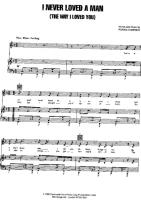
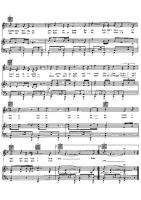
Bryan Adams
Bryan Adams (born Bryan Guy Adams on November 5, 1959) is Grammy Award-winning Canadian singer-songwriter. As of 2008, Adams has released eleven studio albums and 16 albums overall. He has been nominated for 3 Academy Awards and 5 Golden Globes for song writing in motion pictures.
Adams is a Grammy Award-winning Canadian singer-songwriter. Adams' career was launched with his 1980 debut album Bryan Adams, a rock album that garned limited success. His fourth album Reckless was released in 1984 with sales more then five million copies sold in the United States. In 1991, he released Waking Up the Neighbours which debuted at number one on several national music charts. The album reached sales of more than 10 million units worldwide, which 3 million copies was sold in the United States.
Adams is a Grammy Award-winning Canadian singer-songwriter. Adams' career was launched with his 1980 debut album Bryan Adams, a rock album that garned limited success. His fourth album Reckless was released in 1984 with sales more then five million copies sold in the United States. In 1991, he released Waking Up the Neighbours which debuted at number one on several national music charts. The album reached sales of more than 10 million units worldwide, which 3 million copies was sold in the United States.
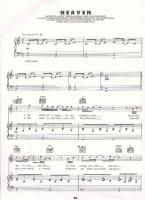
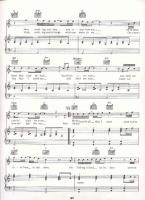
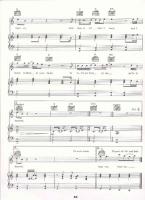
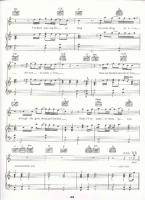
Anastacia
Anastacia (born Anastacia Lyn Newkirk; September 17, 1968) is an American singer-songwriter. Anastacia has been highly successful in Europe, Asia, South Africa and South America, but has had only minor success in her native United States. Her debut album, Not That Kind, released in 2000, achieved multi-platinum sales in Australia, New Zealand and much of Europe, was critically acclaimed by Elton John and Michael Jackson, and had the 4th biggest European single and biggest Australian single of 2000. She was awarded 'Best-selling International Artist' in 2000. Her next two albums also earned multi-platinum sales throughout Europe and Oceania making her one of the fastest and biggest-selling artists of the new millennium.
In 2005, she was recognized for worldwide sales of over 20 million albums/records. Anastacia is world-renowned for her powerful soul voice, and her small stature – 5 feet 3 inches (160 cm). She was also known for her trademark glasses (often darkly tinted), but she had surgery to correct her vision permanently in August 2005.
In 2005, she was recognized for worldwide sales of over 20 million albums/records. Anastacia is world-renowned for her powerful soul voice, and her small stature – 5 feet 3 inches (160 cm). She was also known for her trademark glasses (often darkly tinted), but she had surgery to correct her vision permanently in August 2005.
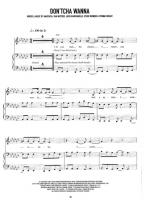
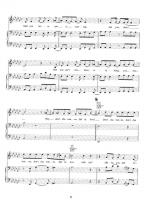
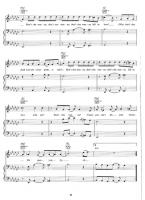
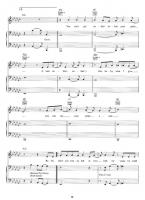
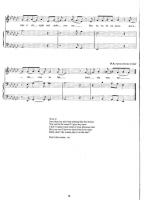
Etta James
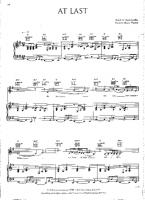
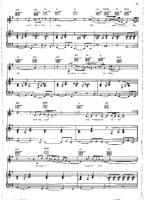
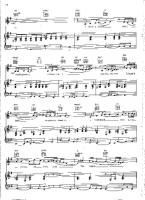
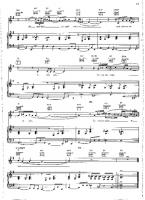
Etta James (born Jamesetta Hawkins on January 25, 1938) is an American blues, soul, R&B, rock & roll and jazz singer and songwriter. James is the winner of four Grammys, seventeen Blues Music Awards, and was inducted into the Rock & Roll Hall of Fame in 1993, the Blues Hall of Fame in 2001, and the Grammy Hall of Fame both in 1999 and 2008. In the 1950s and 60s, she had her biggest success as a blues and R&B singer. She is best known for her 1961 ballad "At Last", which has been classified as a "timeless classic" and has been featured in many movies, television commercials, and web streaming services since its release.
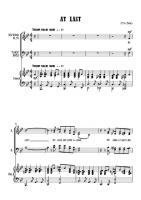
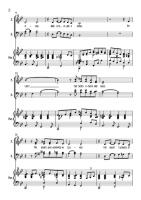
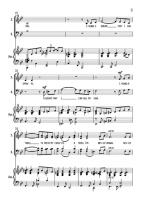
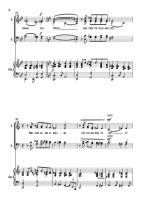
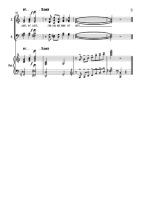
Corpse Bride
Tim Burton's Corpse Bride (often abbreviated as Corpse Bride) is a 2005 stop-motion-animation film based loosely on a 19th century Russian-Jewish folktale version of an older Jewish story and set in a fictional Victorian era village. It was directed by Tim Burton and Mike Johnson, and filmed at 3 Mills Studios in London. Johnny Depp led an all-star cast as the voice of Victor and Helena Bonham Carter (for whom the project was specially created) as the voice of the title character. This is the first animated film in which Johnny Depp has been a voice actor. The film's initial release was two weeks prior to that of Wallace & Gromit: The Curse of the Were-Rabbit, marking the first time that a stop-motion animated film and a claymation animated one were in simultaneous wide theatrical release. Interestingly, both films feature the voice of Helena Bonham Carter in a lead role and a character named Victor. Coincidentally, Burton's first stop-motion film, The Nightmare Before Christmas was released the same year as Nick Park's The Wrong Trousers.
The film was nominated in the 78th Academy Awards for Best Animated Feature. It lost to Wallace & Gromit: The Curse of the Were-Rabbit.
The film is dedicated to the memory of Joe Ranft.
The movie exhibits Burton's trademark style and recurring themes (the complex interaction between light and darkness, and of being caught between two irreconcilable worlds). Life is portrayed as boring and dully gray tinted while death is more fun, as evidenced by the brighter colors and jaunty music. The movie can be particularly compared to The Nightmare Before Christmas, Burton's previous stop-motion feature project (directed by Henry Selick and based on a Tim Burton poem, which Corpse Bride director Mike Johnson worked on as an animator) and Beetlejuice, especially in the scenes depicting the underworld and its deceased denizens. The studio intentionally emphasized the links, as some commercials for Corpse Bride were accompanied by songs from The Nightmare Before Christmas (specifically, "What's This"); also, in an issue of Disney Adventures, Emily (the title character) was compared to The Nightmare Before Christmas's Sally, despite the stark contrasts in personality between the outspoken, free-spirited Emily and the quiet, timid Sally. The Corpse Bride is also considered to be the spiritual successor of The Nightmare Before Christmas.
Most of the characters in the film bear a strong resemblance to the original cast of the British period drama Upstairs, Downstairs. In the "Special Features" section of the DVD, Tim Burton states that the films' setting pays tribute to the series, with the Land of the Living being the "upstairs", and the Land of the Dead being the "downstairs".
The film was nominated in the 78th Academy Awards for Best Animated Feature. It lost to Wallace & Gromit: The Curse of the Were-Rabbit.
The film is dedicated to the memory of Joe Ranft.
The movie exhibits Burton's trademark style and recurring themes (the complex interaction between light and darkness, and of being caught between two irreconcilable worlds). Life is portrayed as boring and dully gray tinted while death is more fun, as evidenced by the brighter colors and jaunty music. The movie can be particularly compared to The Nightmare Before Christmas, Burton's previous stop-motion feature project (directed by Henry Selick and based on a Tim Burton poem, which Corpse Bride director Mike Johnson worked on as an animator) and Beetlejuice, especially in the scenes depicting the underworld and its deceased denizens. The studio intentionally emphasized the links, as some commercials for Corpse Bride were accompanied by songs from The Nightmare Before Christmas (specifically, "What's This"); also, in an issue of Disney Adventures, Emily (the title character) was compared to The Nightmare Before Christmas's Sally, despite the stark contrasts in personality between the outspoken, free-spirited Emily and the quiet, timid Sally. The Corpse Bride is also considered to be the spiritual successor of The Nightmare Before Christmas.
Most of the characters in the film bear a strong resemblance to the original cast of the British period drama Upstairs, Downstairs. In the "Special Features" section of the DVD, Tim Burton states that the films' setting pays tribute to the series, with the Land of the Living being the "upstairs", and the Land of the Dead being the "downstairs".
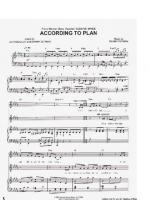
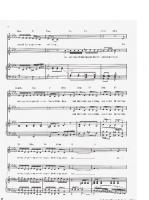
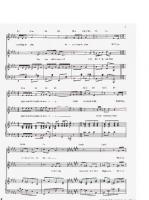
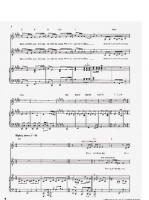
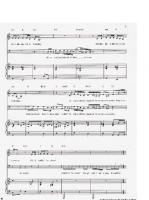
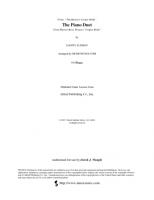
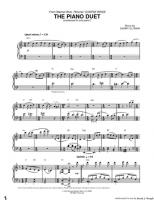
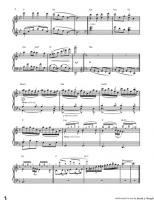
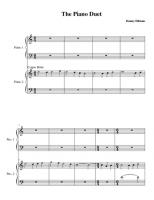
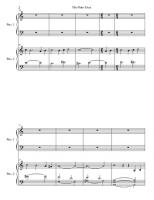
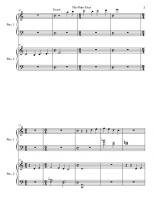
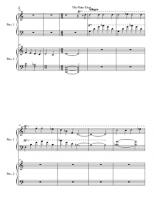
Danny Elfman
Daniel Robert "Danny" Elfman (born May 29, 1953) is an American musician, best known for composing music for television and movies, and leading the rock band Oingo Boingo as singer/songwriter from 1976 until its breakup in 1995. He is a frequent collaborator with long-time friend Tim Burton, and has scored all but two of his films. He was nominated for four Academy Awards and won a Grammy Award for Tim Burton's Batman and an Emmy Award for his Desperate Housewives theme. Elfman also wrote the theme for the video game Fable. He is also famous for creating The Simpsons main title theme, and his role as Jack Skellington's singing voice in The Nightmare Before Christmas. He is the Uncle in-law to actress Jenna Elfman.
Maroon 5
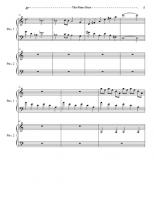
Maroon 5 is a Grammy Award-winning American pop rock band. Formed with only two members at the French Woods Festival of the Performing Arts and expanded in Los Angeles, the group comprises five members: Adam Levine (lead vocals, rhythm guitar), James Valentine (lead guitar, backing vocals), Jesse Carmichael (keyboards, rhythm guitar, backing vocals), Mickey Madden (bass guitar), and Matt Flynn (drums, percussion).
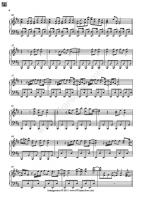
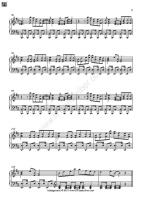
Queen
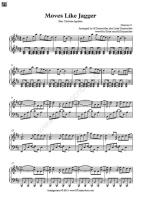
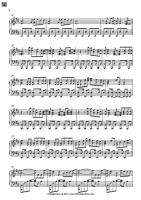
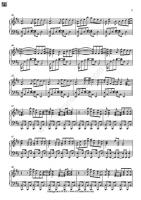
Queen were an English rock band formed in 1970 in London by guitarist Brian May, lead vocalist Freddie Mercury, and drummer Roger Taylor, with bass guitarist John Deacon completing the lineup the following year. While it is uncertain how many albums the band has sold, estimations range from 130 million to over 300 million albums worldwide.
The band is noted for their musical diversity, multi-layered arrangements, vocal harmonies, and incorporation of audience participation into their live performances. Their 1985 Live Aid performance was voted the best live rock performance of all time in an industry poll.
Queen had moderate success in the early 1970s, with the albums Queen and Queen II, but it was with the release of Sheer Heart Attack in 1974 and A Night at the Opera the following year that the band gained international success. They have released fifteen studio albums, five live albums, and numerous compilation albums. Eighteen of these have reached number one on charts around the world.
Following Mercury's death in 1991 and Deacon's retirement later in the decade, May and Taylor have performed infrequently under the Queen name. Since 2005 they have been collaborating with Paul Rodgers, under the moniker Queen + Paul Rodgers.
The band is noted for their musical diversity, multi-layered arrangements, vocal harmonies, and incorporation of audience participation into their live performances. Their 1985 Live Aid performance was voted the best live rock performance of all time in an industry poll.
Queen had moderate success in the early 1970s, with the albums Queen and Queen II, but it was with the release of Sheer Heart Attack in 1974 and A Night at the Opera the following year that the band gained international success. They have released fifteen studio albums, five live albums, and numerous compilation albums. Eighteen of these have reached number one on charts around the world.
Following Mercury's death in 1991 and Deacon's retirement later in the decade, May and Taylor have performed infrequently under the Queen name. Since 2005 they have been collaborating with Paul Rodgers, under the moniker Queen + Paul Rodgers.
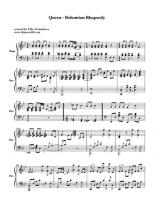
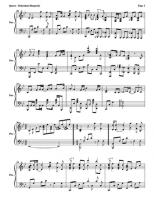
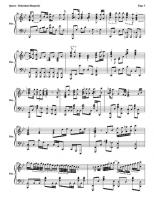
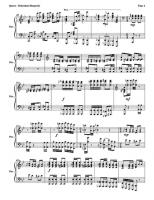
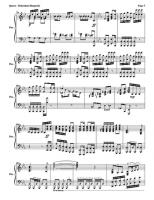
Lady Gaga
Lady Gaga (born Stefani Joanne Angelina Germanotta on March 28, 1986) is an American recording artist. She began performing in the rock music scene of New York City's Lower East Side. She soon signed with Streamline Records, an imprint of Interscope Records, upon its establishment in 2007. During her early time at Interscope, she worked as a songwriter for fellow label artists and captured the attention of Akon, who recognized her vocal abilities, and had her also sign to his own label, Kon Live Distribution.
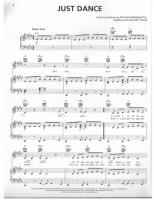
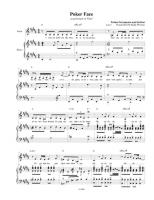
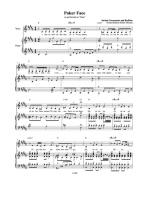
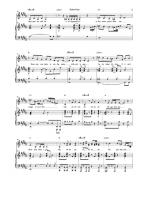
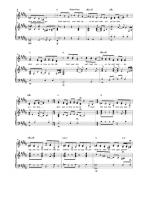
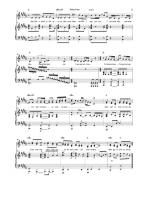
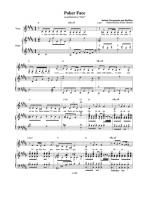
Her debut album, The Fame, was released on August 19, 2008. In addition to receiving generally positive reviews, it reached number-one in Canada, Austria, Germany, and Ireland and topped the Billboard Top Electronic Albums chart. Its first two singles, "Just Dance" and "Poker Face", co-written and co-produced with RedOne, became international number-one hits, topping the Hot 100 in the United States as well as other countries. The album later earned a total of six Grammy Award nominations and won awards for Best Electronic/Dance Album and Best Dance Recording. In early 2009, after having opened for New Kids on the Block and the Pussycat Dolls, she embarked on her first headlining tour, The Fame Ball Tour. By the fourth quarter of 2009, she released her second studio album The Fame Monster, with the global chart-topping lead single "Bad Romance", as well as having embarked on her second headlining tour of the year, The Monster Ball Tour.
Lady Gaga is inspired by glam rock musicians such as David Bowie and Freddie Mercury, as well as pop music artists such as Madonna and Michael Jackson. She has also stated fashion is a source of inspiration for her songwriting and performances. To date, she has sold over eight million albums and over thirty-five million singles worldwide.
Her debut album, The Fame, was released on August 19, 2008. In addition to receiving generally positive reviews, it reached number-one in Canada, Austria, Germany, and Ireland and topped the Billboard Top Electronic Albums chart. Its first two singles, "Just Dance" and "Poker Face", co-written and co-produced with RedOne, became international number-one hits, topping the Hot 100 in the United States as well as other countries. The album later earned a total of six Grammy Award nominations and won awards for Best Electronic/Dance Album and Best Dance Recording. In early 2009, after having opened for New Kids on the Block and the Pussycat Dolls, she embarked on her first headlining tour, The Fame Ball Tour. By the fourth quarter of 2009, she released her second studio album The Fame Monster, with the global chart-topping lead single "Bad Romance", as well as having embarked on her second headlining tour of the year, The Monster Ball Tour.
Lady Gaga is inspired by glam rock musicians such as David Bowie and Freddie Mercury, as well as pop music artists such as Madonna and Michael Jackson. She has also stated fashion is a source of inspiration for her songwriting and performances. To date, she has sold over eight million albums and over thirty-five million singles worldwide.
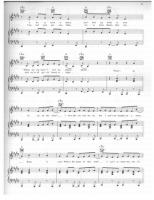
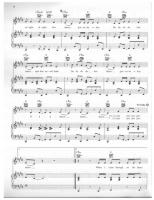
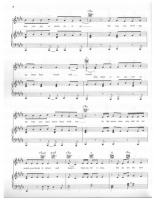
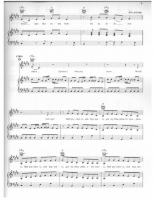
Aqualung
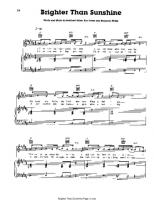
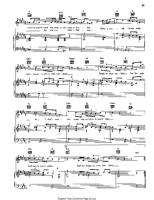
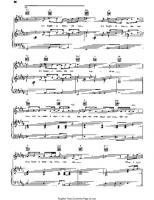
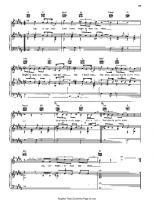
Matthew "Matt" Hales (born 17 January 1972), better known as Aqualung, is an English singer and songwriter best known in the UK for his song "Strange and beautiful," which was featured on a television advertisement for the new Volkswagen New Beetle during the summer of 2002 and went on to become a Top 10 hit in the UK singles chart later that year. In the United States, Aqualung is also known for the song "Brighter Than Sunshine", which had considerable airplay and was used in the film A Lot Like Love and various television spots.
Adele
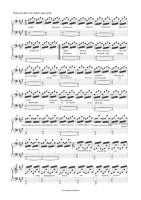
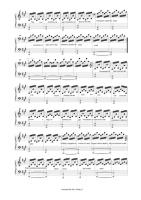
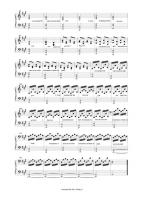
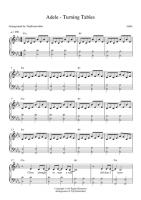
Adele Laurie Blue Adkins (born 5 May 1988 in Enfield, North London), She is the first recipient of the Brit Awards Critics' Choice, which was given to artists who, at the time, had yet to release an album. She debuted at number one with her Mercury Prize nominated debut album 19 in the UK album chart and has since then been certified platinum with sales over 500,000 copies.
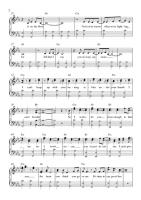
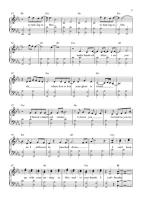
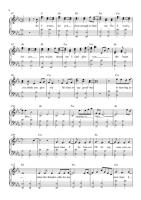
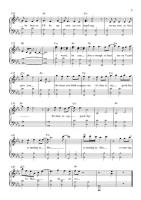
U-KISS
U-KISS (Korean: 유키스) is a South Korean boy band formed by NH Media in 2008. The members include Shin Soohyun, Ellison Kim (also known as Eli), Kevin Woo, Shin Dongho, Lee Kiseop, Hoon and AJ (both joined the group in 2011). Alexander (Xander), and Kibum, are former members of U-KISS. U-KISS stands for Ubiquitous Korean International (Idol) Super Star. They debuted in Japan on August 15, 2008 and in South Korea on August 28, 2008. Later in late 2009, six-member U-KISS was turned into seven-member U-KISS with the addition of Lee Kiseop. When the original members Alexander Lee Eusebio and Kim Kibum's contracts were terminated in early 2011, they were replaced by Hoon and AJ. Hoon was previously known as a solo artist, while AJ is a former member of NH Media's group, PARAN.
Glee
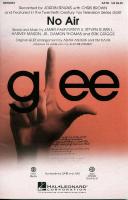
Glee is a musical comedy-drama television series that airs on Fox in the United States. It focuses on the high school glee club New Directions competing on the show choir competition circuit, while its members deal with relationships, sexuality and social issues. The initial main cast encompassed club director and Spanish teacher Will Schuester (Matthew Morrison), cheerleading coach Sue Sylvester (Jane Lynch), guidance counselor Emma Pillsbury (Jayma Mays), Will's wife Terri (Jessalyn Gilsig), and eight club members played by Dianna Agron, Chris Colfer, Kevin McHale, Lea Michele, Cory Monteith, Amber Riley, Mark Salling and Jenna Ushkowitz. For the second season, formerly recurring cast members Mike O'Malley, Heather Morris and Naya Rivera were promoted to the main cast.
The series was created by Ryan Murphy, Brad Falchuk and Ian Brennan, who first conceived Glee as a film. The pilot episode was broadcast on May 19, 2009, and the first season aired from September 9, 2009 to June 8, 2010. The second season began airing on September 21, 2010, and a third season has been commissioned. Glee features on-screen performance-based musical numbers that are selected by Murphy, who aims to maintain a balance between show tunes and chart hits. Songs covered in the show are released through the iTunes Store during the week of broadcast, and a series of Glee albums have been released by Columbia Records. The music of Glee has been a commercial success, with over thirteen million digital single sales and five million album sales. The series' merchandise also includes DVD and Blu-Ray releases, a young adult book series, an iPad application, and a karaoke game for the Wii.
During its first season, Glee received generally favorable reviews from critics, with Metacritic's weighted average based on the impression of 18 critical reviews of 77 percent. The season was nominated for nineteen Emmy Awards, four Golden Globe Awards, six Satellite Awards and fifty-seven other awards, with wins including the 2010 Golden Globe Award for Best Television Series—Musical or Comedy, and Emmy awards for Lynch, guest-star Neil Patrick Harris and Murphy's direction of the pilot episode. The second season has currently been nominated for five Golden Globes including Best Television Series in a Comedy and as well as nominations for Matthew Morrison, Jane Lynch, Lea Michele and Chris Colfer.
The series was created by Ryan Murphy, Brad Falchuk and Ian Brennan, who first conceived Glee as a film. The pilot episode was broadcast on May 19, 2009, and the first season aired from September 9, 2009 to June 8, 2010. The second season began airing on September 21, 2010, and a third season has been commissioned. Glee features on-screen performance-based musical numbers that are selected by Murphy, who aims to maintain a balance between show tunes and chart hits. Songs covered in the show are released through the iTunes Store during the week of broadcast, and a series of Glee albums have been released by Columbia Records. The music of Glee has been a commercial success, with over thirteen million digital single sales and five million album sales. The series' merchandise also includes DVD and Blu-Ray releases, a young adult book series, an iPad application, and a karaoke game for the Wii.
During its first season, Glee received generally favorable reviews from critics, with Metacritic's weighted average based on the impression of 18 critical reviews of 77 percent. The season was nominated for nineteen Emmy Awards, four Golden Globe Awards, six Satellite Awards and fifty-seven other awards, with wins including the 2010 Golden Globe Award for Best Television Series—Musical or Comedy, and Emmy awards for Lynch, guest-star Neil Patrick Harris and Murphy's direction of the pilot episode. The second season has currently been nominated for five Golden Globes including Best Television Series in a Comedy and as well as nominations for Matthew Morrison, Jane Lynch, Lea Michele and Chris Colfer.
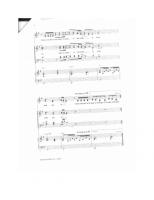
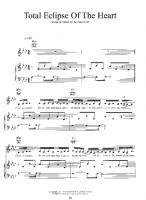
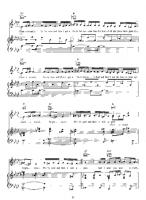
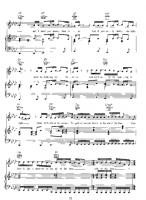
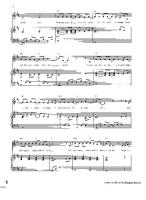
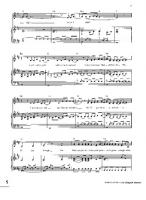
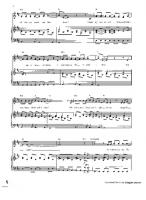
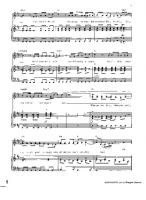
The Little Mermaid
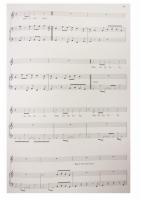
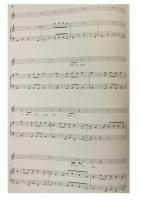
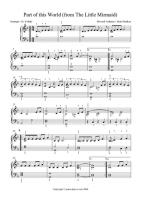
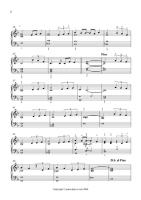
The Little Mermaid is a 1989 animated feature produced by Walt Disney Feature Animation with pencil test began on September 23, 1988 and first released on November 17, 1989 by Walt Disney Pictures with the first Wallace and Gromit short film, A Grand Day Out. The twenty-eighth animated feature in the Disney animated features canon, the film is based on the Hans Christian Andersen fairy tale "The Little Mermaid." During its initial release, it grossed over $84 million in the United States and an additional $99 million internationally.
The film is given credit for breathing life back into the animated feature film genre after a string of critical and commercial failures that had dated to the early 1980s. It also marked the start of the era known as Disney Renaissance.
A stage adaptation of the film with a book by Doug Wright and additional songs by Alan Menken and new lyricist Glenn Slater opened in Denver in July 2007 and began performances on Broadway.
The Little Mermaid: An Original Walt Disney Records Soundtrack is the soundtrack to Disney's 1989 animated feature The Little Mermaid. It contains the songs from the film written by Alan Menken and Howard Ashman, as well as the film's score composed by Alan Menken. The album received the Academy Award for Best Original Score and the Golden Globe Award for Best Original Score.
In October 2006, a new two-disc special edition version of the soundtrack was released to correspond with the two-disc Platinum Edition DVD release of The Little Mermaid. The first disc remains identical to the original release, yet with remastered audio, while the newly added second disc is composed of various newly recorded version of the film's songs by different artists, such as Ashley Tisdale, Raven-Symoné, The Jonas Brothers, and Jessica Simpson. It also includeds two videos, as well as new cover art.
The film is given credit for breathing life back into the animated feature film genre after a string of critical and commercial failures that had dated to the early 1980s. It also marked the start of the era known as Disney Renaissance.
A stage adaptation of the film with a book by Doug Wright and additional songs by Alan Menken and new lyricist Glenn Slater opened in Denver in July 2007 and began performances on Broadway.
The Little Mermaid: An Original Walt Disney Records Soundtrack is the soundtrack to Disney's 1989 animated feature The Little Mermaid. It contains the songs from the film written by Alan Menken and Howard Ashman, as well as the film's score composed by Alan Menken. The album received the Academy Award for Best Original Score and the Golden Globe Award for Best Original Score.
In October 2006, a new two-disc special edition version of the soundtrack was released to correspond with the two-disc Platinum Edition DVD release of The Little Mermaid. The first disc remains identical to the original release, yet with remastered audio, while the newly added second disc is composed of various newly recorded version of the film's songs by different artists, such as Ashley Tisdale, Raven-Symoné, The Jonas Brothers, and Jessica Simpson. It also includeds two videos, as well as new cover art.
Percy Wenrich
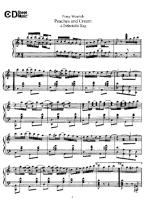
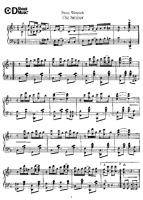
Percy Wenrich (January 23, 1880 – March 17, 1952) was a United States composer of ragtime and popular music.
Born in Joplin, Missouri, he left for Chicago in 1901 and moved on to New York City around 1907 to work as a Tin Pan Alley composer, but his music retains a Missouri folk flavor. He composed at least eighteen rags, including "Ashy Africa," "Noodles," "Peaches and Cream" (1905), "Crabapples," and "The Smiler" (1907). His songs include "Wabash Avenue After Dark" and the hits "Put on Your Old Grey Bonnet" (1909, lyrics by Stanley Murphy) and "When You Wore a Tulip and I Wore a Big Red Rose" (1914, lyrics by Jack Mahoney).
Born in Joplin, Missouri, he left for Chicago in 1901 and moved on to New York City around 1907 to work as a Tin Pan Alley composer, but his music retains a Missouri folk flavor. He composed at least eighteen rags, including "Ashy Africa," "Noodles," "Peaches and Cream" (1905), "Crabapples," and "The Smiler" (1907). His songs include "Wabash Avenue After Dark" and the hits "Put on Your Old Grey Bonnet" (1909, lyrics by Stanley Murphy) and "When You Wore a Tulip and I Wore a Big Red Rose" (1914, lyrics by Jack Mahoney).
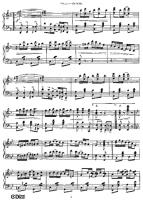
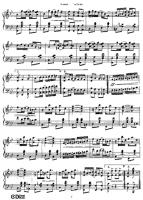
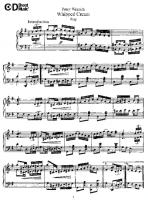
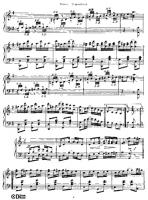
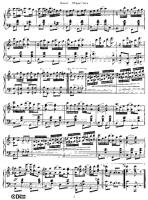
Offenbach
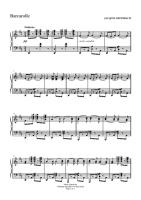
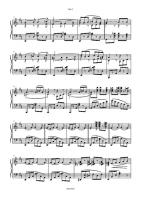
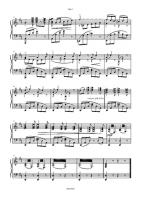
Jacques Offenbach (20 June 1819 – 5 October 1880) was a Prussian-born French composer, cellist and impresario. He is remembered for his nearly 100 operettas of the 1850s–1870s and his uncompleted opera The Tales of Hoffmann. He was a powerful influence on later composers of the operetta genre, particularly Johann Strauss, Jr. and Arthur Sullivan. His best-known works were continually revived during the 20th century, and many of his operettas continue to be staged in the 21st. The Tales of Hoffman remains part of the standard opera repertory.
Charlie Daniels Band
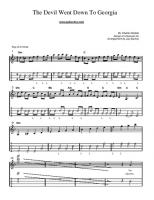
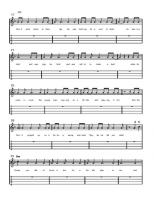
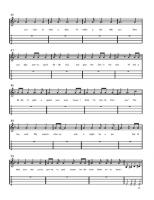
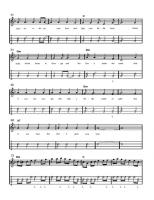
Charles Edward "Charlie" Daniels (born on October 28, 1936) is an American musician known for his contributions to country and southern rock music. He is known primarily for his number one country hit "The Devil Went Down to Georgia", and multiple other songs he has performed and written. Daniels has been active as a singer since the early 1950s. He was inducted into the Grand Ole Opry on January 24, 2008.
Jekyll & Hyde
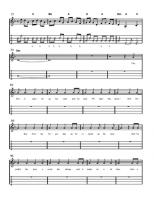
Jekyll & Hyde is a Broadway musical based on the novel, The Strange Case of Dr Jekyll and Mr Hyde by Robert Louis Stevenson. The original stage conception was by Steve Cuden and Frank Wildhorn. The music was composed by Wildhorn and the lyrics were written by Leslie Bricusse.
The show opened on Broadway on April 28, 1997. There were 44 preview performances starting on March 21. The show ran for 1,543 regular performances, closing on January 7, 2001 and is the longest-running show in the history of the Plymouth Theatre.
Despite the long run, the musical lost money in the end: more than $1.5 million.
The show has also been adapted into a film starring David Hasselhoff and Coleen Sexton. The film was directed by Don Roy King.
The show opened on Broadway on April 28, 1997. There were 44 preview performances starting on March 21. The show ran for 1,543 regular performances, closing on January 7, 2001 and is the longest-running show in the history of the Plymouth Theatre.
Despite the long run, the musical lost money in the end: more than $1.5 million.
The show has also been adapted into a film starring David Hasselhoff and Coleen Sexton. The film was directed by Don Roy King.
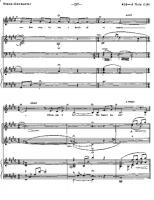
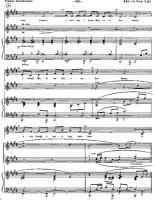
Isaac Albeniz
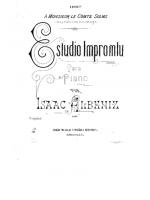
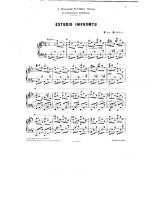
Isaac Albéniz i Pascual (Spanish pronunciation: ) (May 29, 1860 – May 18, 1909) was a Spanish pianist and composer best known for his piano works based on folk music.
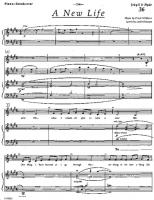
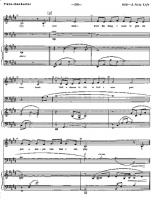
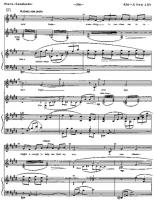
Albéniz’ Suite Española Op.47 is comprised mainly of pieces written in 1886, and grouped together in 1887 in honor of the Queen of Spain. Like many of Albéniz' piano pieces, these works are miniature tone pictures of different geographical regions and musical idioms of Spain. The eight original titles are Granada, Cataluna, Sevilla, Cadiz, Asturias, Aragon, Castilla and Cuba but only the first three titles and Cuba appeared in the original collection. The other pieces were published in later collections, often with different titles. The publisher Hofmeister published all eight titles of Suite Espanola in 1911 after Albéniz’ death, appropriating other pieces for the other four titles so those pieces do not always accurately reflect the geographic designation of the titles, most obviously in the case of Asturias (Leyenda) whose Andalusian flamenco rhythms bear little resemblance to the music of the northern province Asturias. The opus number 47 assigned by Hofmeister has no relation to any chronological order in Albéniz’ oeuvre, in which opus numbers were randomly given by publishers or by Albéniz himself, with some pieces appearing in more than one collection.
Albéniz’ Suite Española Op.47 is comprised mainly of pieces written in 1886, and grouped together in 1887 in honor of the Queen of Spain. Like many of Albéniz' piano pieces, these works are miniature tone pictures of different geographical regions and musical idioms of Spain. The eight original titles are Granada, Cataluna, Sevilla, Cadiz, Asturias, Aragon, Castilla and Cuba but only the first three titles and Cuba appeared in the original collection. The other pieces were published in later collections, often with different titles. The publisher Hofmeister published all eight titles of Suite Espanola in 1911 after Albéniz’ death, appropriating other pieces for the other four titles so those pieces do not always accurately reflect the geographic designation of the titles, most obviously in the case of Asturias (Leyenda) whose Andalusian flamenco rhythms bear little resemblance to the music of the northern province Asturias. The opus number 47 assigned by Hofmeister has no relation to any chronological order in Albéniz’ oeuvre, in which opus numbers were randomly given by publishers or by Albéniz himself, with some pieces appearing in more than one collection.

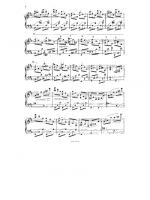
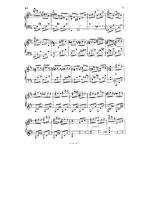
Harvey Loomis
Harvey Worthington Loomis (February 5, 1865-December 25, 1930) was an American composer. He is remembered today for his associations with the Indianist movement and the Wa-Wan Press.
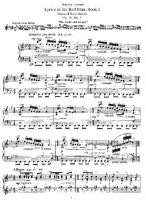
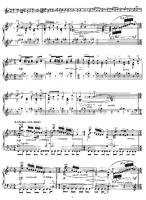
Loomis was born in Brooklyn, New York, and in his youth won a scholarship of three years' study at the National Conservatory. There he studied with Antonin Dvorak, and quickly became a favored pupil of the Bohemian composer. He gained his greatest fame from the collection Lyrics of the Red Man, settings of American Indian songs rescored for piano. Loomis also composed works for children; also in his catalog may be found numerous stage works, including comic operas and pantomimes; sonatas for violin and for piano; and incidental music to numerous stage plays. Little of his music has been committed to disc, although some of the Lyrics may be found on a recording of Indianist piano music released by Naxos Records on the Marco Polo label.
Loomis was born in Brooklyn, New York, and in his youth won a scholarship of three years' study at the National Conservatory. There he studied with Antonin Dvorak, and quickly became a favored pupil of the Bohemian composer. He gained his greatest fame from the collection Lyrics of the Red Man, settings of American Indian songs rescored for piano. Loomis also composed works for children; also in his catalog may be found numerous stage works, including comic operas and pantomimes; sonatas for violin and for piano; and incidental music to numerous stage plays. Little of his music has been committed to disc, although some of the Lyrics may be found on a recording of Indianist piano music released by Naxos Records on the Marco Polo label.
Yanni
Yanni (born Yiannis Hrysomallis (pronounced Chrysomallis), (Greek: Γιάννης Χρυσομάλλης, classical transcription Giannis Chrysomallis), on November 14, 1954 in Kalamata, Greece) is a self-taught pianist, keyboardist, and composer. After receiving a B.A. in psychology, he would instead seek a life in music though he had no formal training and could not read a note.
He earned Grammy nominations for his 1992 album, Dare to Dream, and the 1993 follow-up, In My Time. His breakthrough success came with the 1994 release of Yanni Live at the Acropolis, deemed to be the second best-selling music video of all time, (behind Michael Jackson's video for Thriller with nine million units). Yanni has since performed live in concert before in excess of two million people in more than 20 countries around the world. He has accumulated more than 35 platinum and gold albums globally, with sales totaling over 20 million copies. Yanni is considered to be one of the top fundraisers of all time for public television. His compositions have been included in all Olympic Games television broadcasts since 1988, and his music has been used extensively in television and televised sporting events. His music is frequently described as "new age", though he prefers the term "contemporary instrumental". The regents of the University of Minnesota conferred upon Yanni the honorary degree of Doctor of Humane Letters.
He earned Grammy nominations for his 1992 album, Dare to Dream, and the 1993 follow-up, In My Time. His breakthrough success came with the 1994 release of Yanni Live at the Acropolis, deemed to be the second best-selling music video of all time, (behind Michael Jackson's video for Thriller with nine million units). Yanni has since performed live in concert before in excess of two million people in more than 20 countries around the world. He has accumulated more than 35 platinum and gold albums globally, with sales totaling over 20 million copies. Yanni is considered to be one of the top fundraisers of all time for public television. His compositions have been included in all Olympic Games television broadcasts since 1988, and his music has been used extensively in television and televised sporting events. His music is frequently described as "new age", though he prefers the term "contemporary instrumental". The regents of the University of Minnesota conferred upon Yanni the honorary degree of Doctor of Humane Letters.
Linkin Park
Linkin Park is an American rock band from Agoura Hills, California. Since their formation in 1996, the band has sold more than 50 million albums and won two Grammy Awards. They achieved mainstream success with their debut album, Hybrid Theory, which was certified Diamond by the RIAA in 2005. Their following studio album, Meteora, continued the band's success, topping the Billboard 200’s album charts in 2003, and was followed by extensive touring and charity work around the world.
Recognized for their adaptation of the nu metal and rap rock genre into a radio-friendly yet densely-layered style in Hybrid Theory and Meteora, the band moved away from this and explored a variety of other genres in their latest studio album, Minutes to Midnight. The album topped the Billboard charts and had the third best debut week of any album that year. They are also known for their several collaborations, most notably with rapper Jay-Z in their mash-up album Collision Course, and many other artists on Reanimation.
Recognized for their adaptation of the nu metal and rap rock genre into a radio-friendly yet densely-layered style in Hybrid Theory and Meteora, the band moved away from this and explored a variety of other genres in their latest studio album, Minutes to Midnight. The album topped the Billboard charts and had the third best debut week of any album that year. They are also known for their several collaborations, most notably with rapper Jay-Z in their mash-up album Collision Course, and many other artists on Reanimation.
Pocahontas
Pocahontas is the thirty-third animated feature in the Disney animated features canon. It was produced by Walt Disney Feature Animation in April 15, 1994 and was originally released to selected theaters on June 16, 1995 by Buena Vista Pictures. The film is the first Disney film to be based on a real historic character. The film is based on the known historical story of Pocahontas but also on the folklore and legend that surround it. In particular, it presents an emotionally charged and highly dramatic account of the meeting between Pocahontas and John Smith. Pocahontas is one of the very few Disney films to feature an interracial romance (though not to the point of marriage),and is part of the Disney Renaissance that began in 1989 with The Little Mermaid.
Pocahontas: An Original Walt Disney Records Soundtrack is the soundtrack to Disney's 1995, thirty-third animated feature Pocahontas. It contains songs from the film written by Alan Menken and Stephen Schwartz, conducted by David Friedman, and performed by Judy Kuhn, Mel Gibson, Linda Hunt, Jim Cummings and David Ogden Stiers among others, and singles by Jon Secada and Shanice, and Vanessa L. Williams, along with the film's score composed by Alan Menken. It was released on May 30, 1995 on CD and audio cassette.
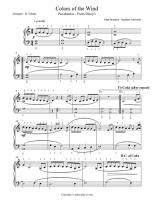
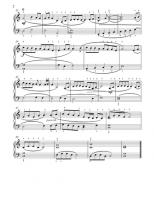
The film's sountrack is probably best known for the track that serves as the film's anthem, "Colors of the Wind", which went on to win an Academy Award, a Golden Globe Award, and a Grammy Award. As a single, "Colors of the Wind" went on to reach #4 on the U.S. pop charts in 1995, and was one of Williams' biggest hits.
The soundtrack also won The Academy Award for Best Original Score, sold 2.3 million copies in the remaining two months of 1995 alone, and went on to reach #1 on the Billboard 200.
Pocahontas: An Original Walt Disney Records Soundtrack is the soundtrack to Disney's 1995, thirty-third animated feature Pocahontas. It contains songs from the film written by Alan Menken and Stephen Schwartz, conducted by David Friedman, and performed by Judy Kuhn, Mel Gibson, Linda Hunt, Jim Cummings and David Ogden Stiers among others, and singles by Jon Secada and Shanice, and Vanessa L. Williams, along with the film's score composed by Alan Menken. It was released on May 30, 1995 on CD and audio cassette.
The film's sountrack is probably best known for the track that serves as the film's anthem, "Colors of the Wind", which went on to win an Academy Award, a Golden Globe Award, and a Grammy Award. As a single, "Colors of the Wind" went on to reach #4 on the U.S. pop charts in 1995, and was one of Williams' biggest hits.
The soundtrack also won The Academy Award for Best Original Score, sold 2.3 million copies in the remaining two months of 1995 alone, and went on to reach #1 on the Billboard 200.
Woolsey
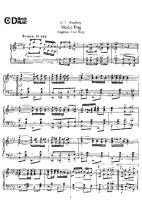
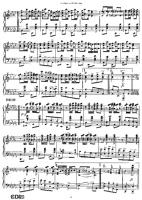
Calvin Woolsey (December 26, 1884—November 12, 1946) was an American physician and pianist. He studied at Harvard Medical School and served in World War I.
He also composed rags in the folk ragtime style that was popular around 1900. He sold two of these to Jerome H. Remick and self-published several others. He died in Braymer, Missouri in 1946.
He also composed rags in the folk ragtime style that was popular around 1900. He sold two of these to Jerome H. Remick and self-published several others. He died in Braymer, Missouri in 1946.
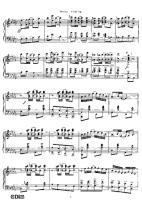
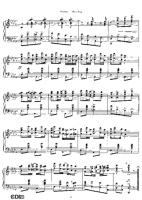
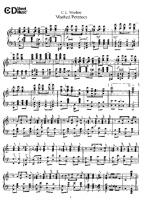
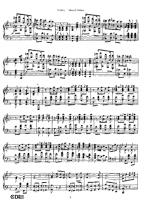
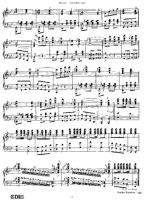
Tradizionale
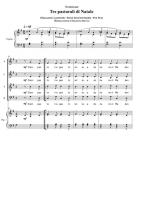
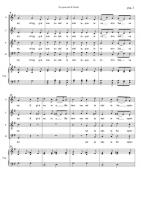
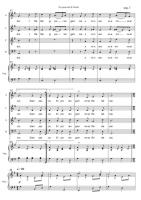
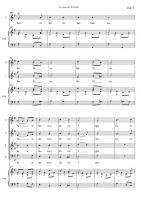
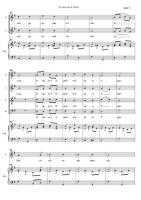
Beauty and the Beast
Beauty and the Beast is a 1991 animated American family film. It is the thirtieth animated feature produced by Walt Disney Feature Animation. The film received its premiere at the El Capitan Theatre in Hollywood on November 13, 1991. This film, one of the best known of the Disney studio's films, is based on the well-known fairy tale Beauty and the Beast, about a beautiful woman kept in a castle by a horrific monster. It is the first and only full-length animated feature film to ever be nominated for an Academy Award for Best Picture (it lost to The Silence of the Lambs). Heightening the level of performance in the era known as the Disney Renaissance (1989-1999, beginning with The Little Mermaid and ending with Tarzan ), many animated films following its release have been influenced by its blending of traditional animation and computer generated imagery.
Beauty and the Beast ranked 7th on the American Film Institutes's list of best animated films, #22 on the Institutes's list of best musicals and #34 on its list of the best romantic American movies. On the list of the greatest songs from American movies, Beauty and the Beast ranked #62. The film was adapted into a Broadway musical of the same name, which ran from 1994 to 2007.
In 2002, Beauty and the Beast was added to the United States National Film Registry as being deemed "culturally, historically, or aesthetically significant." In January of the same year, the film was reissued in IMAX format in a special edition edit including a new musical sequence. A two-disc Platinum Edition DVD release followed in October.
Beauty and the Beast ranked 7th on the American Film Institutes's list of best animated films, #22 on the Institutes's list of best musicals and #34 on its list of the best romantic American movies. On the list of the greatest songs from American movies, Beauty and the Beast ranked #62. The film was adapted into a Broadway musical of the same name, which ran from 1994 to 2007.
In 2002, Beauty and the Beast was added to the United States National Film Registry as being deemed "culturally, historically, or aesthetically significant." In January of the same year, the film was reissued in IMAX format in a special edition edit including a new musical sequence. A two-disc Platinum Edition DVD release followed in October.
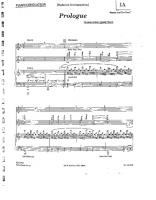
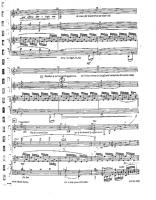
Milton Ager
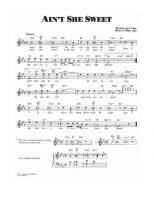
Milton Ager (October 6, 1893 – May 6, 1979) was an American composer.
Ager was born in Chicago, Illinois, the sixth of nine children. Leaving school with only three years of formal high-school education, he taught himself to play the piano and embarked on a career as a musician. After spending time as an accompanist to silent movies, he moved to New York to write music. During World War I he served as a morale officer.
Ager also was a music publisher in partnership with his frequent musical collaborator, lyricist Jack Yellen. He moved to Hollywood where he made a living writing songs for film. On his death, Milton Ager was interred in the Westwood Village Memorial Park Cemetery in Los Angeles.
Ager was born in Chicago, Illinois, the sixth of nine children. Leaving school with only three years of formal high-school education, he taught himself to play the piano and embarked on a career as a musician. After spending time as an accompanist to silent movies, he moved to New York to write music. During World War I he served as a morale officer.
Ager also was a music publisher in partnership with his frequent musical collaborator, lyricist Jack Yellen. He moved to Hollywood where he made a living writing songs for film. On his death, Milton Ager was interred in the Westwood Village Memorial Park Cemetery in Los Angeles.
Mozart
Wolfgang Amadeus Mozart, full name Johann Chrysostom Wolfgang Amadeus Mozart (27 January 1756 â 5 December 1791) was a prolific and influential composer of the Classical era. His over 600 compositions include works widely acknowledged as pinnacles of symphonic, concertante, chamber, piano, operatic, and choral music. Mozart is among the most enduringly popular of classical composers, and many of his works are part of the standard concert repertoire.
Mozart's music, like Haydn's, stands as an archetypal example of the Classical style. His works spanned the period during which that style transformed from one exemplified by the style galant to one that began to incorporate some of the contrapuntal complexities of the late Baroque, complexities against which the galant style had been a reaction. Mozart's own stylistic development closely paralleled the development of the classical style as a whole. In addition, he was a versatile composer and wrote in almost every major genre, including symphony, opera, the solo concerto, chamber music including string quartet and string quintet, and the piano sonata. While none of these genres were new, the piano concerto was almost single-handedly developed and popularized by Mozart. He also wrote a great deal of religious music, including masses; and he composed many dances, divertimenti, serenades, and other forms of light entertainment.
The central traits of the classical style can be identified in Mozart's music. Clarity, balance, and transparency are hallmarks of his work.
Mozart's music, like Haydn's, stands as an archetypal example of the Classical style. His works spanned the period during which that style transformed from one exemplified by the style galant to one that began to incorporate some of the contrapuntal complexities of the late Baroque, complexities against which the galant style had been a reaction. Mozart's own stylistic development closely paralleled the development of the classical style as a whole. In addition, he was a versatile composer and wrote in almost every major genre, including symphony, opera, the solo concerto, chamber music including string quartet and string quintet, and the piano sonata. While none of these genres were new, the piano concerto was almost single-handedly developed and popularized by Mozart. He also wrote a great deal of religious music, including masses; and he composed many dances, divertimenti, serenades, and other forms of light entertainment.
The central traits of the classical style can be identified in Mozart's music. Clarity, balance, and transparency are hallmarks of his work.
Scott Joplin
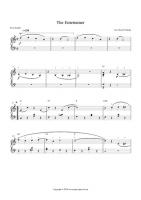
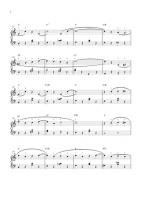
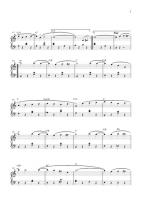
Scott Joplin (between June 1867 and January 1868 – April 1, 1917) was an American musician and composer of ragtime music. He remains the best-known ragtime figure and is regarded as one of the three most important composers of classic ragtime, along with James Scott and Joseph Lamb, and also a precursor to Stride Piano. Decades after his death, his music enjoyed a considerable surge of popularity and critical respect in the 1970s, especially for his most famous composition, "The Entertainer."
Even at the time of publication, Joplin's publisher John Stark was claiming that the rags had obtained classical status, and "lifted ragtime from its low estate and lined it up with Beethoven and Bach".
Even at the time of publication, Joplin's publisher John Stark was claiming that the rags had obtained classical status, and "lifted ragtime from its low estate and lined it up with Beethoven and Bach".
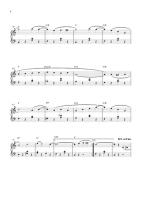
Felix Bernard
Felix Bernard (1897 – 1944) was an American conductor, pianist and a composer of popular music. His writing credits include the popular songs Winter Wonderland (with lyricist Richard B. Smith) and Dardanella.
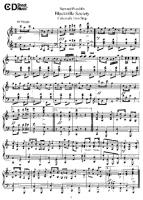
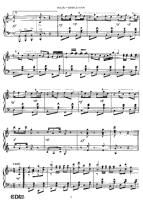
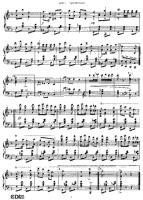
Ray Charles
Raymond Charles Robinson (September 23, 1930 â June 10, 2004), known by his stage name Ray Charles, was an American pianist and singer who shaped the sound of rhythm and blues. He brought a soulful sound to country music, pop standards, and a rendition of "America the Beautiful" that Ed Bradley of 60 Minutes called the "definitive version of the song, an American anthem â a classic, just as the man who sung it." Frank Sinatra called him "the only true genius in the business" and in 2004, Rolling Stone Magazine ranked Charles #10 on their list of the 100 Greatest Artists of All Time.
During the late 1960s and into the 1970s, Charles' releases were hit-or-miss, with some big hits and critically acclaimed work. His version of "Georgia On My Mind" was proclaimed the state song of Georgia on April 24, 1979, with Charles performing it on the floor of the state legislature.
He died on June 10, 2004 of hepatocellular carcinoma (liver cancer) at his home in Beverly Hills, California, surrounded by family and friends. His body was interred in the Inglewood Park Cemetery in Inglewood, California. His final album, Genius Loves Company, released two months after his death, consists of duets with various admirers and contemporaries: B.B. King, Van Morrison, Willie Nelson, James Taylor, Gladys Knight, Michael McDonald, Natalie Cole, Elton John, Bonnie Raitt, Diana Krall, Norah Jones, and Johnny Mathis.
During the late 1960s and into the 1970s, Charles' releases were hit-or-miss, with some big hits and critically acclaimed work. His version of "Georgia On My Mind" was proclaimed the state song of Georgia on April 24, 1979, with Charles performing it on the floor of the state legislature.
He died on June 10, 2004 of hepatocellular carcinoma (liver cancer) at his home in Beverly Hills, California, surrounded by family and friends. His body was interred in the Inglewood Park Cemetery in Inglewood, California. His final album, Genius Loves Company, released two months after his death, consists of duets with various admirers and contemporaries: B.B. King, Van Morrison, Willie Nelson, James Taylor, Gladys Knight, Michael McDonald, Natalie Cole, Elton John, Bonnie Raitt, Diana Krall, Norah Jones, and Johnny Mathis.
Casting Crowns
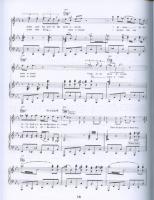
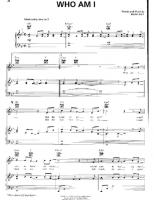
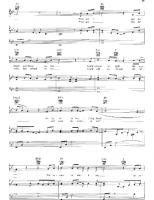
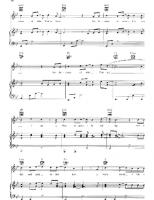
Casting Crowns is a Grammy award and Dove Award winning Christian band that employs a soft rock music style. The band was created in 1999 by youth pastor Mark Hall at First Baptist Church in Downtown Daytona Beach, Florida as part of a Youth Group. He also serves as a lead vocalist. Later they moved to McDonough, Georgia and more members joined creating the band now known as Casting Crowns. Some members of the band currently work as ministers for Eagles Landing First Baptist Church in McDonough, Georgia.
Discovered by, among others, contemporary Christian music legend Steven Curtis Chapman, Casting Crowns received a recording contract and vaulted to popularity in 2003 with their self-titled debut album Casting Crowns. The album quickly made them one of the fastest selling debut artists in Christian music history. Lifesong followed in 2005, debuting at #9 on the Billboard 200 Albums Chart. Both albums have been certified Platinum. The band's third album The Altar and the Door debuted at #2 on the Billboard 200 Albums Chart and #1 on the Hot Christian Albums chart upon its release in August 2007. Ten weeks after it came out it was certified Gold.
Casting Crowns has enjoyed tremendous success in the United States. They have released nine singles to date, seven of which have become consecutive number one hits on various Christian music charts. "Voice of Truth" spent a record-breaking fourteen consecutive weeks at #1 beginning in 2003. "Lifesong" spent nine weeks in the top spot, with "Praise You in This Storm" remaining at #1 for seven weeks. Casting Crowns broke their own record in 2007 when the single "East to West" from The Altar and the Door hit sixteen consecutive weeks at #1. The song ended up enjoying the top spot for a total of nineteen weeks, now their most successful single to date.
Discovered by, among others, contemporary Christian music legend Steven Curtis Chapman, Casting Crowns received a recording contract and vaulted to popularity in 2003 with their self-titled debut album Casting Crowns. The album quickly made them one of the fastest selling debut artists in Christian music history. Lifesong followed in 2005, debuting at #9 on the Billboard 200 Albums Chart. Both albums have been certified Platinum. The band's third album The Altar and the Door debuted at #2 on the Billboard 200 Albums Chart and #1 on the Hot Christian Albums chart upon its release in August 2007. Ten weeks after it came out it was certified Gold.
Casting Crowns has enjoyed tremendous success in the United States. They have released nine singles to date, seven of which have become consecutive number one hits on various Christian music charts. "Voice of Truth" spent a record-breaking fourteen consecutive weeks at #1 beginning in 2003. "Lifesong" spent nine weeks in the top spot, with "Praise You in This Storm" remaining at #1 for seven weeks. Casting Crowns broke their own record in 2007 when the single "East to West" from The Altar and the Door hit sixteen consecutive weeks at #1. The song ended up enjoying the top spot for a total of nineteen weeks, now their most successful single to date.
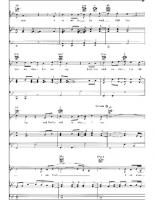
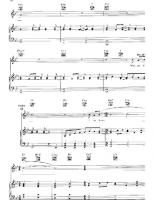
Chaka Khan
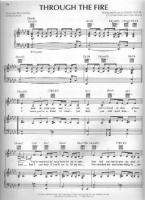
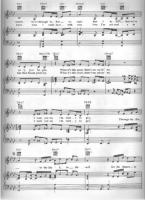
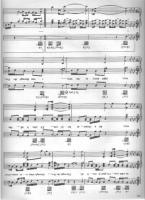
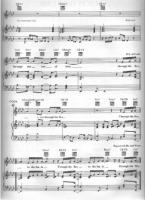
Chaka Khan (born Yvette Marie Stevens; March 23, 1953) is an American singer and composer who gained fame in the 1970s as the frontwoman and focal point of the funk band Rufus. While still a member of the group in 1978, Khan embarked on a successful solo career. Her signature hits, both with Rufus and as a solo performer, include "Tell Me Something Good", "Sweet Thing", "Ain't Nobody", "I'm Every Woman", "I Feel for You" and "Through the Fire".
Sara Bareilles
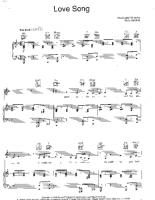
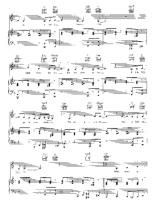
Sara Beth Bareilles (born December 7, 1979) is an American singer-songwriter and pianist. She achieved mainstream success in 2007 with the hit single "Love Song", which brought her into the number one spot on the Billboard Pop 100 chart.
After graduating from college in 2002, Bareilles performed at local bars and clubs (such as the Hotel Cafe and Genghis Cohen in Los Angeles), building a following, before performing in larger venues. She issued two demos of mostly live tracks in 2003: The First One in April and The Summer Sessions in October. In 2004, she appeared as a singer in a bar in the indie film Girl Play, performing the song "Undertow".
In January 2004, Bareilles released her first studio album, Careful Confessions. She signed a contract with Epic Records' A&R executive Pete Giberga on April 15, 2005. The remainder of the year and early 2006 were spent writing and reworking songs for her upcoming album. Her song, "Gravity," appears briefly in the 2006 independent film Loving Annabelle. She also toured as the opening act in 2006 for Marc Broussard's "Carencro" tour.
In mid-2004 she opened for Rocco DeLuca and the Burden during their inaugural headline tour, supported Guster on their first UK tour and co-headlined a tour with Jon McLaughlin. In 2007, Bareilles toured as the opening act for Aqualung and Mika, and later that year opened for several shows on both Maroon 5 and Paolo Nutini's U.S. tours. She also opened for James Blunt on his U.S. Tour in association with VH1 You Oughta Know.
After graduating from college in 2002, Bareilles performed at local bars and clubs (such as the Hotel Cafe and Genghis Cohen in Los Angeles), building a following, before performing in larger venues. She issued two demos of mostly live tracks in 2003: The First One in April and The Summer Sessions in October. In 2004, she appeared as a singer in a bar in the indie film Girl Play, performing the song "Undertow".
In January 2004, Bareilles released her first studio album, Careful Confessions. She signed a contract with Epic Records' A&R executive Pete Giberga on April 15, 2005. The remainder of the year and early 2006 were spent writing and reworking songs for her upcoming album. Her song, "Gravity," appears briefly in the 2006 independent film Loving Annabelle. She also toured as the opening act in 2006 for Marc Broussard's "Carencro" tour.
In mid-2004 she opened for Rocco DeLuca and the Burden during their inaugural headline tour, supported Guster on their first UK tour and co-headlined a tour with Jon McLaughlin. In 2007, Bareilles toured as the opening act for Aqualung and Mika, and later that year opened for several shows on both Maroon 5 and Paolo Nutini's U.S. tours. She also opened for James Blunt on his U.S. Tour in association with VH1 You Oughta Know.
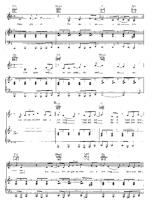
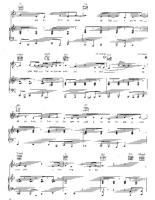
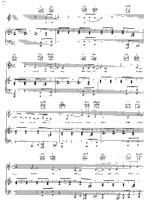
Five for Fighting
Five for Fighting is the stage name of American singer-songwriter John Ondrasik. His 2000 album America Town went platinum in the U.S. largely due to the success of the song "Superman (It's Not Easy)" following the September 11 attacks in 2001. The 2004 album The Battle for Everything has also enjoyed chart success in the United States. Ondrasik has also released a DualDisc of his 2004 album which has one side containing The Battle for Everything in its entirety and the other side being a DVD containing bonus footage and the "100 Years" music video. Five for Fighting's fourth album, Two Lights, was released on August 1, 2006.
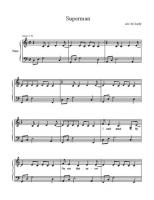
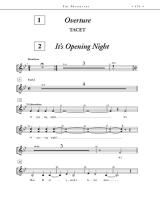
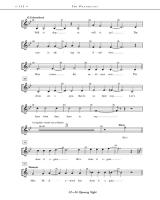
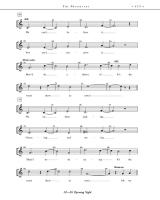
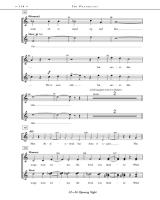
The Producers
The Producers is a musical adapted by Mel Brooks and Thomas Meehan from Brooks' 1968 film of the same name, with lyrics written by Brooks and music composed by Brooks and arranged by Glen Kelly and Doug Besterman. As in the film, the story concerns two theatrical producers who scheme to get rich by overselling interests in a Broadway flop. The humor of the show is accessible to a wide range of audiences and draws on ridiculous accents, caricatures of homosexuals and Nazis, and many show business in-jokes.
The original production opened on Broadway on April 19, 2001, starring Nathan Lane and Matthew Broderick, and ran for 2,502 performances, winning a record-breaking 12 Tony Awards. It spawned a successful London production running for three years, national tours, many productions internationally and a 2005 film version.
The original production opened on Broadway on April 19, 2001, starring Nathan Lane and Matthew Broderick, and ran for 2,502 performances, winning a record-breaking 12 Tony Awards. It spawned a successful London production running for three years, national tours, many productions internationally and a 2005 film version.
Pachelbel
Johann Pachelbel (baptized September 1, 1653 – buried March 9, 1706) was a German Baroque composer, organist and teacher who brought the south German organ tradition to its peak. He composed a large body of sacred and secular music, and his contributions to the development of the chorale prelude and fugue have earned him a place among the most important composers of the middle Baroque era.
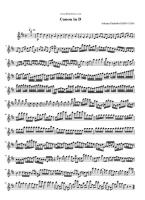
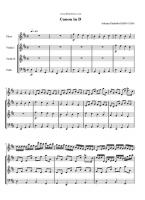
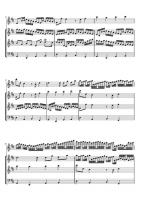
Pachelbel's work enjoyed enormous popularity during his lifetime; he had many pupils and his music became a model for the composers of south and central Germany. Today, Pachelbel is best known for the Canon in D, the only canon he wrote. In addition to the canon, his most well-known works include the Chaconne in F minor, the Toccata in E minor for organ, and the Hexachordum Apollinis, a set of keyboard variations.
Pachelbel's music was influenced by southern German composers, such as Johann Jakob Froberger and Johann Kaspar Kerll, Italians such as Girolamo Frescobaldi and Alessandro Poglietti, French composers, and the composers of the Nuremberg tradition. Pachelbel preferred a lucid, uncomplicated contrapuntal style that emphasized melodic and harmonic clarity. His music is less virtuosic and less adventurous harmonically than that of Dieterich Buxtehude, although, like Buxtehude, Pachelbel experimented with different ensembles and instrumental combinations in his chamber music and, most importantly, his vocal music, much of which features exceptionally rich instrumentation. Pachelbel explored many variation forms and associated techniques, which manifest themselves in various diverse pieces, from sacred concertos to harpsichord suites.
Pachelbel's work enjoyed enormous popularity during his lifetime; he had many pupils and his music became a model for the composers of south and central Germany. Today, Pachelbel is best known for the Canon in D, the only canon he wrote. In addition to the canon, his most well-known works include the Chaconne in F minor, the Toccata in E minor for organ, and the Hexachordum Apollinis, a set of keyboard variations.
Pachelbel's music was influenced by southern German composers, such as Johann Jakob Froberger and Johann Kaspar Kerll, Italians such as Girolamo Frescobaldi and Alessandro Poglietti, French composers, and the composers of the Nuremberg tradition. Pachelbel preferred a lucid, uncomplicated contrapuntal style that emphasized melodic and harmonic clarity. His music is less virtuosic and less adventurous harmonically than that of Dieterich Buxtehude, although, like Buxtehude, Pachelbel experimented with different ensembles and instrumental combinations in his chamber music and, most importantly, his vocal music, much of which features exceptionally rich instrumentation. Pachelbel explored many variation forms and associated techniques, which manifest themselves in various diverse pieces, from sacred concertos to harpsichord suites.
Jamiroquai
Jamiroquai is a Grammy Award-winning English acid jazz/funk/soul band. Jamiroquai was initially the most prominent component in the early-1990s London-based acid jazz movement, alongside groups such as Incognito, the Brand New Heavies, Galliano, and Corduroy. Subsequent albums have explored other musical directions such as, but not limited to, pop, rock and electronica. Jamiroquai has sold over 2.5 million records in the United States alone and over 21 million records all over the world.
The band name is a blend of Jam session and "iroquai", based on the Iroquois, a Native American tribe. The lineup of the band has changed several times, and the longest serving and now core members of the band are lead singer and songwriter Jason "Jay" Kay and drummer Derrick McKenzie (1994). Despite his self-professed attempts to treat Jamiroquai as a band, Kay has always been at the forefront of how the group is marketed, and has therefore always had the lion's share of media attention, to the point where he is viewed as almost a solo artist. He was the impetus behind the formation of Jamiroquai, deciding to form the band after an unsuccessful audition to become the singer of the Brand New Heavies.
The band name is a blend of Jam session and "iroquai", based on the Iroquois, a Native American tribe. The lineup of the band has changed several times, and the longest serving and now core members of the band are lead singer and songwriter Jason "Jay" Kay and drummer Derrick McKenzie (1994). Despite his self-professed attempts to treat Jamiroquai as a band, Kay has always been at the forefront of how the group is marketed, and has therefore always had the lion's share of media attention, to the point where he is viewed as almost a solo artist. He was the impetus behind the formation of Jamiroquai, deciding to form the band after an unsuccessful audition to become the singer of the Brand New Heavies.
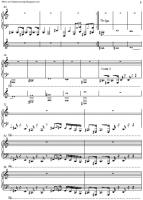
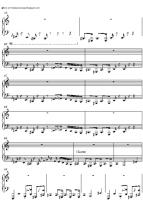
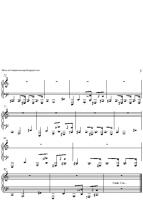
Aerosmith
Aerosmith is an American hard rock band, sometimes referred to as "The Bad Boys from Boston" The band was formed in Boston, Massachusetts in 1970. Guitarist Joe Perry and bassist Tom Hamilton, originally in a band together called the Jam Band, met up with singer Steven Tyler, drummer Joey Kramer, and guitarist Ray Tabano, and formed Aerosmith. By 1971, Tabano was replaced by Brad Whitford, and the band began developing a following in Boston.
They were signed to Columbia Records in 1972 and released a string of multi-platinum albums, beginning with their 1973 eponymous debut album. In 1975, the band broke into the mainstream with the album Toys in the Attic, and their 1976 follow-up Rocks cemented their status as hard rock superstars. The band did not fare well between 1980 and 1984, releasing a lone album, Rock in a Hard Place, which only went gold, failing to match the successes of their previous efforts.
Although Perry and Whitford returned in 1984 and the band signed a new deal with Geffen Records, it wasn't until the band sobered up and released 1987's Permanent Vacation that they regained the level of popularity they had experienced in the 1970s. After 38 years of performing, the band continues to tour and record music.
They were signed to Columbia Records in 1972 and released a string of multi-platinum albums, beginning with their 1973 eponymous debut album. In 1975, the band broke into the mainstream with the album Toys in the Attic, and their 1976 follow-up Rocks cemented their status as hard rock superstars. The band did not fare well between 1980 and 1984, releasing a lone album, Rock in a Hard Place, which only went gold, failing to match the successes of their previous efforts.
Although Perry and Whitford returned in 1984 and the band signed a new deal with Geffen Records, it wasn't until the band sobered up and released 1987's Permanent Vacation that they regained the level of popularity they had experienced in the 1970s. After 38 years of performing, the band continues to tour and record music.
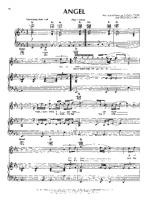
Disney
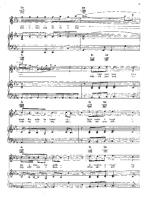
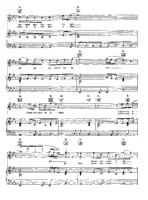
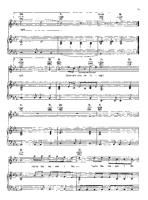
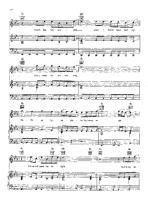
The Walt Disney Company (NYSE: DIS), often simply known as Disney, is the largest media and entertainment conglomerate in the world, known for its family-friendly products. Founded on October 16, 1923, by brothers Walt Disney and Roy Disney as an animation studio, it has become one of the biggest Hollywood studios, and owner and licensor of eleven theme parks and several television networks, including ABC and ESPN. Disney's corporate headquarters and primary production facilities are located at The Walt Disney Studios in Burbank, California. The company has been a component of the Dow Jones Industrial Average since May 6, 1991. Mickey Mouse serves as the official mascot of The Walt Disney Company.

Search for Free Sheet Music
You can make a search through the entire collection of sheets.
You can make a search through the entire collection of sheets.
Hi, fellow musicians!
There is no registration required to download the sheets but you can subscribe to our mailing list to get notified of new sheets.
There is no registration required to download the sheets but you can subscribe to our mailing list to get notified of new sheets.
Latest Artists
Christian Sinding
× 1
The Cure × 1
Roberto Menescal × 2
Saint Seiya × 1
Eric Satie × 2
W. Wiegand × 1
Kirk Franklin × 1
Hangad × 2
Michael Gibbs × 1
Pasek and Paul × 1
Alicia Keys × 1
Maksim Mrvica × 2
Mykola Leontovych × 1
Javad Maroufi × 1
Yiruma × 2
Elliot MInor × 1
Eugene Ysaye × 1
james william elliott × 1
Edwin O. Excell × 1
Ernst Mahle (born 3 January... × 1
Heino Gaze × 1
Alex North × 1
James A. Goins × 1
Thomas Lupo × 1
John Francis Wade × 1
Ludwig van Beethoven Composer × 1
A Fine Frenzy × 1
Earth, Wind & Fire × 2
Scott Alan × 1
Walt Harrah × 1
John Barry × 2
Guilherme Schroeter × 1
Delta Goodrem × 1
Lara Fabian × 1
Carlisle Floyd × 1
Bela Bartok × 1
Lady Gaga × 3
Casino Royale × 1
Music theory × 5
Riya × 1
Nino Rota × 1
Caroline Savigny-Molnar × 1
Roberto Abrodos × 1
Yuki Kajiura × 2
Hyacinthe Klosé × 1
Goo Goo Dolls × 1
Thelonious Monk × 1
Bruce Baker × 1
Lev Zemlinski × 1
Evard Grieg × 1
The Cure × 1
Roberto Menescal × 2
Saint Seiya × 1
Eric Satie × 2
W. Wiegand × 1
Kirk Franklin × 1
Hangad × 2
Michael Gibbs × 1
Pasek and Paul × 1
Alicia Keys × 1
Maksim Mrvica × 2
Mykola Leontovych × 1
Javad Maroufi × 1
Yiruma × 2
Elliot MInor × 1
Eugene Ysaye × 1
james william elliott × 1
Edwin O. Excell × 1
Ernst Mahle (born 3 January... × 1
Heino Gaze × 1
Alex North × 1
James A. Goins × 1
Thomas Lupo × 1
John Francis Wade × 1
Ludwig van Beethoven Composer × 1
A Fine Frenzy × 1
Earth, Wind & Fire × 2
Scott Alan × 1
Walt Harrah × 1
John Barry × 2
Guilherme Schroeter × 1
Delta Goodrem × 1
Lara Fabian × 1
Carlisle Floyd × 1
Bela Bartok × 1
Lady Gaga × 3
Casino Royale × 1
Music theory × 5
Riya × 1
Nino Rota × 1
Caroline Savigny-Molnar × 1
Roberto Abrodos × 1
Yuki Kajiura × 2
Hyacinthe Klosé × 1
Goo Goo Dolls × 1
Thelonious Monk × 1
Bruce Baker × 1
Lev Zemlinski × 1
Evard Grieg × 1