
Monteverdi Sheet Music
Claudio Giovanni Antonio Monteverdi (May 15, 1567 (baptized) â November 29, 1643), was an Italian composer, gambist, and singer.
Monteverdi's work, often regarded as revolutionary, marked the transition from the music of the Renaissance to that of the Baroque. Enjoying fame in his lifetime, he wrote one of the earliest operas, L'Orfeo, which is still regularly performed.
Monteverdi composed at least eighteen operas, but only L'Orfeo, L'incoronazione di Poppea, Il ritorno d'Ulisse in patria and the famous aria, Lamento, from his second opera L'Arianna have survived. From monody (with melodic lines, intelligible text and placid accompanying music), it was a logical step for Monteverdi to begin composing opera, especially for a dramatically inclined composer who loved grand effect. In 1607, the premiere of his first opera, L'Orfeo, took place in Mantua. It was normal at that time for composers to create works on demand for special occasions, and this piece was part of the ducal celebrations of carnival. (Monteverdi was later to write for the first opera houses supported by ticket sales which opened in Venice). L'Orfeo has dramatic power and lively orchestration and is arguably the first example of a composer assigning specific instruments to parts in operas. It is also one of the first large compositions in which the exact instrumentation of the premiere has come down to us.
Monteverdi's work, often regarded as revolutionary, marked the transition from the music of the Renaissance to that of the Baroque. Enjoying fame in his lifetime, he wrote one of the earliest operas, L'Orfeo, which is still regularly performed.
Monteverdi composed at least eighteen operas, but only L'Orfeo, L'incoronazione di Poppea, Il ritorno d'Ulisse in patria and the famous aria, Lamento, from his second opera L'Arianna have survived. From monody (with melodic lines, intelligible text and placid accompanying music), it was a logical step for Monteverdi to begin composing opera, especially for a dramatically inclined composer who loved grand effect. In 1607, the premiere of his first opera, L'Orfeo, took place in Mantua. It was normal at that time for composers to create works on demand for special occasions, and this piece was part of the ducal celebrations of carnival. (Monteverdi was later to write for the first opera houses supported by ticket sales which opened in Venice). L'Orfeo has dramatic power and lively orchestration and is arguably the first example of a composer assigning specific instruments to parts in operas. It is also one of the first large compositions in which the exact instrumentation of the premiere has come down to us.
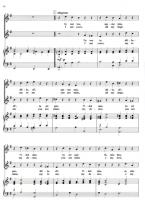
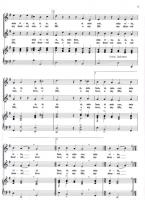
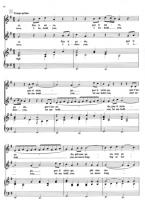
Monteverdi - Drusilla Poppea Piano Sheet Music
Advertisement
Advertisement

Please click on the button to get the sheet music
You can share this sheet on your Twitter or Facebook account to let your friends know too!
Comments about Drusilla Poppea by Monteverdi
There are no comments yet
Name (required)
Email (required, will not be published)
Email (required, will not be published)
Total 0/1000 chars
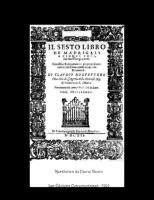
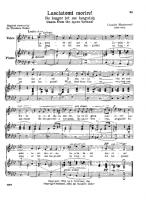
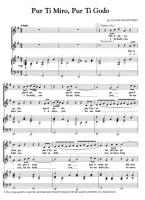
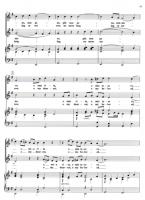
Other music sheets of Monteverdi












Search for Free Sheet Music
You can make a search through the entire collection of sheets.
You can make a search through the entire collection of sheets.
Latest Artists
Astor Piazzolla
× 3
Samuel Ljungblahd × 1
Frida Situmorang × 1
Arthur Johnston × 1
Michael Nyman × 1
Darren Aronofsky × 1
Stevie Nicks × 1
Joachim Andersen × 1
Schumann × 1
Lara Fabian × 1
Khac Vie × 1
Stuart Townend × 1
Hans Sitt × 1
Bertolt Brecht × 1
OneRepublic × 1
X Japan × 2
Carlos Gardel × 1
James King × 1
Funkist × 1
Katie Melua × 1
Nat Adderly × 1
Riddle chests × 1
SYLVAIN GUINET × 1
Howard Shore × 3
Runescape × 1
Chris Martin × 1
Billy Joel × 2
The Kingston Trio × 1
Asher Book × 1
Prokofiev × 1
Morten Lauridsen × 1
Gruber, Franz Xaver × 1
James Last × 1
Ty Kroll × 1
Shenmue × 1
Wagner × 1
Music theory × 4
Linda Stassen × 1
Carter Burwell × 1
Felipe Rose × 1
Suzumiya Haruhi No Yuuutsu × 1
Evanesence × 1
Miss Saigon × 1
Christopher Beatty × 1
William Bradbury × 1
Super Mario Bros. × 1
Thomas Moore × 1
Motoi Sakuraba × 1
Heitor Villa-Lobos × 1
John Bacchus Dykes × 1
Samuel Ljungblahd × 1
Frida Situmorang × 1
Arthur Johnston × 1
Michael Nyman × 1
Darren Aronofsky × 1
Stevie Nicks × 1
Joachim Andersen × 1
Schumann × 1
Lara Fabian × 1
Khac Vie × 1
Stuart Townend × 1
Hans Sitt × 1
Bertolt Brecht × 1
OneRepublic × 1
X Japan × 2
Carlos Gardel × 1
James King × 1
Funkist × 1
Katie Melua × 1
Nat Adderly × 1
Riddle chests × 1
SYLVAIN GUINET × 1
Howard Shore × 3
Runescape × 1
Chris Martin × 1
Billy Joel × 2
The Kingston Trio × 1
Asher Book × 1
Prokofiev × 1
Morten Lauridsen × 1
Gruber, Franz Xaver × 1
James Last × 1
Ty Kroll × 1
Shenmue × 1
Wagner × 1
Music theory × 4
Linda Stassen × 1
Carter Burwell × 1
Felipe Rose × 1
Suzumiya Haruhi No Yuuutsu × 1
Evanesence × 1
Miss Saigon × 1
Christopher Beatty × 1
William Bradbury × 1
Super Mario Bros. × 1
Thomas Moore × 1
Motoi Sakuraba × 1
Heitor Villa-Lobos × 1
John Bacchus Dykes × 1