
Brahms Sheet Music
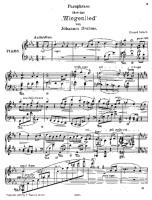
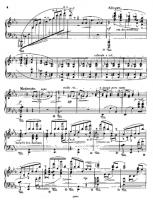
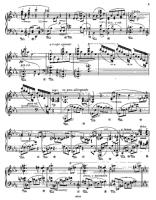
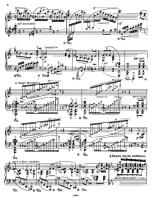
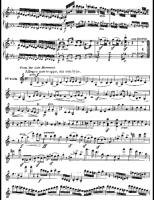
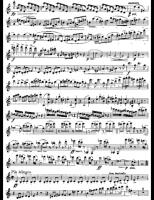
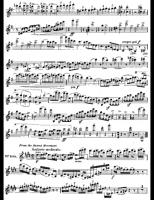
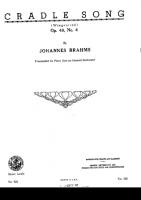
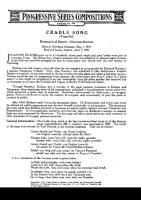
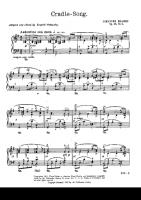
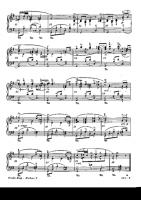
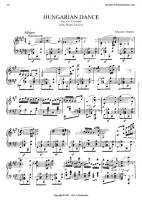
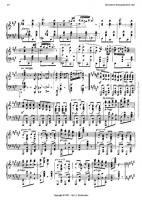
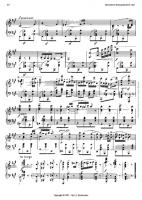
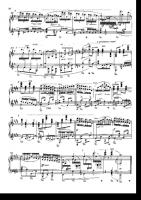
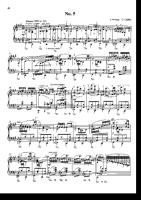
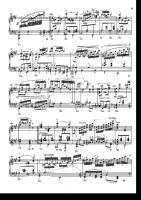
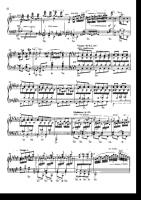
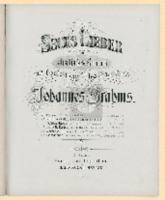
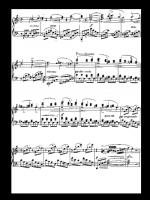
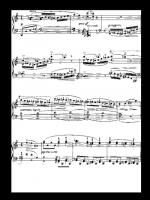
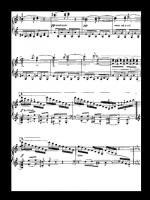
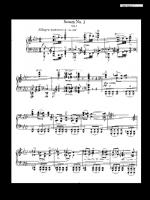
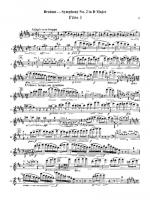
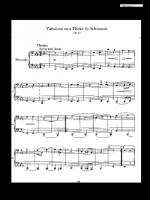
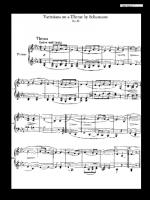
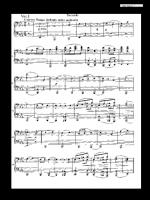
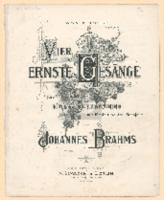
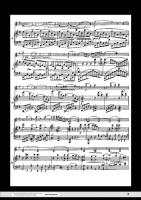
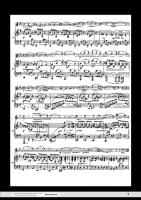
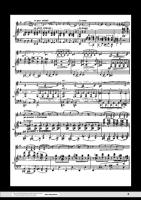
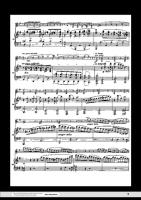
Johannes Brahms (May 7, 1833 â April 3, 1897) was a German composer of the Romantic period. He was born in Hamburg and in his later years he settled in Vienna, Austria.
Brahms maintained a Classical sense of form and order in his works â in contrast to the opulence of the music of many of his contemporaries. Thus many admirers (though not necessarily Brahms himself) saw him as the champion of traditional forms and "pure music," as opposed to the New German embrace of program music.
Brahms venerated Beethoven: in the composer's home, a marble bust of Beethoven looked down on the spot where he composed, and some passages in his works are reminiscent of Beethoven's style. The main theme of the finale of Brahms's First Symphony is reminiscent of the main theme of the finale of Beethoven's Ninth, and when this resemblance was pointed out to Brahms he replied that any ass â jeder Esel â could see that.
Ein deutsches Requiem was partially inspired by his mother's death in 1865, but also incorporates material from a Symphony he started in 1854, but abandoned following Schumann's suicide attempt. He once wrote that the Requiem "belonged to Schumann". The first movement of this abandoned Symphony was re-worked as the first movement of the First Piano Concerto.
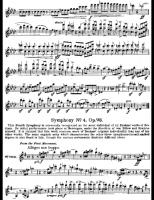
Brahms also loved the Classical composers Mozart and Haydn. He collected first editions and autographs of their works, and edited performing editions. He also studied the music of pre-classical composers, including Giovanni Gabrieli, Johann Adolph Hasse, Heinrich Schütz and especially Johann Sebastian Bach. His friends included leading musicologists, and with Friedrich Chrysander he edited an edition of the works of François Couperin. He looked to older music for inspiration in the arts of strict counterpoint; the themes of some of his works are modelled on Baroque sources, such as Bach's The Art of Fugue in the fugal finale of Cello Sonata No. 1, or the same composer's Cantata No. 150 in the passacaglia theme of the Fourth Symphony's finale.
Brahms maintained a Classical sense of form and order in his works â in contrast to the opulence of the music of many of his contemporaries. Thus many admirers (though not necessarily Brahms himself) saw him as the champion of traditional forms and "pure music," as opposed to the New German embrace of program music.
Brahms venerated Beethoven: in the composer's home, a marble bust of Beethoven looked down on the spot where he composed, and some passages in his works are reminiscent of Beethoven's style. The main theme of the finale of Brahms's First Symphony is reminiscent of the main theme of the finale of Beethoven's Ninth, and when this resemblance was pointed out to Brahms he replied that any ass â jeder Esel â could see that.
Ein deutsches Requiem was partially inspired by his mother's death in 1865, but also incorporates material from a Symphony he started in 1854, but abandoned following Schumann's suicide attempt. He once wrote that the Requiem "belonged to Schumann". The first movement of this abandoned Symphony was re-worked as the first movement of the First Piano Concerto.
Brahms also loved the Classical composers Mozart and Haydn. He collected first editions and autographs of their works, and edited performing editions. He also studied the music of pre-classical composers, including Giovanni Gabrieli, Johann Adolph Hasse, Heinrich Schütz and especially Johann Sebastian Bach. His friends included leading musicologists, and with Friedrich Chrysander he edited an edition of the works of François Couperin. He looked to older music for inspiration in the arts of strict counterpoint; the themes of some of his works are modelled on Baroque sources, such as Bach's The Art of Fugue in the fugal finale of Cello Sonata No. 1, or the same composer's Cantata No. 150 in the passacaglia theme of the Fourth Symphony's finale.
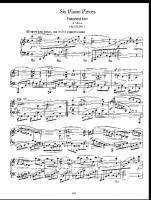
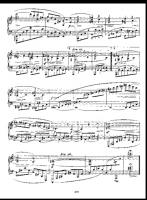
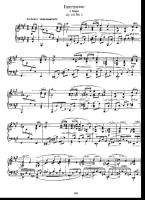
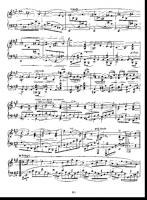
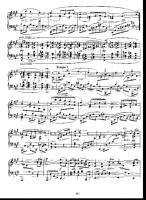

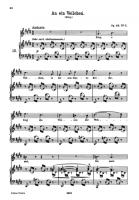
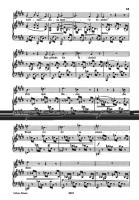
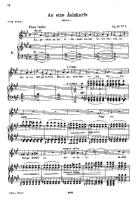
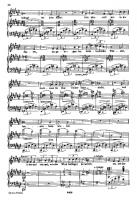
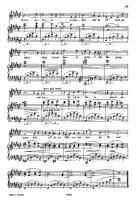
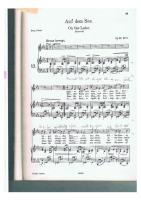
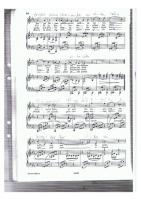
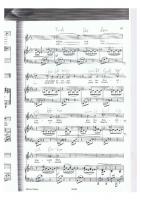
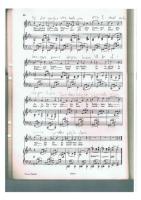
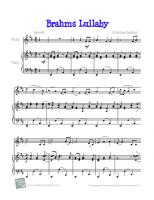
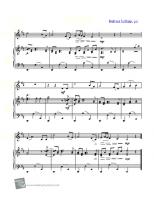
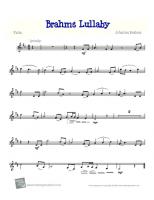
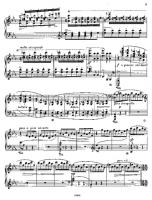
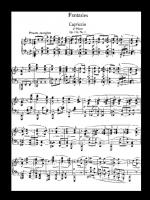
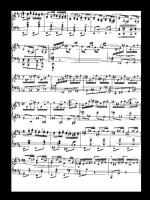
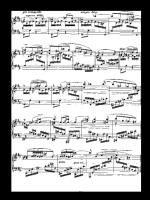
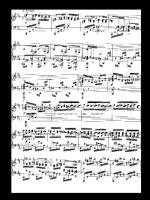
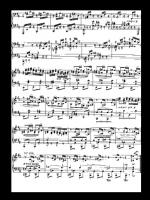
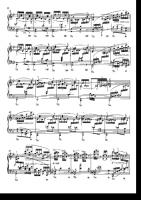
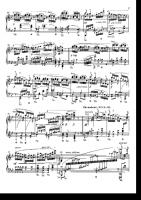
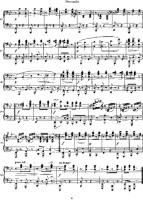
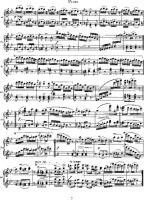
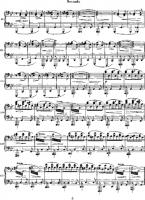
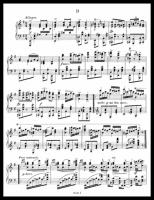
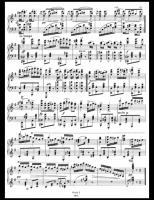
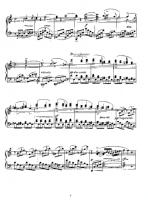
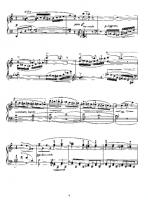
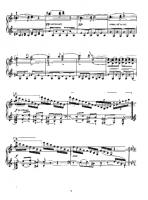
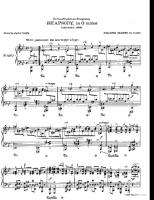
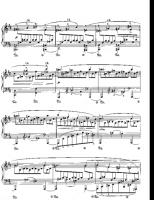
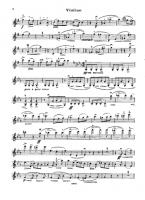
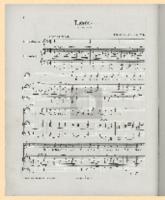
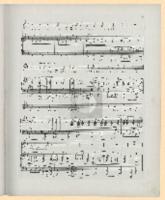
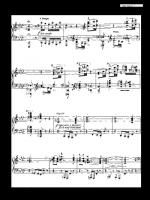
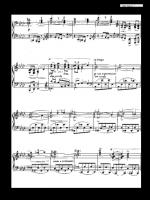
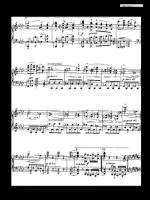
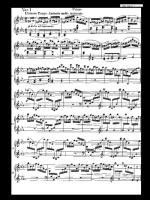
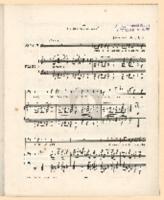
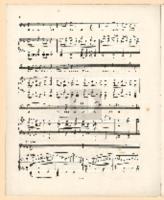
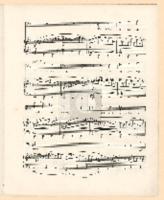
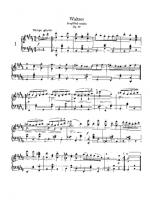
Piano
3
pages
130.02KB - 1526d ago
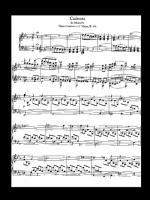
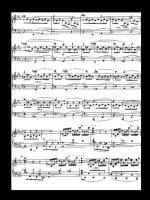
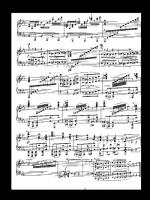
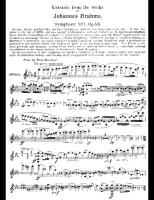
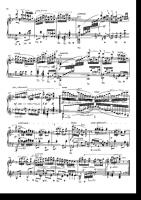
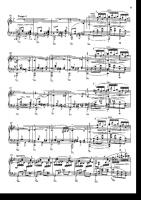
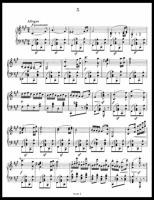
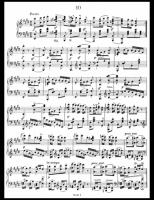
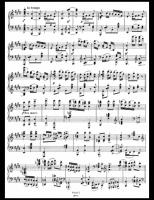
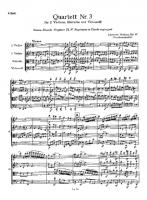
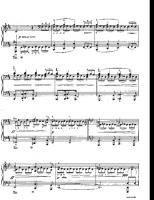
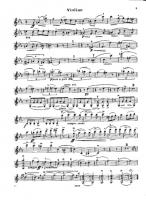
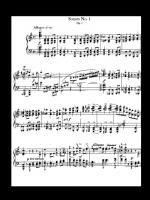
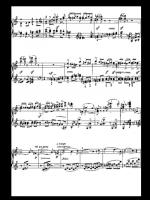
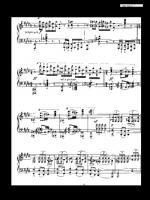
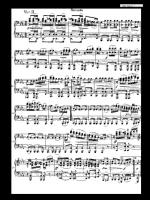
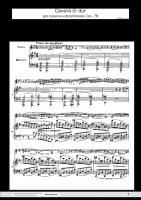
Piano
4
pages
178.31KB - 2451d ago


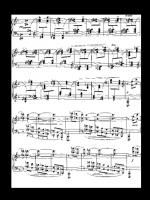
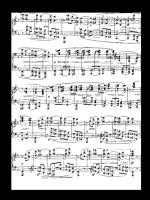
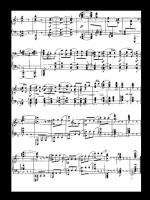
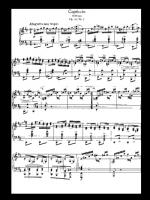
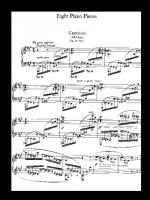


































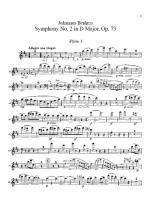
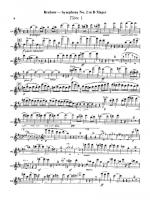
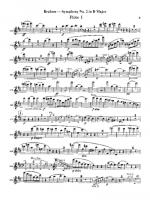
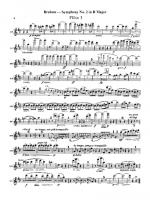
















Search for Free Sheet Music
You can make a search through the entire collection of sheets.
You can make a search through the entire collection of sheets.
Latest Artists
Zhang Xiao Hong
× 1
Bill Evans × 3
LeAnn Rimes × 1
Maxime Alkan × 1
Charles-Valentin Alkan × 1
Trinh Cong Son × 1
Super Mario Bros. × 1
Guilherme Schroeter × 1
Jeroen van Vliet × 1
Puccini × 1
Samual A. Ward × 1
Prestonwood Choir × 1
Silvain Guinnet × 1
Fanz Von SUPPÉ × 1
Burt Bacharach × 1
Delta Goodrem × 1
Bach × 19
Within Temptation × 1
Allesandro Grandi × 1
Koo Hye Sun × 1
Thos. S. Allen × 1
Henryk Wieniawski × 1
Johann Nepomuk Hummel × 1
Handel × 1
Jazz Standard × 1
Sun Ra × 1
John Cage × 1
Helene Segara × 1
Fito Paez × 1
Five for Fighting × 1
Porter Robinson × 1
New Japanesse Phillarmonic ... × 1
The Corrs × 1
Riz Ortolani × 1
Leonard Cohen × 2
Michael Jackson × 4
Evard Grieg × 1
Tchaikovsky × 4
Samuel Ljungblahd × 1
Yuki Kajiura × 2
William Baines × 1
Roget Pontbriand × 1
Bedrich Smetana × 2
Pierre Certon × 1
Bela Bartok × 1
Casino Royale × 1
Sammy Fain × 1
Thelonious Monk × 1
Cindy Lauper × 1
John Barry × 2
Bill Evans × 3
LeAnn Rimes × 1
Maxime Alkan × 1
Charles-Valentin Alkan × 1
Trinh Cong Son × 1
Super Mario Bros. × 1
Guilherme Schroeter × 1
Jeroen van Vliet × 1
Puccini × 1
Samual A. Ward × 1
Prestonwood Choir × 1
Silvain Guinnet × 1
Fanz Von SUPPÉ × 1
Burt Bacharach × 1
Delta Goodrem × 1
Bach × 19
Within Temptation × 1
Allesandro Grandi × 1
Koo Hye Sun × 1
Thos. S. Allen × 1
Henryk Wieniawski × 1
Johann Nepomuk Hummel × 1
Handel × 1
Jazz Standard × 1
Sun Ra × 1
John Cage × 1
Helene Segara × 1
Fito Paez × 1
Five for Fighting × 1
Porter Robinson × 1
New Japanesse Phillarmonic ... × 1
The Corrs × 1
Riz Ortolani × 1
Leonard Cohen × 2
Michael Jackson × 4
Evard Grieg × 1
Tchaikovsky × 4
Samuel Ljungblahd × 1
Yuki Kajiura × 2
William Baines × 1
Roget Pontbriand × 1
Bedrich Smetana × 2
Pierre Certon × 1
Bela Bartok × 1
Casino Royale × 1
Sammy Fain × 1
Thelonious Monk × 1
Cindy Lauper × 1
John Barry × 2