
Latest Sheets
Anonymous
Easy piano sheets to teach kids how to play piano.

Saint Saens
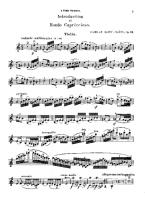
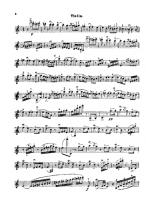
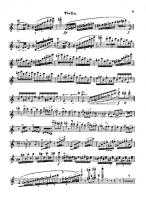
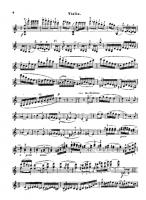
Charles-Camille Saint-Saëns (9 October 1835 – 16 December 1921) was a French composer, organist, conductor, and pianist, known especially for The Carnival of the Animals, Danse Macabre, Samson and Delilah, Havanaise, Introduction and Rondo capriccioso, and his Symphony No. 3 (Organ Symphony).
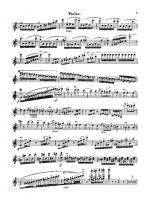
Hoobastank
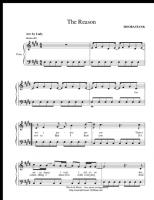
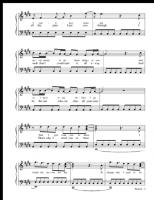
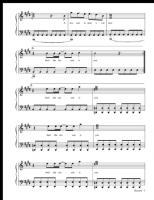
Hoobastank is an American alternative rock band best known for their 2004 hit "The Reason".
Hoobastank released their self-titled debut album in November 2001. The first single was "Crawling in the Dark" which was a breakthrough hit reaching #68 on the Billboard Hot 100, #3 on the Modern Rock chart, #7 on the Mainstream Rock chart and #1 on an MP3.com download chart in early 2002. The second single "Running Away" was even more successful reaching #44 on the Billboard Hot 100, #2 on the Modern Rock chart, #9 on the Mainstream Rock chart and #3 on the MP3.com download chart. The Hoobastank album went Platinum thanks to these hit singles and reached #25 on the Billboard 200 album charts and #1 on the Billboard Heatseeker chart.
Current members:
Doug Robb – Lead vocals and rhythm guitar
Dan Estrin – Lead guitar and backing vocals
Josh Moreau – Bass guitar
Chris Hesse – Drums and percussion
Hoobastank released their self-titled debut album in November 2001. The first single was "Crawling in the Dark" which was a breakthrough hit reaching #68 on the Billboard Hot 100, #3 on the Modern Rock chart, #7 on the Mainstream Rock chart and #1 on an MP3.com download chart in early 2002. The second single "Running Away" was even more successful reaching #44 on the Billboard Hot 100, #2 on the Modern Rock chart, #9 on the Mainstream Rock chart and #3 on the MP3.com download chart. The Hoobastank album went Platinum thanks to these hit singles and reached #25 on the Billboard 200 album charts and #1 on the Billboard Heatseeker chart.
Current members:
Doug Robb – Lead vocals and rhythm guitar
Dan Estrin – Lead guitar and backing vocals
Josh Moreau – Bass guitar
Chris Hesse – Drums and percussion
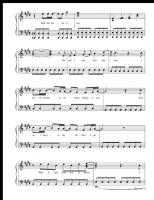
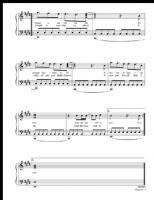
Brahms
Johannes Brahms (May 7, 1833 â April 3, 1897) was a German composer of the Romantic period. He was born in Hamburg and in his later years he settled in Vienna, Austria.
Brahms maintained a Classical sense of form and order in his works â in contrast to the opulence of the music of many of his contemporaries. Thus many admirers (though not necessarily Brahms himself) saw him as the champion of traditional forms and "pure music," as opposed to the New German embrace of program music.
Brahms venerated Beethoven: in the composer's home, a marble bust of Beethoven looked down on the spot where he composed, and some passages in his works are reminiscent of Beethoven's style. The main theme of the finale of Brahms's First Symphony is reminiscent of the main theme of the finale of Beethoven's Ninth, and when this resemblance was pointed out to Brahms he replied that any ass â jeder Esel â could see that.
Ein deutsches Requiem was partially inspired by his mother's death in 1865, but also incorporates material from a Symphony he started in 1854, but abandoned following Schumann's suicide attempt. He once wrote that the Requiem "belonged to Schumann". The first movement of this abandoned Symphony was re-worked as the first movement of the First Piano Concerto.
Brahms also loved the Classical composers Mozart and Haydn. He collected first editions and autographs of their works, and edited performing editions. He also studied the music of pre-classical composers, including Giovanni Gabrieli, Johann Adolph Hasse, Heinrich Schütz and especially Johann Sebastian Bach. His friends included leading musicologists, and with Friedrich Chrysander he edited an edition of the works of François Couperin. He looked to older music for inspiration in the arts of strict counterpoint; the themes of some of his works are modelled on Baroque sources, such as Bach's The Art of Fugue in the fugal finale of Cello Sonata No. 1, or the same composer's Cantata No. 150 in the passacaglia theme of the Fourth Symphony's finale.
Brahms maintained a Classical sense of form and order in his works â in contrast to the opulence of the music of many of his contemporaries. Thus many admirers (though not necessarily Brahms himself) saw him as the champion of traditional forms and "pure music," as opposed to the New German embrace of program music.
Brahms venerated Beethoven: in the composer's home, a marble bust of Beethoven looked down on the spot where he composed, and some passages in his works are reminiscent of Beethoven's style. The main theme of the finale of Brahms's First Symphony is reminiscent of the main theme of the finale of Beethoven's Ninth, and when this resemblance was pointed out to Brahms he replied that any ass â jeder Esel â could see that.
Ein deutsches Requiem was partially inspired by his mother's death in 1865, but also incorporates material from a Symphony he started in 1854, but abandoned following Schumann's suicide attempt. He once wrote that the Requiem "belonged to Schumann". The first movement of this abandoned Symphony was re-worked as the first movement of the First Piano Concerto.
Brahms also loved the Classical composers Mozart and Haydn. He collected first editions and autographs of their works, and edited performing editions. He also studied the music of pre-classical composers, including Giovanni Gabrieli, Johann Adolph Hasse, Heinrich Schütz and especially Johann Sebastian Bach. His friends included leading musicologists, and with Friedrich Chrysander he edited an edition of the works of François Couperin. He looked to older music for inspiration in the arts of strict counterpoint; the themes of some of his works are modelled on Baroque sources, such as Bach's The Art of Fugue in the fugal finale of Cello Sonata No. 1, or the same composer's Cantata No. 150 in the passacaglia theme of the Fourth Symphony's finale.
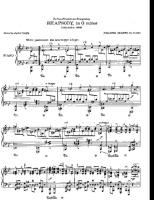
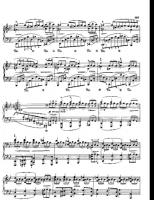
Bud Powell
Earl Rudolph "Bud" Powell (September 27, 1924 – July 31, 1966) was an American jazz pianist. Though Thelonious Monk was a close friend and influence, his greatest piano influence was Art Tatum.
Along with Charlie Parker, Monk, and Dizzy Gillespie, Powell was a leading figure in the development of modern jazz, or bebop. His virtuosity led many to call him the Charlie Parker of the piano. Powell was also a composer, and many jazz critics credit his works and his playing as having "greatly extended the range of jazz harmony."
Along with Charlie Parker, Monk, and Dizzy Gillespie, Powell was a leading figure in the development of modern jazz, or bebop. His virtuosity led many to call him the Charlie Parker of the piano. Powell was also a composer, and many jazz critics credit his works and his playing as having "greatly extended the range of jazz harmony."
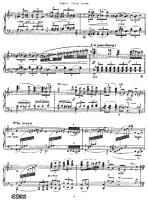
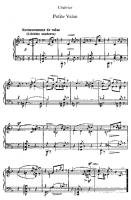
Chabrier
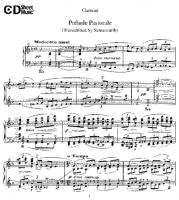
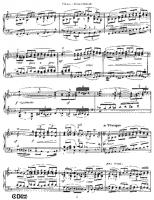
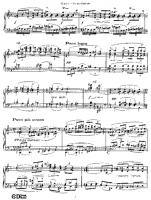
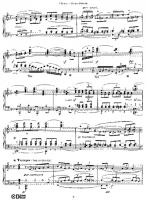
Alexis Emmanuel Chabrier (pronounced: ; January 18, 1841 – September 13, 1894) was a French Romantic composer and pianist. Although known primarily for two of his orchestral works, España and Joyeuse marche, he left an important corpus of operas (including the increasingly popular L'étoile), songs, and piano music as well. These works, though small in number, are of very high quality, and he was admired by composers as diverse as Debussy, Ravel, Richard Strauss, Satie, Schmitt, Stravinsky, and the group of composers known as Les six. Stravinsky alluded to España in his ballet Petrushka, Ravel wrote that the opening bars of Le roi malgré lui changed the course of harmony in France, Poulenc wrote a biography of the composer, and Richard Strauss conducted the first staged performance of Chabrier's incomplete opera Briséïs.
Chabrier was also associated with some of the leading writers and painters of his time. He was especially friendly with the painters Claude Monet and Édouard Manet, and collected Impressionist paintings before Impressionism became fashionable. A number of such paintings from his personal collection are now housed in some of the world's leading art museums.
Chabrier was also associated with some of the leading writers and painters of his time. He was especially friendly with the painters Claude Monet and Édouard Manet, and collected Impressionist paintings before Impressionism became fashionable. A number of such paintings from his personal collection are now housed in some of the world's leading art museums.
Chick Corea
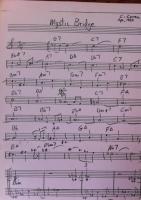
Armando Anthony "Chick" Corea (born June 12, 1941) is a multiple Grammy Award-winning American jazz pianist, keyboardist, drummer, and composer.
He is known for his work during the 1970s in the genre of jazz fusion. He participated in the birth of the electric fusion movement as a member of Miles Davis' band in the 1960s, and in the 1970s formed Return to Forever.
He continued to pursue other collaborations and explore various musical styles throughout the 1980s and 1990s. He is also known for promoting Scientology.
He is known for his work during the 1970s in the genre of jazz fusion. He participated in the birth of the electric fusion movement as a member of Miles Davis' band in the 1960s, and in the 1970s formed Return to Forever.
He continued to pursue other collaborations and explore various musical styles throughout the 1980s and 1990s. He is also known for promoting Scientology.
Fariborz Lachini
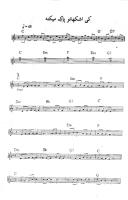
He started his career in Iran writing music for children, creating "Avaz Faslha va Rangha" at the age of 18 which caught the attention of royal family of the time. The title of national Iranian TV's children programming for more than two decades, was one of his earlier works. Before Iran's Islamic Revolution, he also created music for some of Iran's pop icons.
After the Islamic Revolution he moved to Europe to study Musicology in the Universite de Paris – Sorbonne. It was then that his music became influenced by the European styles. He returned home and created one of the best loved contemporary solo piano albums of all in Iran with a unique style, a combination of Persian and European Romantic styles called "Paeez Talaee", also known as Golden Autumn, which has been the number-one seller for years in Iran and has attracted fans from all around the world
After the Islamic Revolution he moved to Europe to study Musicology in the Universite de Paris – Sorbonne. It was then that his music became influenced by the European styles. He returned home and created one of the best loved contemporary solo piano albums of all in Iran with a unique style, a combination of Persian and European Romantic styles called "Paeez Talaee", also known as Golden Autumn, which has been the number-one seller for years in Iran and has attracted fans from all around the world
Adolphe Adam
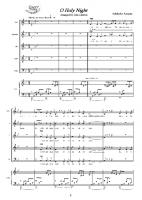
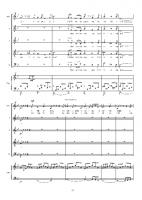
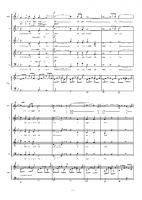
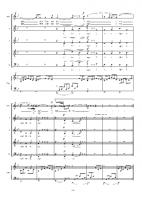
Adolphe Charles Adam (French: ; 24 July 1803 – 3 May 1856) was a French composer and music critic. A prolific composer of operas and ballets, he is best known today for his ballets Giselle (1841) and Le corsaire (1856, his last work), his operas Le postillon de Lonjumeau (1836), Le toréador (1849) and Si j'étais roi (1852) and his Christmas carol Minuit, chrétiens! (1844), later set to different English lyrics and widely sung as "O Holy Night" (1847). Adam was a noted teacher, who taught Delibes and other influential composers.
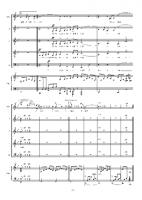
Traditional
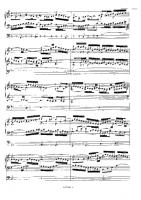
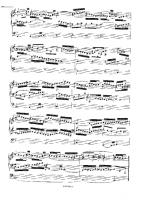
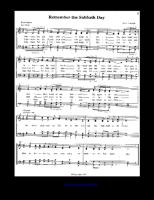
traditional music





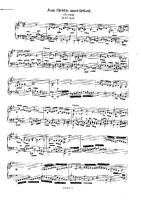
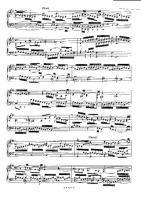
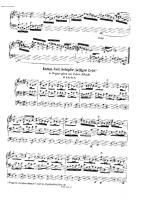
Schubert
Franz Peter Schubert (January 31, 1797 – November 19, 1828) was an Austrian composer. He wrote some 600 lieder, nine symphonies (including the famous "Unfinished Symphony"), liturgical music, operas, and a large body of chamber and solo piano music. He is particularly noted for his original melodic and harmonic writing.
While Schubert had a close circle of friends and associates who admired his work (including his teacher Antonio Salieri, and the prominent singer Johann Michael Vogl), wider appreciation of his music during his lifetime was limited at best. He was never able to secure adequate permanent employment, and for most of his career he relied on the support of friends and family. Interest in Schubert's work increased dramatically in the decades following his death and he is now widely considered to be one of the greatest composers in the Western tradition.
While he was clearly influenced by the Classical sonata forms of Beethoven and Mozart (his early works, among them notably the 5th Symphony, are particularly Mozartean), his formal structures and his developments tend to give the impression more of melodic development than of harmonic drama. This combination of Classical form and long-breathed Romantic melody sometimes lends them a discursive style: his 9th Symphony was described by Robert Schumann as running to "heavenly lengths". His harmonic innovations include movements in which the first section ends in the key of the subdominant rather than the dominant (as in the last movement of the Trout Quintet). Schubert's practice here was a forerunner of the common Romantic technique of relaxing, rather than raising, tension in the middle of a movement, with final resolution postponed to the very end.
While Schubert had a close circle of friends and associates who admired his work (including his teacher Antonio Salieri, and the prominent singer Johann Michael Vogl), wider appreciation of his music during his lifetime was limited at best. He was never able to secure adequate permanent employment, and for most of his career he relied on the support of friends and family. Interest in Schubert's work increased dramatically in the decades following his death and he is now widely considered to be one of the greatest composers in the Western tradition.
While he was clearly influenced by the Classical sonata forms of Beethoven and Mozart (his early works, among them notably the 5th Symphony, are particularly Mozartean), his formal structures and his developments tend to give the impression more of melodic development than of harmonic drama. This combination of Classical form and long-breathed Romantic melody sometimes lends them a discursive style: his 9th Symphony was described by Robert Schumann as running to "heavenly lengths". His harmonic innovations include movements in which the first section ends in the key of the subdominant rather than the dominant (as in the last movement of the Trout Quintet). Schubert's practice here was a forerunner of the common Romantic technique of relaxing, rather than raising, tension in the middle of a movement, with final resolution postponed to the very end.

James Horner
James Roy Horner (born August 14, 1953) is an award winning American composer, orchestrator and conductor of orchestral and film music. He is noted for the integration of choral and electronic elements in many of his film scores, and for frequent use of Celtic musical elements.
In a career that spans over three decades, Horner has composed several of Hollywood's most famous film scores. He is probably best known for his critically acclaimed works on the 1997 film Titanic, which remains today the best selling film soundtrack of all time. Other popular works include Braveheart, Apollo 13, The Mask of Zorro, and The Legend of Zorro.
Horner is a two time Academy Award winner, and has received a total of 11 nominations. He has won numerous other awards, including the Golden Globe Award and the Grammy Award.
In a career that spans over three decades, Horner has composed several of Hollywood's most famous film scores. He is probably best known for his critically acclaimed works on the 1997 film Titanic, which remains today the best selling film soundtrack of all time. Other popular works include Braveheart, Apollo 13, The Mask of Zorro, and The Legend of Zorro.
Horner is a two time Academy Award winner, and has received a total of 11 nominations. He has won numerous other awards, including the Golden Globe Award and the Grammy Award.





The Truman Show
He doesn't know it, but everything in Truman Burbank's (Jim Carrey) life is part of a massive TV set. Executive producer Christof (Ed Harris) orchestrates "The Truman Show," a live broadcast of Truman's every move captured by hidden cameras. Cristof tries to control Truman's mind, even removing his …


Shostakovich
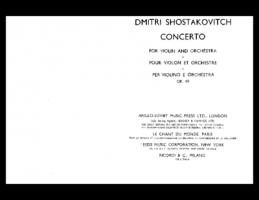
Dmitri Dmitriyevich Shostakovich (25 September 1906 – 9 August 1975) was a Soviet Russian composer and one of the most celebrated composers of the 20th century.
Shostakovich achieved fame in the Soviet Union under the patronage of Leon Trotsky's chief of staff Mikhail Tukhachevsky, but later had a complex and difficult relationship with the Stalinist bureaucracy. In 1936, the government, most probably under orders from Stalin, harshly criticized his opera Lady Macbeth of the Mtsensk District, causing him to withdraw the Fourth Symphony during its rehearsal stages. Shostakovich's music was officially denounced twice, in 1936 and 1948, and was periodically banned. Nevertheless, he also received accolades and state awards and served in the Supreme Soviet of the RSFSR. Despite the official controversy, his works were popular and well received.
Shostakovich achieved fame in the Soviet Union under the patronage of Leon Trotsky's chief of staff Mikhail Tukhachevsky, but later had a complex and difficult relationship with the Stalinist bureaucracy. In 1936, the government, most probably under orders from Stalin, harshly criticized his opera Lady Macbeth of the Mtsensk District, causing him to withdraw the Fourth Symphony during its rehearsal stages. Shostakovich's music was officially denounced twice, in 1936 and 1948, and was periodically banned. Nevertheless, he also received accolades and state awards and served in the Supreme Soviet of the RSFSR. Despite the official controversy, his works were popular and well received.
J. F. Wade
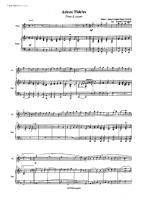
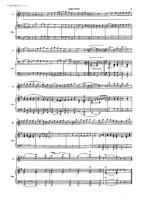
John Francis Wade was an English hymnist who is sometimes credited with writing and composing the hymn "Adeste Fideles", even though the actual authorship of the hymn remains uncertain. The earliest copies of the hymn all bear his signature.

Gus Kahn
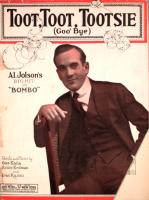
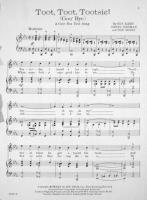
Gustav Gerson Kahn was an American lyricist who contributed a number of songs to the Great American Songbook, including "Pretty Baby", "Ain't We Got Fun?", "Carolina in the Morning", "Toot, Toot, ...
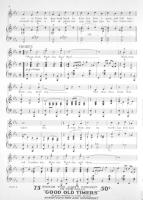
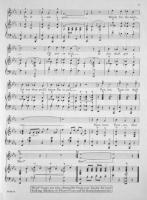
Juan García de Salazar
Juan García de Salazar (12 February 1639 (baptized) – 8 July 1710) was a Spanish baroque composer best remembered for his choral works in the stile antico, though a few Spanish works in a more modern style have also survived.Salazar was born in Tuesta, Álava. He was educated in the Burgos cathedral choir and became maestro de capilla at Toro (1661), El Burgo de Osma (1663) and finally at Zamora in 1668. He died in Zamora, Spain.

Huub de Lange
Huub de Lange was born in 1955, in Groningen, the Netherlands. He lives in Vinkeveen, a village near Amsterdam. Except for a Stabat Mater, his recent works include a Requiem, a Magnificat, a Missa Brevis, as well as choral partsongs (both in English and in German). You can find a list of his choral works at





John Farnham
John Peter Farnham AO (born 1 July 1949) is a British-born Australian singer. Farnham was a teen pop idol from 1967 until 1979, billed then as Johnny Farnham, but has since forged a career as an adult contemporary singer. His career has mostly been as a solo artist, although he replaced Glenn Shorrock as lead singer of Little River Band from 1982 to 1985.In September 1986, his solo single "You're the Voice" peaked at No. 1 on the Australian singles charts. The associated album, Whispering Jack, held the No. 1 position for a total of 25 weeks and is the 2nd-highest-selling album in Australian history. Both the single and the album had top-ten success internationally, including No. 1 in Sweden.

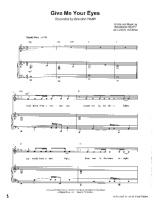
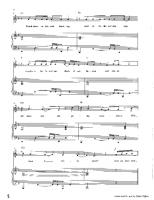
Brandon Heath
Brandon Heath Knell is an American contemporary Christian musician, singer, and songwriter from Nashville, Tennessee. He has released six studio albums: Don't Get Comfortable, What If We, Leaving Eden, Blue Mountain, No Turning Back, and Faith Hope Love Repeat.

Mika
Mica Penniman (born 18 August 1983), known as Mika, is a Lebanese-born, London-based, Grammy-nominated and BRIT Award-winning singer-songwriter, who has a recording contract with Casablanca Records and Universal Music. He rose to fame around the end of 2006 and the start of 2007. His birth name is Michael Holbrook Penniman.
Paolo Tosti
Sir Paolo Tosti (April 9, 1846 – December 2, 1916) was an Italian, later British, composer and music teacher.
Tosti's songs are characterized by natural, singable melodies and sweet sentimentality. He is also known for his editions of Italian folk songs entitled "Canti popoliari Abruzzesi". Tosti is remembered for his light, expressive songs. His style became very popular during the Belle Époque and is often known as salon music. His most famous works are Serenata (lyrics: Cesareo), Goodbye (lyrics: George J. Whyte Mellville) which is sometimes performed in Italian as Addio (lyrics: Rizzelli), and the popular Neapolitan song, Marechiare, the lyrics of which are by the prominent Neapolitan dialect poet, Salvatore Di Giacomo.
As a composer, Tosti is exceptional. Since the beginning of the recording era, numerous recording artists specializing in classical Italian repertoire have recorded Tosti songs, yet Tosti never composed opera. Notable examples on recording include Alessandro Moreschi (the only castrato who ever recorded) singing "Ideale", Nellie Melba singing "Mattinata" and Jussi Björling singing "L'alba separa dalla luce l'ombra".
Tosti's songs are characterized by natural, singable melodies and sweet sentimentality. He is also known for his editions of Italian folk songs entitled "Canti popoliari Abruzzesi". Tosti is remembered for his light, expressive songs. His style became very popular during the Belle Époque and is often known as salon music. His most famous works are Serenata (lyrics: Cesareo), Goodbye (lyrics: George J. Whyte Mellville) which is sometimes performed in Italian as Addio (lyrics: Rizzelli), and the popular Neapolitan song, Marechiare, the lyrics of which are by the prominent Neapolitan dialect poet, Salvatore Di Giacomo.
As a composer, Tosti is exceptional. Since the beginning of the recording era, numerous recording artists specializing in classical Italian repertoire have recorded Tosti songs, yet Tosti never composed opera. Notable examples on recording include Alessandro Moreschi (the only castrato who ever recorded) singing "Ideale", Nellie Melba singing "Mattinata" and Jussi Björling singing "L'alba separa dalla luce l'ombra".
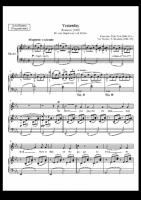
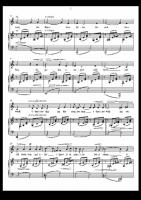
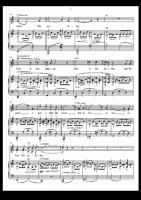
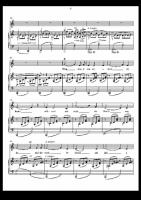
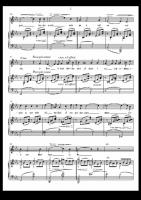
Saint-Preux
Saint-Preux (born 1950) is a French composer of contemporary classical music which also combines elements from popular music and electronic music. His real name is Christian Saint-Preux Langlade. By 1968 he had already released several 45 rpm recordings of his compositions, including Une étrange musique (A Strange Music) which reached #71 on the French charts that year. In August 1969, he took part in Poland's Sopot International Song Festival with his first major composition La valse de l'enfance (The Waltz of Youth). The song was Luxembourg's entry in the festival and was sung by Henri Seroka with Saint-Preux conducting the symphony orchestra. The song won the Grand Prix de la Presse award at the festival and was released in that same year on Seroka (Festival FX 1583) and as a single on the EMI/Odeon label. While in Poland he composed what was to become his biggest hit, Concerto pour une Voix (Concerto for One Voice).


Koji Kondo
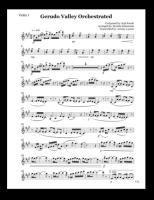
Koji Kondo (近藤浩治 Kondō Kōji?, born August 13, 1960) is a Japanese video game composer and sound director who has been employed at Nintendo since 1984. He is best known for scoring numerous titles in the Mario and The Legend of Zelda series.
Sister Act
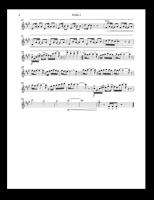
Sister Act is a 1992 American comedy film released by Touchstone Pictures. Directed by Emile Ardolino, it features musical arrangements by Marc Shaiman and stars Whoopi Goldberg as a Reno lounge singer who has been put under protective custody in a San Francisco convent and has to pretend to be a nun when a mob boss puts her on his hit list. Also in the cast are Maggie Smith, Kathy Najimy, Wendy Makkena, Mary Wickes, and Harvey Keitel. The film is #83 on Bravo's The 100 Funniest Movies list.
The film was followed by a 1993 sequel, Sister Act 2: Back in the Habit. It also inspired a musical stage version that premiered at the Pasadena Playhouse in Pasadena, California in 2006.
The film was followed by a 1993 sequel, Sister Act 2: Back in the Habit. It also inspired a musical stage version that premiered at the Pasadena Playhouse in Pasadena, California in 2006.
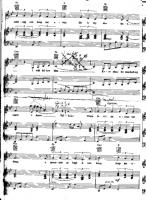
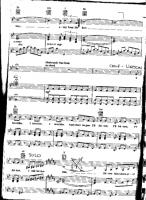
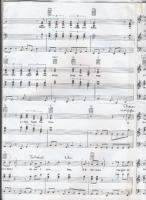
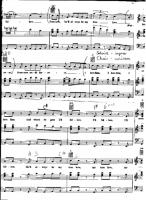
Eduardo P. Hontiveros
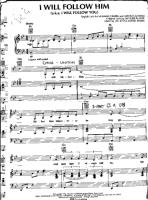
Rev Fr Eduardo Pardo Hontiveros, SJ PMM, also known as "Fr. Honti", was a Filipino Jesuit composer and musician, best known as an innovative hymnwriter behind popular Philippine liturgical music.


Carly Simon
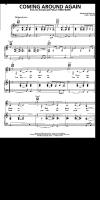
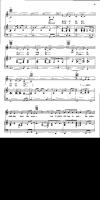
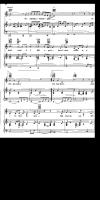
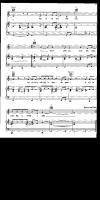
Carly Elisabeth Simon (born June 25, 1945) is an American singer-songwriter, musician, and children's author. She rose to fame in the 1970s with a string of hit records; her 13 Top 40 hits include "You're So Vain", "Nobody Does It Better", and "Coming Around Again". Her 1988 song "Let the River Run" was the first to win a Grammy Award, an Academy Award, and a Golden Globe Award for a song written and performed by a single artist. She was inducted into the Songwriters Hall of Fame in 1994.
The former wife of another notable singer-songwriter, James Taylor, she has two children, Sarah "Sally" Maria Taylor and Ben Taylor, who are also musicians.
The former wife of another notable singer-songwriter, James Taylor, she has two children, Sarah "Sally" Maria Taylor and Ben Taylor, who are also musicians.
Felix Mendelssohn
Jakob Ludwig Felix Mendelssohn Bartholdy, born, and generally known in English-speaking countries, as Felix Mendelssohn (February 3, 1809 – November 4, 1847) was a German composer, pianist, organist and conductor of the early Romantic period.
The grandson of the philosopher Moses Mendelssohn, he was born into a notable Jewish family, although he himself was brought up initially without religion, and later as a Lutheran. He was recognized early as a musical prodigy, but his parents were cautious and did not seek to capitalise on his abilities. Indeed his father was disinclined to allow Felix to follow a musical career until it became clear that he intended to seriously dedicate himself to it.
Early success in Germany was followed by travel throughout Europe; Mendelssohn was particularly well received in England as a composer, conductor and soloist, and his ten visits there, during which many of his major works were premiered, form an important part of his adult career. His essentially conservative musical tastes however set him apart from many of his more adventurous musical contemporaries such as Liszt, Wagner and Berlioz. The Conservatory he founded at Leipzig became a bastion of this anti-radical outlook.
Mendelssohn's work includes symphonies, concerti, oratorios, piano and chamber music. He also had an important role in the revival of interest in the music of Johann Sebastian Bach. After a long period of relative denigration due to changing musical tastes and antisemitism in the late 19th and early 20th centuries, his creative originality is now being recognized and re-evaluated. He is now among the most popular composers of the Romantic era.
The grandson of the philosopher Moses Mendelssohn, he was born into a notable Jewish family, although he himself was brought up initially without religion, and later as a Lutheran. He was recognized early as a musical prodigy, but his parents were cautious and did not seek to capitalise on his abilities. Indeed his father was disinclined to allow Felix to follow a musical career until it became clear that he intended to seriously dedicate himself to it.
Early success in Germany was followed by travel throughout Europe; Mendelssohn was particularly well received in England as a composer, conductor and soloist, and his ten visits there, during which many of his major works were premiered, form an important part of his adult career. His essentially conservative musical tastes however set him apart from many of his more adventurous musical contemporaries such as Liszt, Wagner and Berlioz. The Conservatory he founded at Leipzig became a bastion of this anti-radical outlook.
Mendelssohn's work includes symphonies, concerti, oratorios, piano and chamber music. He also had an important role in the revival of interest in the music of Johann Sebastian Bach. After a long period of relative denigration due to changing musical tastes and antisemitism in the late 19th and early 20th centuries, his creative originality is now being recognized and re-evaluated. He is now among the most popular composers of the Romantic era.





Hans Zimmer
Hans Florian Zimmer (born September 12, 1957) is a German film score composer and music producer. He has composed music for over 100 films, including Hollywood blockbusters such as the Pirates of the Caribbean series, Gladiator, The Lion King, The Da Vinci Code and The Dark Knight.
Zimmer spent the early part of his career in the United Kingdom before moving to the United States. He is the head of the film music division at DreamWorks studios, and works with other composers through the company which he founded, Remote Control Productions. His work is notable for integrating electronic music sounds with traditional orchestral arrangements.
Zimmer spent the early part of his career in the United Kingdom before moving to the United States. He is the head of the film music division at DreamWorks studios, and works with other composers through the company which he founded, Remote Control Productions. His work is notable for integrating electronic music sounds with traditional orchestral arrangements.

Honegger
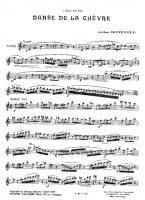
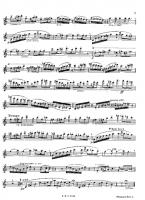
Arthur Honegger (French: ; 10 March 1892 – 27 November 1955) was a Swiss composer, who was born in France and lived a large part of his life in Paris. He was a member of Les Six. His most frequently performed work is probably the orchestral work Pacific 231, which was inspired by the sound of a steam locomotive.
Hermeto Pascoal
Hermeto Pascoal (born June 22, 1936) is a Brazilian composer and multi-instrumentalist. He was born in Lagoa da Canoa, Alagoas, Brazil. Pascoal is a significant figure in the history of Brazilian music, mainly known for his abilities in orchestration and improvisation, as well as being a record producer and contributor to many Brazilian and international albums.


Harmen Fraanje
Harmen Fraanje (born 23 January 1976 in Roosendaal, Netherlands) is a Dutch jazz pianist and composer. He currently lives in Amsterdam.Pianist and composer Harmen Fraanje was born in Roosendaal, The Netherlands in 1976. As a teenager he found a lot of inspiration during his weekly meetings with his piano teacher Frank Jansen, his art teacher Frans Stohr and blues guitarist Ralph de Jongh.During his study Piano Jazz and Improvised Music at the conservatories of Tilburg and Utrecht (teachers Willem Kühne and Bert van den Brink) Harmen was recognized as being a versatile pianist by musicians like trumpeter Eric Vloeimans and saxophonist Mete Erker, who both asked Harmen to join their groups.

Dizzy Gillespie
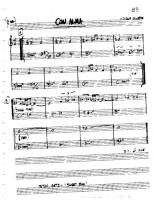
John Birks "Dizzy" Gillespie (pronounced /ɡɨˈlɛspi/; October 21, 1917 – January 6, 1993) was an American jazz trumpet player, bandleader, singer, and composer dubbed "the sound of surprise".
Together with Charlie Parker, he was a major figure in the development of bebop and modern jazz. He taught and influenced many other musicians, including trumpeters Miles Davis, Fats Navarro, Clifford Brown, Arturo Sandoval, Lee Morgan, Jon Faddis and Chuck Mangione.
Allmusic's Scott Yanow wrote that "Dizzy Gillespie's contributions to jazz were huge. One of the greatest jazz trumpeters of all time (some would say the best), Gillespie was such a complex player that his contemporaries ended up copying Miles Davis and Fats Navarro instead, and it was not until Jon Faddis's emergence in the 1970s that Dizzy's style was successfully recreated . . . Arguably Gillespie is remembered, by both critics and fans alike, as one of the greatest jazz trumpeters of all time.
In addition to featuring in the epochal moments in bebop, he was instrumental in founding Afro-Cuban jazz, the modern jazz version of what early-jazz pioneer Jelly Roll Morton referred to as the "Spanish Tinge". Gillespie was a trumpet virtuoso and gifted improviser, building on the virtuoso style of Roy Eldridge but adding layers of harmonic complexity previously unknown in jazz. Dizzy's beret and horn-rimmed spectacles, his scat singing, his bent horn, pouched cheeks and his light-hearted personality were essential in popularizing bebop.
Together with Charlie Parker, he was a major figure in the development of bebop and modern jazz. He taught and influenced many other musicians, including trumpeters Miles Davis, Fats Navarro, Clifford Brown, Arturo Sandoval, Lee Morgan, Jon Faddis and Chuck Mangione.
Allmusic's Scott Yanow wrote that "Dizzy Gillespie's contributions to jazz were huge. One of the greatest jazz trumpeters of all time (some would say the best), Gillespie was such a complex player that his contemporaries ended up copying Miles Davis and Fats Navarro instead, and it was not until Jon Faddis's emergence in the 1970s that Dizzy's style was successfully recreated . . . Arguably Gillespie is remembered, by both critics and fans alike, as one of the greatest jazz trumpeters of all time.
In addition to featuring in the epochal moments in bebop, he was instrumental in founding Afro-Cuban jazz, the modern jazz version of what early-jazz pioneer Jelly Roll Morton referred to as the "Spanish Tinge". Gillespie was a trumpet virtuoso and gifted improviser, building on the virtuoso style of Roy Eldridge but adding layers of harmonic complexity previously unknown in jazz. Dizzy's beret and horn-rimmed spectacles, his scat singing, his bent horn, pouched cheeks and his light-hearted personality were essential in popularizing bebop.
Chopin
Frédéric Chopin (1 March 1810 – 17 October 1849) was a Polish composer and virtuoso pianist of the Romantic period. He is widely regarded as the greatest Polish composer, and ranks as one of music's greatest tone poets.
He was born in the village of Żelazowa Wola, in the Duchy of Warsaw, to a Polish mother and French-expatriate father, and in his early life was regarded as a child-prodigy pianist. In November 1830, at the age of 20, Chopin went abroad; following the suppression of the Polish November Uprising of 1830–31, he became one of many expatriates of the Polish "Great Emigration."
In Paris, he made a comfortable living as a composer and piano teacher, while giving few public performances. A Polish patriot,
Chopin's extant compositions were written primarily for the piano as a solo instrument. Though technically demanding, Chopin's style emphasizes nuance and expressive depth rather than virtuosity. Chopin invented musical forms such as the ballade and was responsible for major innovations in forms such as the piano sonata, waltz, nocturne, étude, impromptu and prelude. His works are mainstays of Romanticism in 19th-century classical music.
He was born in the village of Żelazowa Wola, in the Duchy of Warsaw, to a Polish mother and French-expatriate father, and in his early life was regarded as a child-prodigy pianist. In November 1830, at the age of 20, Chopin went abroad; following the suppression of the Polish November Uprising of 1830–31, he became one of many expatriates of the Polish "Great Emigration."
In Paris, he made a comfortable living as a composer and piano teacher, while giving few public performances. A Polish patriot,
Chopin's extant compositions were written primarily for the piano as a solo instrument. Though technically demanding, Chopin's style emphasizes nuance and expressive depth rather than virtuosity. Chopin invented musical forms such as the ballade and was responsible for major innovations in forms such as the piano sonata, waltz, nocturne, étude, impromptu and prelude. His works are mainstays of Romanticism in 19th-century classical music.
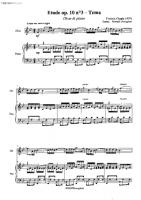
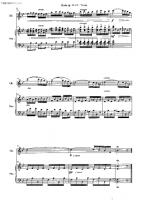
Sally DeFord
Sally DeFord Musical artist Born: 1959 (age 60 years), Eugene, Oregon, United States
Record labels: Defordmusic, Defordmusic.com, Sally DeFord Music, Sally DeFord
Genres: Alt Contemporary Christian, Christian/Gospel
Albums: He Is My Song, MORE
Record labels: Defordmusic, Defordmusic.com, Sally DeFord Music, Sally DeFord
Genres: Alt Contemporary Christian, Christian/Gospel
Albums: He Is My Song, MORE



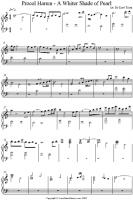
Procol Harem
Procol Harum are an English rock band formed in 1967. Their best-known recording is the 1967 hit single "A Whiter Shade of Pale", one of the few singles to have sold over 10 million copies.
Tchaikovsky
Pyotr Il'yich Tchaikovsky (May 7 1840 â November 6 1893) was a Russian composer of the Romantic era. While not part of the nationalistic music group known as "The Five", Tchaikovsky wrote music which, in the opinion of Harold Schonberg, was distinctly Russian: plangent, introspective, with modally-inflected melody and harmony.
Aesthetically, Tchaikovsky remained open to all aspects of Saint Petersburg musical life. He was impressed by Serov and Balakirev as well as the classical values upheld by the conservatory. Both the progressive and conservative camps in Russian music at the time attempted to win him over. Tchaikovsky charted his compositional course between these two factions, retaining his individuality as a composer as well as his Russian identity. In this he was influenced by the ideals of his teacher Nikolai Rubinstein and Nikolai's brother Anton.
Tchaikovsky's musical cosmopolitanism led him to be favored by many Russian music-lovers over the "Russian" harmonies and styles of Mussorgsky, Borodin and Rimsky-Korsakov.
Nonetheless he frequently adapted Russian traditional melodies and dance forms in his music, which enhanced his success in his home country. The success in St. Petersburg at the premiere of his Third Orchestral Suite may have been due in large part to his concluding the work with a polonaise. He also used a polonaise for the final movement of his Third Symphony.
Aesthetically, Tchaikovsky remained open to all aspects of Saint Petersburg musical life. He was impressed by Serov and Balakirev as well as the classical values upheld by the conservatory. Both the progressive and conservative camps in Russian music at the time attempted to win him over. Tchaikovsky charted his compositional course between these two factions, retaining his individuality as a composer as well as his Russian identity. In this he was influenced by the ideals of his teacher Nikolai Rubinstein and Nikolai's brother Anton.
Tchaikovsky's musical cosmopolitanism led him to be favored by many Russian music-lovers over the "Russian" harmonies and styles of Mussorgsky, Borodin and Rimsky-Korsakov.
Nonetheless he frequently adapted Russian traditional melodies and dance forms in his music, which enhanced his success in his home country. The success in St. Petersburg at the premiere of his Third Orchestral Suite may have been due in large part to his concluding the work with a polonaise. He also used a polonaise for the final movement of his Third Symphony.


Vu duc sao bien
Vu Duc Sao Bien (February 12, 1947 – May 6, 2020) was a Vietnamese musician, writer, journalist and teacher. When writing trivia, he used the pseudonyms Do Bi, Dinh Ba, and Mac Dai.

David Riordan
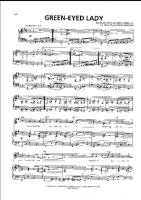
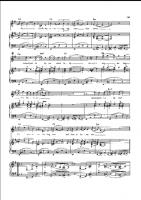
David Riordan is an interactive media executive, producer and designer, a documentary television producer and a professional songwriter. He co-wrote the number-one hit "Green-Eyed Lady" for the band Sugarloaf in 1970, and released his first solo album in 1974 called Medicine Wheel.
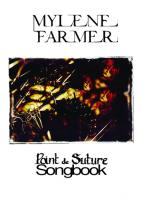
Mylene Farmer
Mylène Jeanne Gautier, known professionally as Mylène Farmer, is a French singer, songwriter, occasional actress, writer, and entrepreneur. She was born in Pierrefonds, Quebec, to a French family, and brought up in France.




Muse
Muse are a British rock band formed in Teignmouth, Devon, United Kingdom in 1994 under the alias of Rocket Baby Dolls. The band comprises Matthew Bellamy (vocals, guitar and piano), Christopher Wolstenholme (bass guitar and backing vocals) and Dominic Howard (drums and percussion). Muse's style can be considered as a mixture of many musical genres, most notably alternative rock, classical music and electronica. Muse are known best for their energetic and visually dazzling live performances and on June 16th & 17th, 2007 became the first band to sell out the newly built Wembley Stadium in London. Muse have released four studio albums with their first, Showbiz, released in 1999, followed by Origin of Symmetry in 2001 and Absolution in 2003. The most recent, Black Holes & Revelations (2006), was also the most critically acclaimed, garnering the band a Mercury Prize nomination and a third place finish in the NME Albums of the Year list for 2006. Muse have won various awards throughout their career including 5 MTV Europe Music Awards, 5 Q Awards, 4 NME Awards and 2 Brit awards.
Clannad (film)
Clannad (Japanese: クラナド, Hepburn: Kuranado) is a 2007 Japanese anime fantasy-drama film directed by Osamu Dezaki and based on the visual novel of the same name developed by Key. Toei Animation announced at the Tokyo Anime Fair on March 23, 2006 that an animated film would be produced, and was released theatrically by Toei Company on September 15, 2007. The film is a reinterpretation of the Clannad storyline which centers on the story arc of the female lead Nagisa Furukawa. It was the final film directed by Dezaki before his death in April 2011.



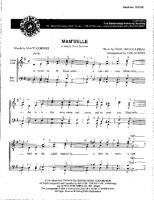
Vocal Spectrum
Vocal Spectrum is a barbershop quartet from St. Charles, Missouri. In 2004, Vocal Spectrum won the Barbershop Harmony Society's International Collegiate Quartet Contest, and on July 8, 2006, they became International Champions, winning the society's International Quartet Contest. A distinctive factor of the quartet is tenor Tim Waurick's ability to sustain notes for upwards of 30 seconds, and the tenor's and lead's incredibly high note range, featured in many of the group's recordings and live shows.
Toots Thielemans
Jean-Baptiste Frédéric Isidor, Baron Thielemans (29 April 1922 – 22 August 2016), known professionally as Toots Thielemans, was a Belgian jazz musician. He was known for his harmonica playing, as well as his guitar, whistling skills, and composing. According to jazz historian Ted Gioia, his most important contribution was in "championing the humble harmonica", which Thielemans made into a "legitimate voice in jazz". He eventually became the "preeminent" jazz harmonica player.


Julius Fučík
Julius Ernest Wilhelm Fučík (Czech: ; 18 July 1872 – 25 September 1916) was a Czech composer and conductor of military bands. He became a prolific composer, with over 400 marches, polkas, and waltzes to his name. As most of his work were for military bands, he is sometimes known as the "Bohemian Sousa".Today his marches are still played as patriotic music in the Czech Republic. His worldwide reputation rests primarily on two works: "The Florentiner March", popular throughout much of Europe, and the "Entrance of the Gladiators" (Vjezd gladiátorů), which is widely recognized, often under the title "Thunder and Blazes", as one of the most popular theme tunes for circus clowns.


Bryan Adams
Bryan Adams (born Bryan Guy Adams on November 5, 1959) is Grammy Award-winning Canadian singer-songwriter. As of 2008, Adams has released eleven studio albums and 16 albums overall. He has been nominated for 3 Academy Awards and 5 Golden Globes for song writing in motion pictures.
Adams is a Grammy Award-winning Canadian singer-songwriter. Adams' career was launched with his 1980 debut album Bryan Adams, a rock album that garned limited success. His fourth album Reckless was released in 1984 with sales more then five million copies sold in the United States. In 1991, he released Waking Up the Neighbours which debuted at number one on several national music charts. The album reached sales of more than 10 million units worldwide, which 3 million copies was sold in the United States.
Adams is a Grammy Award-winning Canadian singer-songwriter. Adams' career was launched with his 1980 debut album Bryan Adams, a rock album that garned limited success. His fourth album Reckless was released in 1984 with sales more then five million copies sold in the United States. In 1991, he released Waking Up the Neighbours which debuted at number one on several national music charts. The album reached sales of more than 10 million units worldwide, which 3 million copies was sold in the United States.
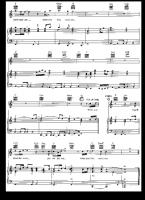
Shania Twain
Shania Twain OC (born Eilleen Regina Edwards, August 28, 1965) is a Canadian singer and songwriter in the country and pop music genres. Her third album Come on Over is the best-selling album of all time by a female musician, and the best-selling album in the history of country music. She is the only female musician to have three albums certified Diamond by the Recording Industry Association of America, and is also the second best selling artist in Canada, behind Céline Dion, with three of her studio albums being certified double diamond by the Canadian Recording Industry Association. Twain has achieved both critical and financial success, having received five Grammy awards, 27 BMI Songwriter awards, and sold over 65 million albums worldwide to date including 48 million in the US alone.
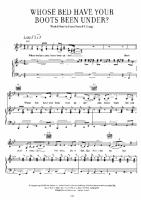
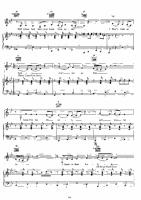
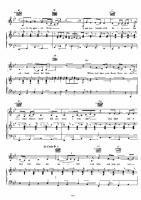
Czerny
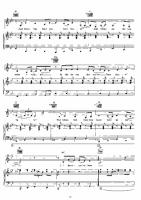
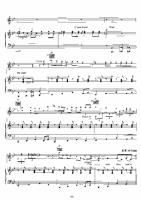
Carl Czerny (sometimes Karl; February 21, 1791 – July 15, 1857) was an Austrian pianist, composer and teacher. He is best remembered today for his books of études for the piano. Czerny knew and was influenced by the well-known pianists Muzio Clementi and Johann Nepomuk Hummel.


Frederick Delius
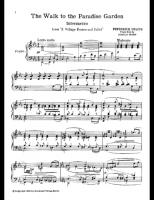
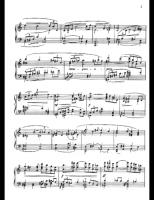
Frederick Theodore Albert Delius CH, originally Fritz Delius, was an English composer. Born in Bradford in the north of England to a prosperous mercantile family, he resisted attempts to recruit him to commerce. He was sent to Florida in the United States in 1884 to manage an orange plantation.
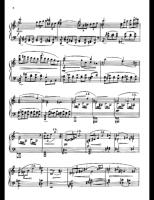
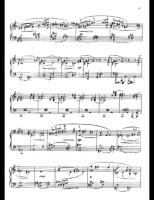
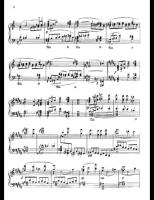
Thomas Moore
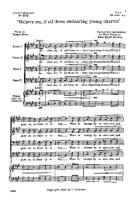
Thomas Moore (28 May 1779 – 25 February 1852) was an Irish writer, poet, and lyricist celebrated for his Irish Melodies. Their setting of English-language verse to old Irish tunes marked the transition in popular Irish culture from Irish to English. Politically, Moore was recognised in England as a press, or "squib", writer for the aristocratic Whigs; in Ireland he was accounted a Catholic patriot. Married to a Protestant actress and hailed as "Anacreon Moore" after the classical Greek composer of drinking songs and erotic verse, Moore did not profess religious piety
Kuroshitsuji
As of late, Kuroshitsuji is essentially the poster-boy for thinly-veiled fangirl bait. Kuroshitsuji (or Black Butler, whatever floats your boat) has tons of ...
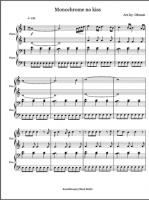
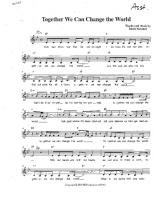
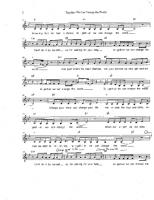
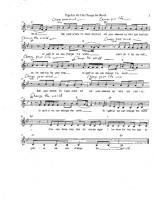
Mark Shepard
Mark Shepard is an award winning singer / songwriter whose song “Together We Can Change the World” has literally been played and sung around the world.
Klaus Badelt
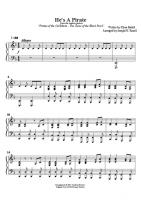
Klaus Badelt (born 1968) is a German composer, best known for composing film scores.
Badelt was born in Frankfurt, Germany. He started his musical career composing for many successful movies and commercials in his homeland. In 1998, Oscar-winning film composer Hans Zimmer invited Badelt to work at Media Ventures in Santa Monica, his studio co-owned by Jay Rifkin. Since then, Badelt has been working on a number of his own film and television projects such as The Time Machine and K-19: The Widowmaker. He has also collaborated with other Media Ventures composers, such as Harry Gregson-Williams, John Powell, and Zimmer.
While collaborating with Zimmer, Badelt has contributed to the Oscar-nominated scores for The Thin Red Line and The Prince of Egypt, as well as writing music for many well known directors including Ridley Scott, Tony Scott, Terrence Mallick, John Woo, Kathryn Bigelow, Jeffrey Katzenberg, Tom Cruise, Sean Penn, Gore Verbinski, and Steven Spielberg.
Badelt co-produced the score to Hollywood box office hit Gladiator, directed by Ridley Scott, as well as writing portions of the score with singer/composer Lisa Gerrard. Having contributed music to Gladiator, Mission: Impossible 2 and Michael Kamen's score for X-Men, Badelt was involved in the three most successful movies in 2000. Badelt also collaborated with Zimmer on other successful films, such as The Pledge, and 2001 blockbusters Hannibal and Pearl Harbor. One of his more famous - and more popular - scores is the score to the 2003 film Pirates of the Caribbean: The Curse of the Black Pearl.
Among Badelt's most critically celebrated scores are the Chinese fantasy film The Promise and Dreamworks' remake of The Time Machine, the latter which earned him the Discovery of the Year Award at the World Soundtrack Awards 2003.
Badelt was born in Frankfurt, Germany. He started his musical career composing for many successful movies and commercials in his homeland. In 1998, Oscar-winning film composer Hans Zimmer invited Badelt to work at Media Ventures in Santa Monica, his studio co-owned by Jay Rifkin. Since then, Badelt has been working on a number of his own film and television projects such as The Time Machine and K-19: The Widowmaker. He has also collaborated with other Media Ventures composers, such as Harry Gregson-Williams, John Powell, and Zimmer.
While collaborating with Zimmer, Badelt has contributed to the Oscar-nominated scores for The Thin Red Line and The Prince of Egypt, as well as writing music for many well known directors including Ridley Scott, Tony Scott, Terrence Mallick, John Woo, Kathryn Bigelow, Jeffrey Katzenberg, Tom Cruise, Sean Penn, Gore Verbinski, and Steven Spielberg.
Badelt co-produced the score to Hollywood box office hit Gladiator, directed by Ridley Scott, as well as writing portions of the score with singer/composer Lisa Gerrard. Having contributed music to Gladiator, Mission: Impossible 2 and Michael Kamen's score for X-Men, Badelt was involved in the three most successful movies in 2000. Badelt also collaborated with Zimmer on other successful films, such as The Pledge, and 2001 blockbusters Hannibal and Pearl Harbor. One of his more famous - and more popular - scores is the score to the 2003 film Pirates of the Caribbean: The Curse of the Black Pearl.
Among Badelt's most critically celebrated scores are the Chinese fantasy film The Promise and Dreamworks' remake of The Time Machine, the latter which earned him the Discovery of the Year Award at the World Soundtrack Awards 2003.
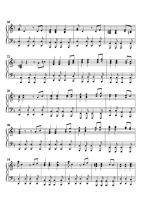
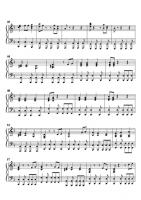
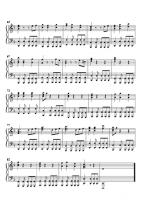
Kamen Rider Black RX
Kamen Rider Black RX is a Japanese tokusatsu superhero television series produced as part of the Kamen Rider series.



Search for Free Sheet Music
You can make a search through the entire collection of sheets.
You can make a search through the entire collection of sheets.
Hi, fellow musicians!
There is no registration required to download the sheets but you can subscribe to our mailing list to get notified of new sheets.
There is no registration required to download the sheets but you can subscribe to our mailing list to get notified of new sheets.
Latest Artists
Walter Donaldson
× 1
W. Wiegand × 1
Johann Pachelbel × 2
Sailor Moon × 2
Charlie Hall × 1
Giovanni Battista Pergolesi × 1
Igor Stravinsky × 1
Andy Williams × 2
Harry Connick Jr. × 1
Milow × 1
Jo Privat × 1
Jazz for Seniors × 1
Joachim Andersen × 1
Ella Fitzgerald × 2
Leon Russell × 1
Frida Situmorang × 1
Yasuroni Mitsuda × 1
SYLVAIN GUINET × 1
Kristin Chenoweth × 1
Ah Doe × 1
Silvain Guinnet × 1
Nightwish × 1
Jan Akkerman × 1
King's Singers × 1
Darren Aronofsky × 1
Lenny Kravitz × 1
Prince × 2
Nikolai Rimsky-Korsakov × 1
Ronan Hardiman × 1
Arlene Schwartzkopf × 1
james william elliott × 1
Ann Sweeten × 1
Traditional × 67
John Cage × 2
Jack Johnson × 1
Rick Founds × 1
John Bogenshutz × 1
Bedrich Smetana × 1
Robert Schumann × 4
Handel × 3
The Supremes × 1
Queen × 4
Super Mario × 1
Pixinguinha × 2
Luigi Denza × 1
Irene Cara × 1
Vivaldi × 4
Green Day × 1
William M. Golden × 1
Joseph M. LaCalle × 1
W. Wiegand × 1
Johann Pachelbel × 2
Sailor Moon × 2
Charlie Hall × 1
Giovanni Battista Pergolesi × 1
Igor Stravinsky × 1
Andy Williams × 2
Harry Connick Jr. × 1
Milow × 1
Jo Privat × 1
Jazz for Seniors × 1
Joachim Andersen × 1
Ella Fitzgerald × 2
Leon Russell × 1
Frida Situmorang × 1
Yasuroni Mitsuda × 1
SYLVAIN GUINET × 1
Kristin Chenoweth × 1
Ah Doe × 1
Silvain Guinnet × 1
Nightwish × 1
Jan Akkerman × 1
King's Singers × 1
Darren Aronofsky × 1
Lenny Kravitz × 1
Prince × 2
Nikolai Rimsky-Korsakov × 1
Ronan Hardiman × 1
Arlene Schwartzkopf × 1
james william elliott × 1
Ann Sweeten × 1
Traditional × 67
John Cage × 2
Jack Johnson × 1
Rick Founds × 1
John Bogenshutz × 1
Bedrich Smetana × 1
Robert Schumann × 4
Handel × 3
The Supremes × 1
Queen × 4
Super Mario × 1
Pixinguinha × 2
Luigi Denza × 1
Irene Cara × 1
Vivaldi × 4
Green Day × 1
William M. Golden × 1
Joseph M. LaCalle × 1